Promozione Musicale
30+ Best Music Platforms for Artists in 2026

Nadav Peleg
Aggiornato · 20 min di lettura
Want to find out what are the best music platforms for artists like you? This page got you covered in everything you need to discover.


On this page
- Streaming Platforms - Reach & Exposure
- An Overview of Top Streaming Platforms
- Distribution Services - Getting Your Music into Stores & DSPs
- Marketing & Analytics Platforms - Know Your Audience, Plan Your Strategy
- Social Media & Content Platforms - Building Fanbase & Viral Growth
- Choosing the Right Music Platform Platforms for Your Goals - A Decision Guide for Artists
- Common Mistakes & How to Avoid Them
- Conclusion & Next Steps
In 2024, music surpassed 4.8 trillion global streams, putting independent artists in direct competition with major labels.
With that level of access, choosing the right platforms can make or break a release.
But “music platform” means more than streaming services. It includes distribution, marketing, analytics, and social platforms, each serving a different purpose.
This guide breaks those categories down so you can choose tools based on your goal, whether that’s reach, revenue, fan growth, or data that actually helps you improve. Ready? Let's see!
Streaming Platforms - Reach & Exposure
Selecting the right streaming platform isn’t just about uploading your tracks, it’s about matching your music with the audience, tools, and ecosystem that can help it grow.
This is incredibly important, and the numbers clearly show why:
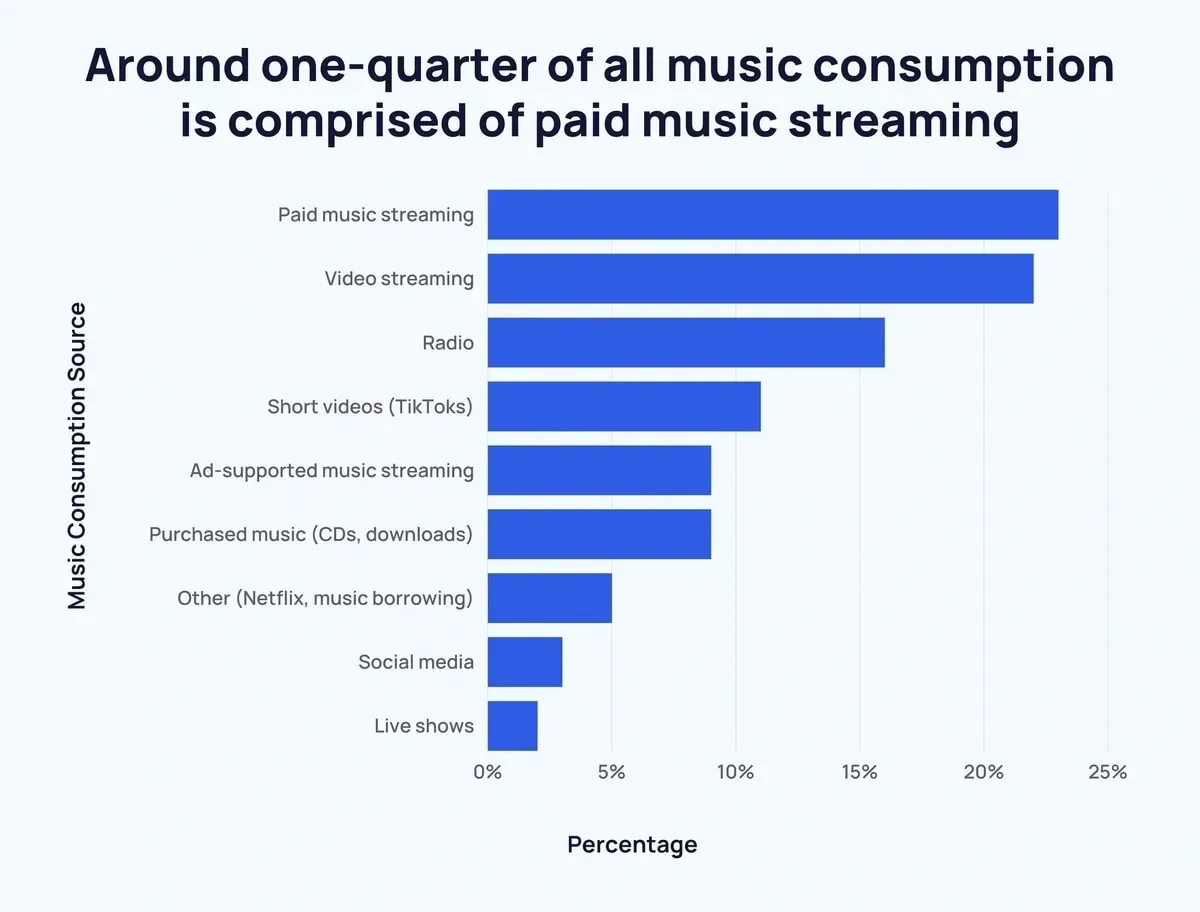
Here are the key factors every artist should consider when choosing a streaming platform:
|
Factor |
What to Look For |
|---|---|
|
User base |
Size of the audience and whether their demographics match your target fans |
|
Genre fit |
Strong niche communities, editorial support, and algorithms that favor your genre |
|
Payout rates |
How much the platform pays per stream and any bonus earning opportunities |
|
Playlisting access |
Availability of editorial submissions and effective algorithmic discovery |
|
Geographic reach |
Regions where the platform is most popular and aligned with your listener base |
Overall, evaluating these factors helps you prioritize platforms not just by popularity, but by how well they support your genre, audience, and income goals.
An Overview of Top Streaming Platforms
Spotify
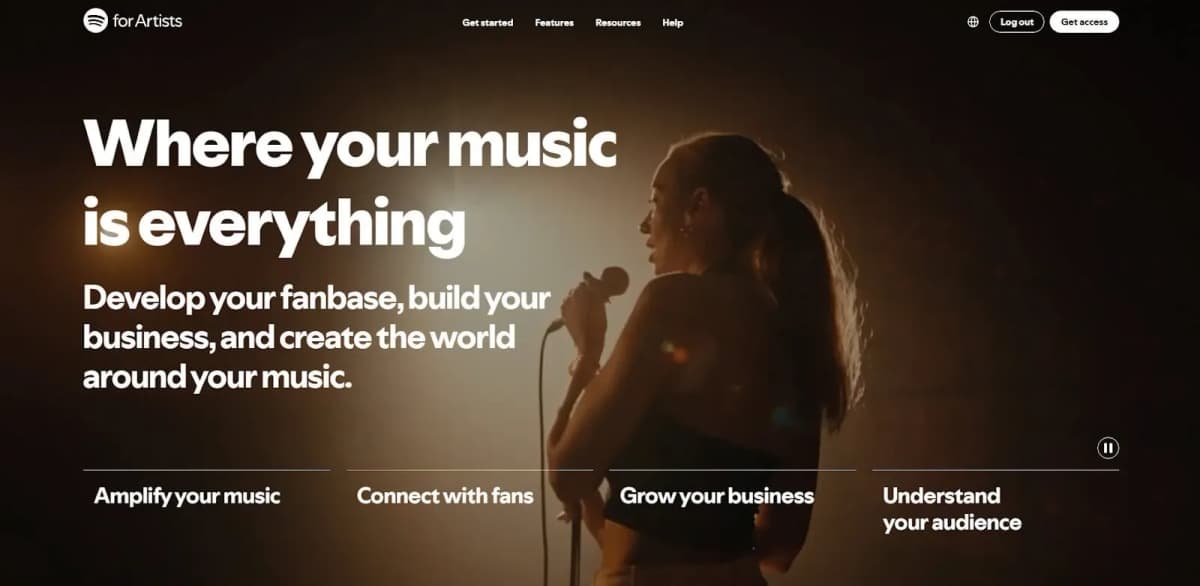
Spotify is the world’s largest music-streaming platform, with around 696 million monthly users, including 280 million Premium subscribers.
Through Spotify for Artists, you can pitch one unreleased track for editorial playlists and access detailed analytics on listeners, regions, and playlist sources. This helps grow streams, reach new fans, and improve algorithmic visibility.
Spotify pays royalties to distributors or labels, averaging $0.003-$0.005 per stream. Because earnings per track are low, you will benefit most from consistent releases, strong promotion, and a growing catalog.
Pros
- Huge worldwide audience for discovery
- Helpful playlist-pitching and analytics tools
- Easy distribution and low barrier to entry
- Strong potential for algorithmic growth
Cons
- Low per-stream payouts
- Playlist placements are competitive
- The platform is crowded with millions of tracks
- Streaming alone rarely provides a stable income
Spotify is a strong discovery platform, but success depends on consistency, data-driven choices, and music that fits listener habits and playlists. Short, consistent releases often build momentum better than infrequent drops.
Artists who release regularly, target global audiences, and focus on playlist-friendly genres like pop, hip-hop, EDM, R&B, or mood-based music tend to perform best.
Apple Music
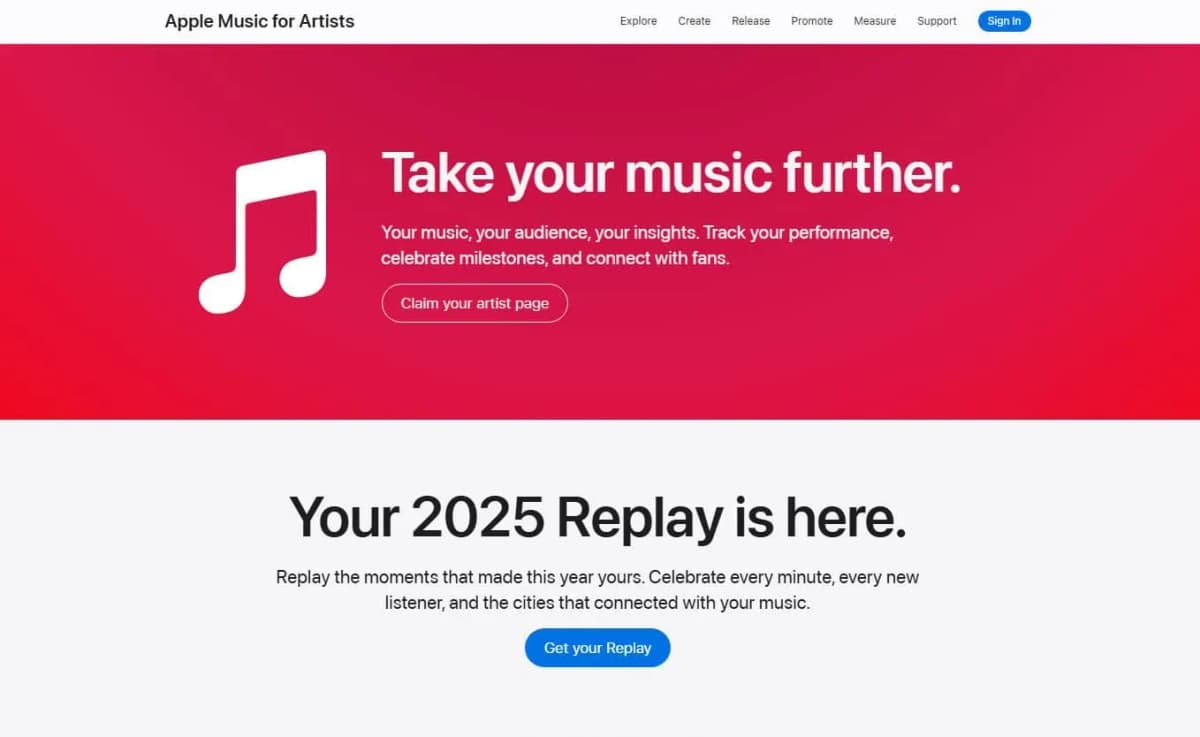
Apple Music is a premium, subscription-only platform with an estimated 93 million paying users subscribers in 2024, though the number could be higher now.
For creators, Apple Music offers you high-quality audio, including lossless and Spatial Audio, and strong editorial curation. While it lacks a formal pitch tool, its playlists and Apple ecosystem integration provide good exposure for artists.
Royalties are higher than many platforms, averaging around $0.01 per stream, with payouts more stable due to the lack of a free tier.
Pros
- Higher per-stream payout than many platforms
- All listeners are paying subscribers
- Strong editorial curation and audio quality
Cons
- Smaller user base than Spotify
- Discovery tools are less algorithm-driven
- Requires solid, consistent listening to earn meaningfully
Apple Music suits artists with polished production, loyal audiences, and genres like pop, R&B, jazz, singer-songwriter, classical, and ambient.
Its higher per-stream earnings and premium listening environment make it ideal for targeting committed, paying listeners.
Amazon Music
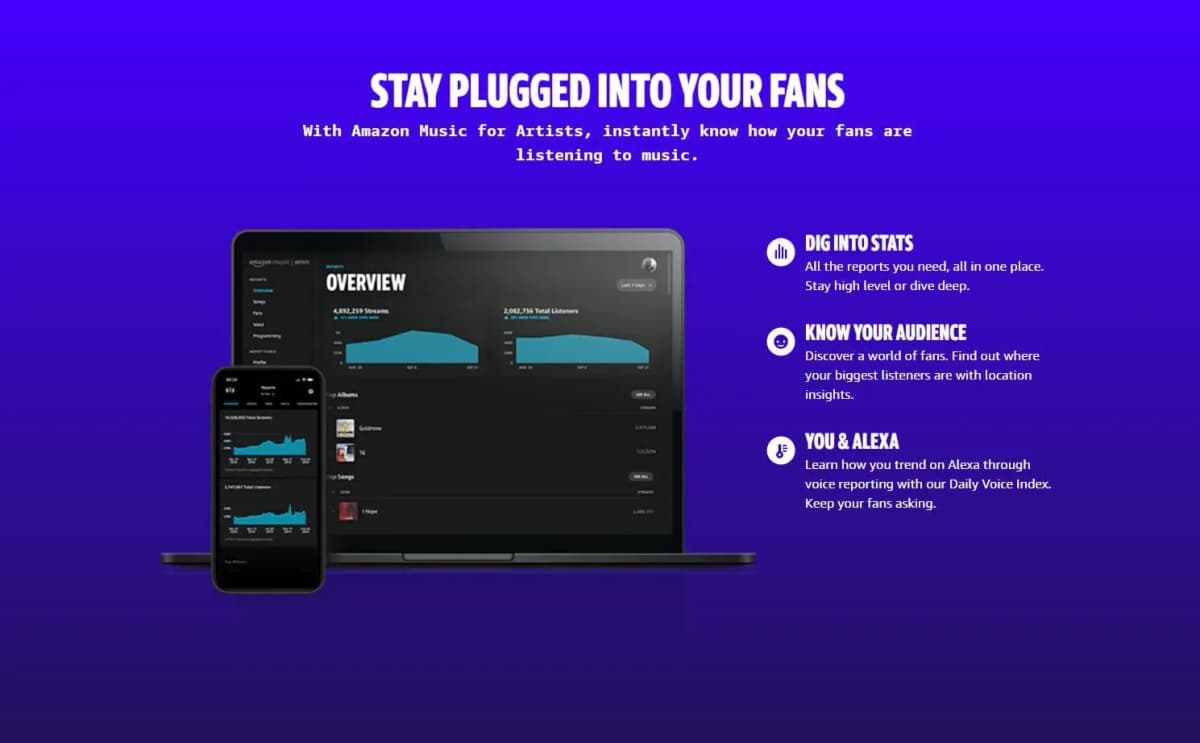
Amazon Music is integrated with Prime and Alexa devices, offering steady visibility through algorithmic stations and mood playlists. Estimates suggest it has about 80 million users, mainly Prime households and smart-speaker owners, making it ideal for catalog-friendly genres.
Payouts range from $0.004–$0.007 per stream. Artists can submit via Amazon Music for Artists, though playlisting relies on genre and mood discovery.
Analytics provide real-time streams, fan insights, Alexa metrics, and device/location data, helping artists understand how listeners find their music at home.
Pros
- Strong exposure through smart speakers and Amazon’s Prime ecosystem
- Generally higher average payouts than some competitors
- Unique Alexa voice trend insights for audience analysis
Cons
- Less culturally influential than Spotify or TikTok-driven platforms
- Playlist pitching is less transparent and more algorithm-reliant
- Not as strong among younger or trend-focused audiences
Artists in acoustic, jazz, pop, singer-songwriter, lo-fi, worship, instrumental, and other background-friendly genres.
On Amazon Music, steady single releases, catalog expansion, and music that fits mood-based listening in households and workplaces works best.
YouTube Music
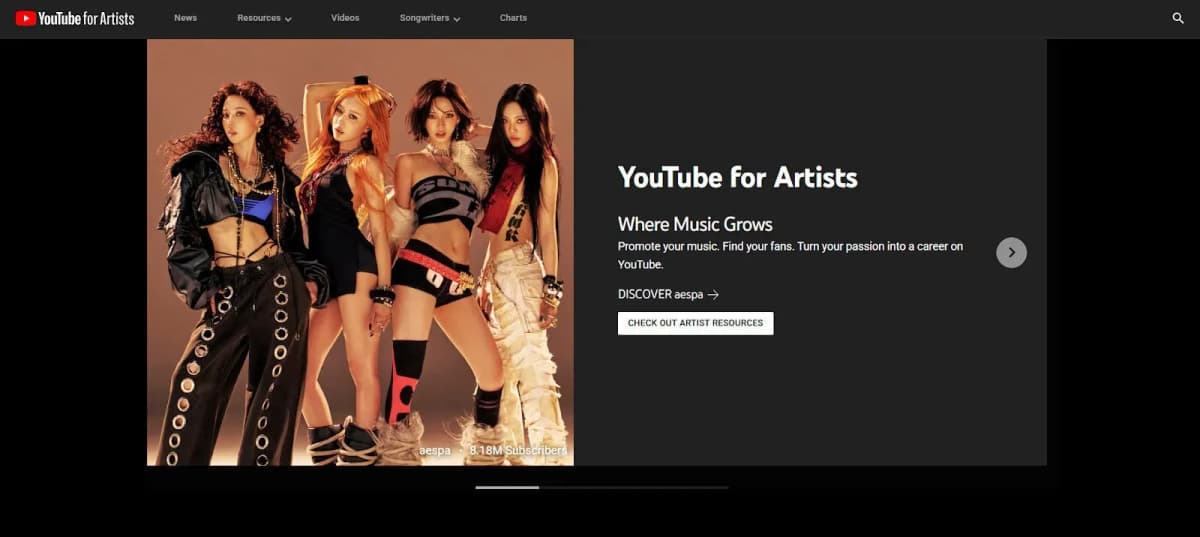
YouTube Music leverages YouTube’s massive platform for discovery, letting users find music through videos, Shorts, UGC uploads, and official audio releases. It has over 165 million subscribers globally, with strong reach in Asia, Latin America, and emerging markets.
Payouts average around $0.002–$0.003 per stream, though revenue can increase via video views and Content ID monetization. Playlist exposure is mostly algorithm-driven, including Discover Mix, New Release Mix, and mood playlists.
You can track performance with YouTube Studio analytics, including demographics, watch time, geography, traffic sources, and Shorts engagement.
Pros
- Massive global reach and strong algorithmic discovery
- Income from videos + audio (multiple monetization channels)
- Excellent analytics via YouTube Studio
Cons
- Lower average per-stream payout
- Playlist pitching is not as straightforward as Spotify or Apple Music
- High competition due to the size of the platform
YouTube Music is ideal for artists in pop, hip-hop, EDM, indie, K-pop, Filipino music, Latin genres, or any style with strong visual or viral appeal. The platform performs best with frequent singles, music videos, Shorts, and a consistent release schedule.
TIDAL
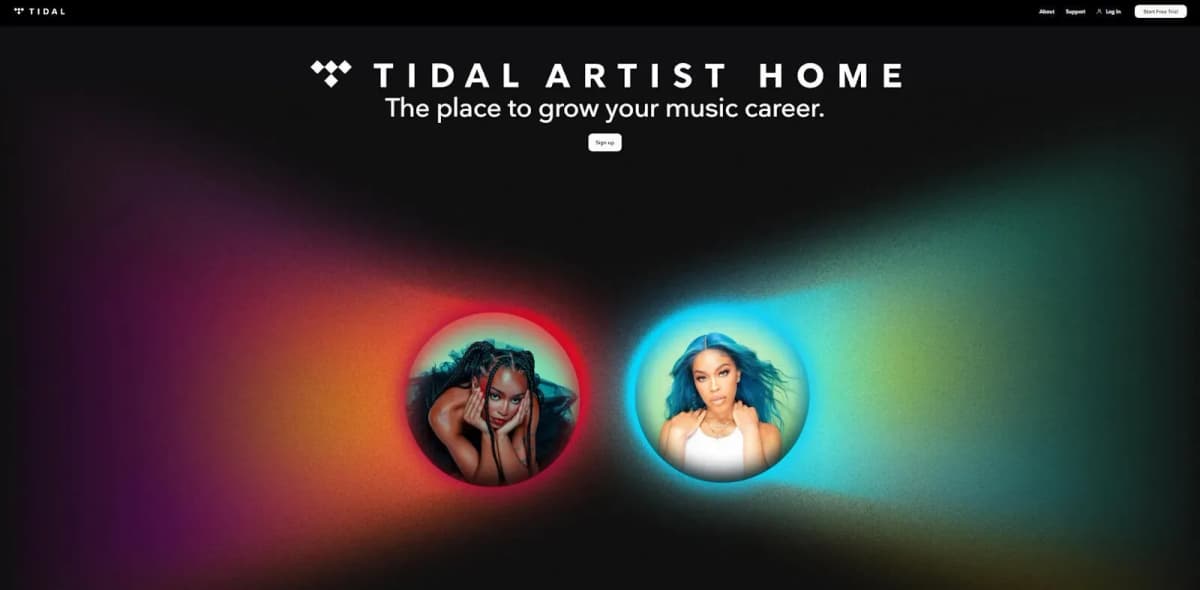
TIDAL is a premium streaming service known for high-fidelity audio, editorial curation, and album-focused listening. It attracts a niche audience of audiophiles and dedicated fans, especially in hip-hop, R&B, electronic, and jazz, with an estimated 5-6 million users.
Payouts are higher than average, around $0.008–$0.013 per stream. You can use TIDAL Artist Home to manage profiles, highlight tracks, and pitch for curated playlists.
Analytics provide stream tracking, audience demographics, playlist sources, and album engagement insights.
Pros
- Higher-than-average payout estimates
- Strong editorial culture and audiophile audience
- Ideal for album-driven artists and high-quality audio releases
Cons
- Much smaller user base than Spotify or Apple Music
- Limited algorithmic discovery features
- Less effective for viral or fast-paced release strategies
TIDAL works for artists in hip-hop, R&B, electronic, jazz, soul, or any genre where albums, sound quality, and dedicated fanbases are important. Success on the platform comes from consistent, high-quality releases and clear branding.
Deezer
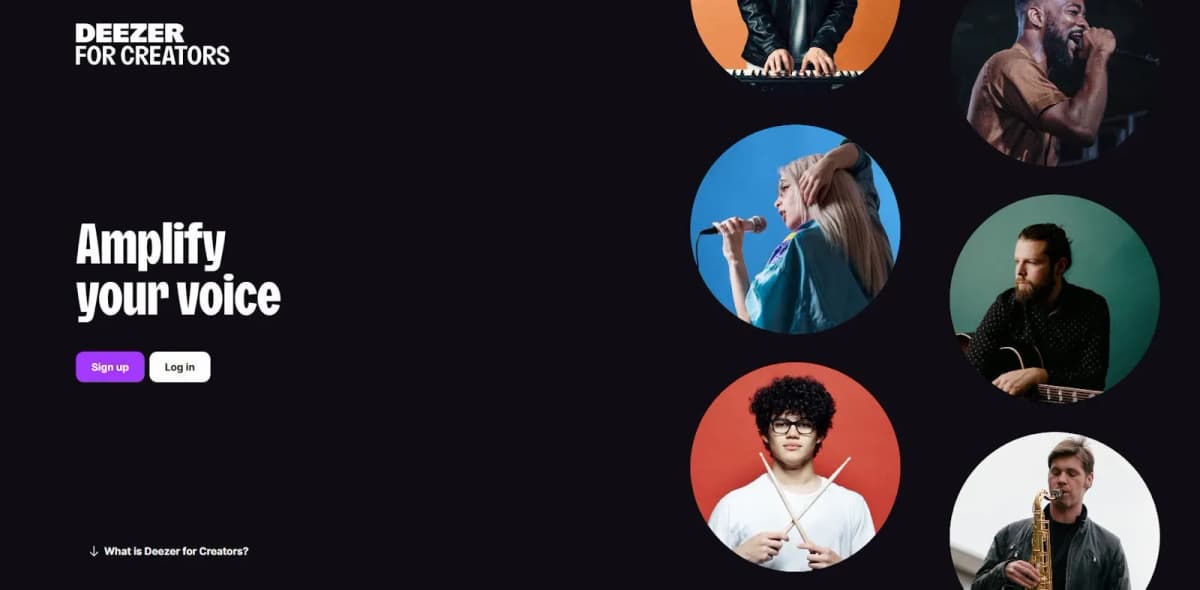
Deezer is a global streaming service known for its wide catalog, personalization features, and Flow algorithm. It offers both free and premium tiers, giving artists multiple ways to reach listeners.
As of Q1 2025, Deezer had a 9.4 million total subscriber base with a strong presence in Europe, Latin America, and parts of Africa. Payouts average $0.003–$0.005 per stream.
You can use Deezer for Creators to track streams, audience demographics, and playlist adds, though playlist placement relies on curation and algorithmic recommendations.
Pros
- Global presence with strong reach in Europe and Latin America
- Flow and algorithmic mixes help listeners discover music
- Free tier allows for casual listener discovery
Cons
- Smaller user base compared with Spotify or Apple Music
- Limited transparency for playlist pitching
- Earnings per stream remain modest, requiring volume for meaningful revenue
Artists in pop, electronic, R&B, indie, world music, or niche genres with a global audience. On Deezer, consistent releases, playlist-friendly singles, and engagement strategies that leverage both free and premium listeners guarantee success.
TikTok
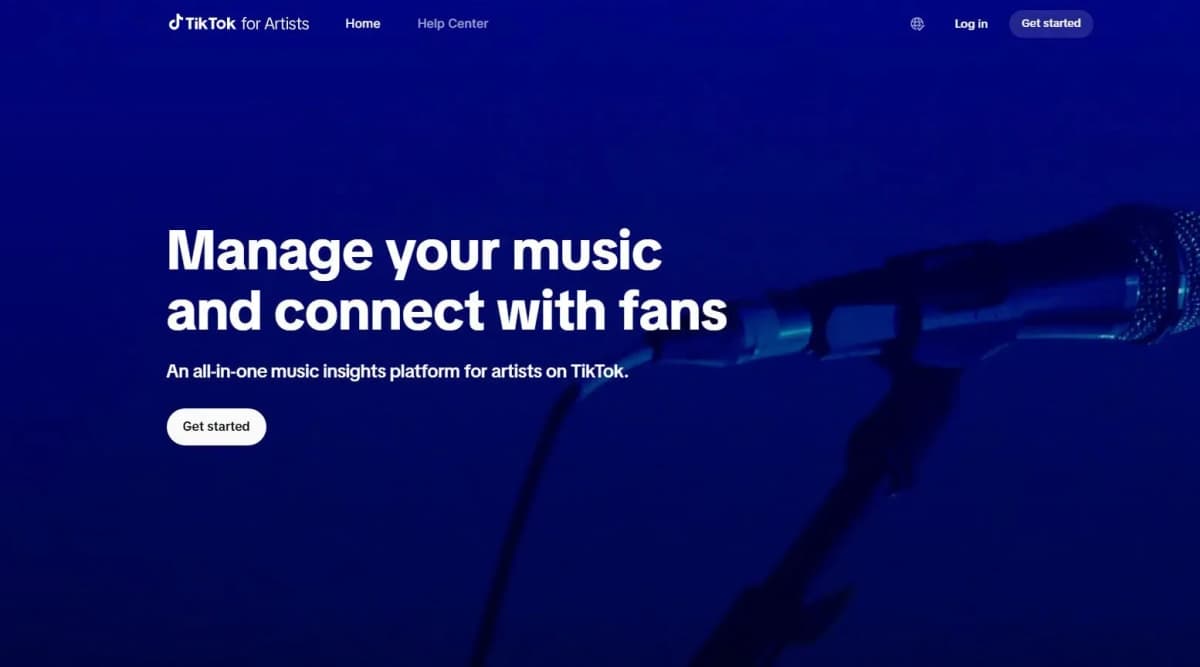
TikTok is a major music discovery platform with over 1.59 billion monthly users, especially popular with younger audiences. You can gain visibility through short-form videos and tools like TikTok for Artists, which provides analytics and audience insights.
TikTok also operates SoundOn, a distribution service that lets independent artists upload their songs directly to the platform and earn royalties across supported channels.
Instead of per-stream payouts, TikTok’s value comes from exposure, driving streams, views, followers, and chart success. Many viral hits start on TikTok before reaching other platforms.
Pros
- Massive global reach and high user engagement
- Strong discovery potential through trends and short clips
- Artist tools (TikTok for Artists, SoundOn) for analytics and distribution
- Ideal platform for independent artists to build momentum quickly
Cons
- Earnings from the platform itself are inconsistent
- Content moves fast, making virality unpredictable
- Heavy competition and constant trend shifts
- Requires frequent posting and strong visual creativity
TikTok favors catchy hooks, strong visuals, and trend-friendly music, with pop, hip-hop, EDM, lo-fi, and mood tracks performing best. Frequent short-form content and snippets boost visibility.
TikTok is a powerful launchpad for viral reach and directing listeners to full songs, but works best as part of a broader release strategy.
Instagram is one of the top platforms for music promotion and fan engagement, with around 2 billion active users and over 500 million daily active users. Its mix of posts, Reels, Stories, and Live features makes it ideal for you to connect directly with fans and promote new music.
Stories and Music Stickers help tease releases or provide updates, while Live sessions let artists perform or interact in real time. Regular feed posts keep your profile active and provide lasting visuals that showcase your music or brand.
Instagram also provides analytics to help artists see what content resonates, when followers are active, and how fans engage, giving actionable insights for growth and strategy.
Pros
- Huge global reach and diverse user base
- Multiple formats (Reels, Stories, Live, feed posts) for promotion
- Great for building personal connections with fans
- Supports independent artists without a label
- Flexible promotion for ongoing engagement
Cons
- Highly competitive; quality and consistency are essential
- Success often depends on visuals and social media savvy
- Engagement can vary and be unpredictable
- Not a direct streaming or payout platform
- Requires consistent content creation and fan interaction
Instagram rewards artists who combine music with visuals, tell stories, post consistently, and engage fans. Pop, indie, lo-fi, acoustic, and visually creative genres perform best. Using Reels, Stories, and Lives can grow a loyal audience and drive listeners to full releases.
While it doesn’t generate direct revenue, Instagram boosts discoverability, fan engagement, and funnels traffic to other platforms, merchandise, or shows.
Anghami
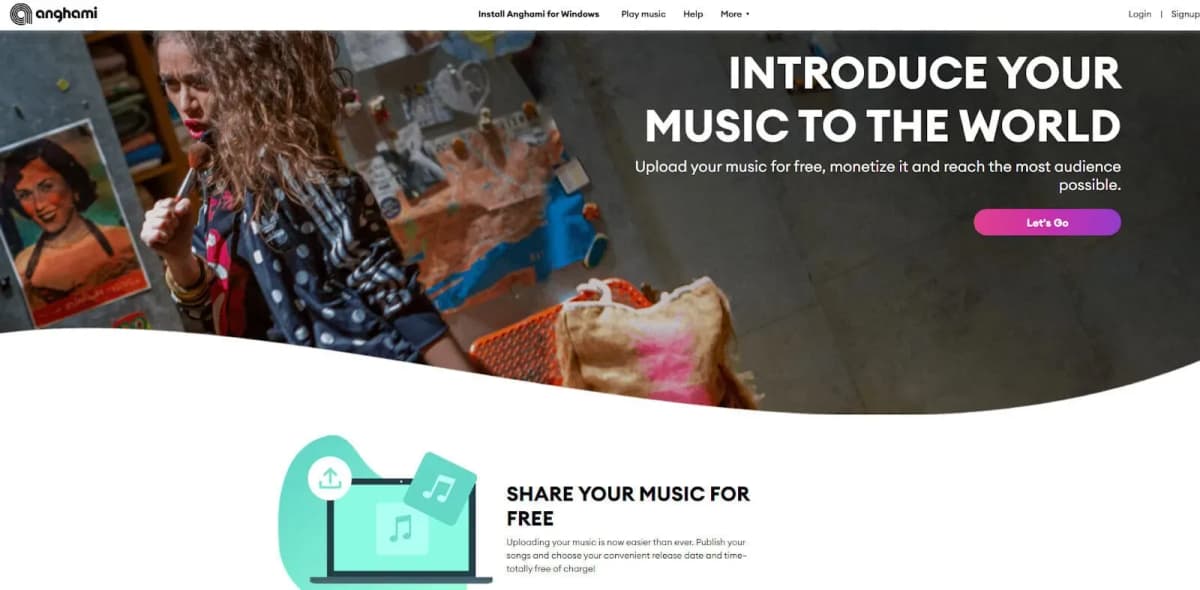
Anghami is the leading music-streaming platform in the Middle East and North Africa (MENA), with a user base exceeding 120 million registered users and 2.5 million paid subscribers. It focuses on Arabic and regional music, making it a key platform for artists targeting local audiences.
You can use Anghami for Creators to upload music, pitch tracks to curated playlists, and boost visibility through the platform’s “Amplify” program. Anghami also supports audio, video, and live-radio content, offering multiple ways for artists to connect with fans.
Pros
- Strong regional reach in MENA markets
- Support for Arabic and international music
- Flexible content types: audio, video, and live radio
- Accessible for independent or emerging artists without label backing
Cons
- Smaller paying user base compared to global streaming giants
- Payout depends on total streams relative to the platform’s catalog
- Limited reach for non-MENA or global-focused music
- Modest per-stream revenue; high volume needed for meaningful earnings
While not a global platform, Anghami is essential for building a local fanbase and monetizing music for Arabic-language or regional artists targeting MENA audiences. Pop, Arabic R&B, traditional-fusion, and world-fusion perform well and consistent releases and using playlists or “Amplify” can grow visibility.
Beatport
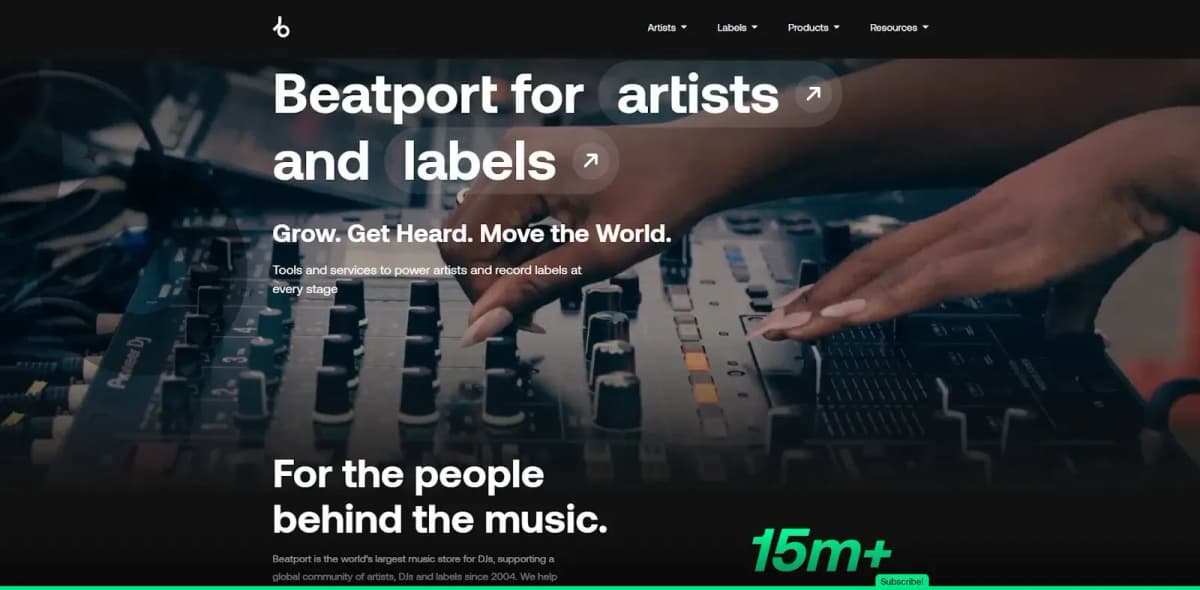
Beatport is a niche music platform focused on electronic, dance, and club music, serving DJs, producers, and fans of the EDM scene. It combines downloads, streaming, and DJ-focused features, making it a central hub for tracks used in clubs, festivals, and live DJ sets.
You can upload music via labels or distributors to the Beatport store, making them available for DJs to buy, download, and stream. Beatport emphasizes metadata like BPM, key, and genre tags, which help DJs discover music suited for their sets and remixes.
Pros
- Tailored to DJs and the electronic/dance community
- Higher per-stream payout than many mainstream platforms
- Revenue from downloads and streaming, not just streaming
- Metadata-rich tracks help DJs find and play music in clubs/festivals
- Strong network effect: tracks on Beatport often reach DJs who influence wider audiences
Cons
- Niche platform, less suitable for non-electronic music
- Smaller audience compared to global streaming services
- Success depends on DJ acceptance and track suitability for club/EDM contexts
- Casual listeners are less common; the platform is focused on performance and professional use
Beatport is ideal for EDM, house, techno, trance, and other dance genres. It’s perfect for artists targeting DJs, remixers, and club-goers, especially with DJ-ready tracks.
Independent artists and small labels can earn from downloads and streaming while gaining exposure in electronic music communities.
Pandora
Pandora is a U.S.-based music-streaming and internet radio platform, with around 42 million monthly active users. Its strength lies in personalized radio stations powered by the Music Genome Project, which recommends songs based on listener preferences rather than requiring users to search or curate playlists.
You can submit your music through distributors, earning royalties via SoundExchange at about $0.0013 per ad-supported stream. While payouts are modest, Pandora provides exposure to U.S. listeners who prefer passive, radio-style music discovery.
Pros
- Algorithmic “radio” helps listeners discover new artists
- Steady exposure to casual and older listeners who enjoy passive listening
- Works for independent artists via distributors
- Can generate consistent long-tail streams over time
Cons
- Smaller user base compared with global platforms
- Low per-stream revenue, especially for ad-supported listeners
- Passive listening may not convert into fan engagement or follows
- Limited control over placement; the algorithm dictates exposure
Pandora works well for radio-friendly genres like pop, soft rock, and easy listening. It favors catalog-driven, broad-appeal songs over niche or experimental music.
Ideal for U.S.-focused artists, it provides steady algorithmic exposure and works best alongside on-demand streaming and social media promotion.
SoundCloud
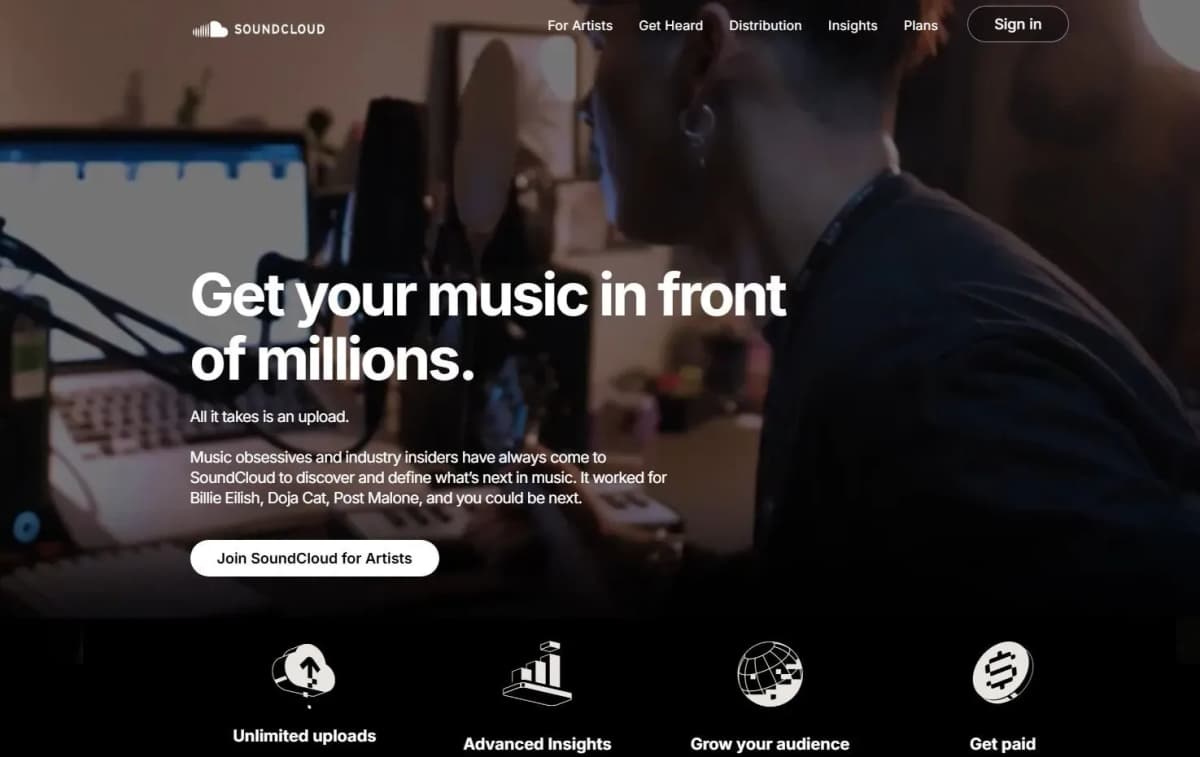
SoundCloud is one of the largest music-sharing and streaming platforms in the world with 400+ million tracks from 40+ million artists across 193 countries. While exact monthly active user metrics are not published, the platform is known for supporting independent and emerging artists.
It offers both free and paid subscriptions through SoundCloud Go and SoundCloud Pro, allowing artists to upload music directly, share tracks instantly, and build an audience without a label.
SoundCloud also provides analytics tools that track plays, likes, reposts, listener locations, and engagement trends, helping artists understand their audience and optimize releases.
Pros
- Supports independent, emerging, and experimental artists
- Instant uploads, no label required
- Fairer fan-powered royalties for smaller creators
- Strong sharing and community-driven discovery
- Detailed analytics for better promotion and audience targeting
Cons
- Smaller mainstream audience than Spotify or TikTok
- Monetization requires eligibility for SoundCloud Premier
- Viral success is unpredictable because of such a crowd
- Less focus on curated playlists and algorithmic promotion
SoundCloud is ideal for independent and emerging artists, especially in niche genres, remixes, electronic music, or underground hip-hop. It offers fast publishing, creative flexibility, and community-driven discovery, making it great for building a dedicated fanbase.
With 100% royalties and strong audience engagement, it works best alongside other streaming and social platforms.
Distribution Services - Getting Your Music into Stores & DSPs
A music distribution service delivers your tracks to streaming platforms, digital stores, and sometimes physical retailers while tracking and paying your royalties.
How it works:
- Digital Distribution: Uploads your music to services like Spotify, Apple Music, and YouTube Music, handling file delivery, quality, and release schedules.
- Royalties & Payments: Collects earnings from all platforms and often provides dashboards showing streams, revenue, and country breakdowns.
- Collaborator Splits: Automatically divides royalties with producers, writers, or featured artists.
- Licensing & Rights: Supports ISRC/UPC assignment, copyright registration, and proper rights management.
- Metadata Management: Ensures titles, credits, artwork, and tags are correct for searchability, playlisting, and royalty accuracy.
- Sync & Physical Distribution: Some distributors offer sync opportunities for TV, film, and ads, or distribute physical formats like CDs and vinyl.
Leading distribution services: Editor's Pick
|
Service |
Fee Model |
Royalty Split |
Upload Limits |
Special Features |
|---|---|---|---|---|
|
DistroKid |
Annual flat fee |
100% royalties |
Unlimited |
Optional splits with collaborators, fast uploads, YouTube/Instagram integration |
|
TuneCore |
Per-release fee |
100% royalties |
Unlimited |
Transparent royalties, wide DSP reach, publishing administration |
|
CD Baby |
Per-release fee + 9% digital sales |
91% royalties |
Per release |
Physical + digital distribution, sync licensing, marketing tools |
|
Amuse |
Free / Pro subscription |
100% royalties |
Unlimited |
Budget-friendly, fast payouts, basic distribution to major platforms |
|
Symphonic Distribution |
Custom / annual plans |
Custom |
Unlimited |
Global DSP access, marketing services, sync licensing, video distribution |
|
AWAL |
Revenue share model |
80–85% royalties |
Limited by approval |
Artist services, marketing, sync licensing, global DSPs |
|
LANDR |
Subscription-based |
100% royalties |
Unlimited |
Mastering included, distribution to all major DSPs, marketing tools |
|
UnitedMasters |
Free / subscription |
85–90% royalties |
Unlimited |
Brand partnerships, sync licensing, analytics dashboard |
|
Beatport |
Per-release / curated |
~85–90% |
Unlimited |
Electronic-focused charts, DJ network exposure, playlisting |
|
SoundCloud |
Free / Pro |
55–100% |
Free tier limited |
Social discovery, monetization, direct fan engagement |
For more on these platforms and others, I suggest you should check these music distribution services that SoundCampaign internally tested out.
Pro Tip: You should weigh factors like marketing support, royalties splits, sync licensing, and video distribution when choosing the right partner.
Marketing & Analytics Platforms - Know Your Audience, Plan Your Strategy
In 2026, data and marketing tools are essential for artists looking to grow their reach. Platforms that track streams, playlist placements, radio/airplay, social engagement, and audience demographics allow musicians to pitch effectively, plan releases, and maximize growth.
Top Marketing & Analytics Tools
|
Platform |
Data & Features |
Cost / Free Tier |
Best For |
|---|---|---|---|
|
SoundCampaign |
Playlist pitching, influencer connections, campaign tracking, playlist placement insights |
Campaigns start at $80 |
Indie artists looking to get tracks on targeted playlists and track campaign performance |
|
Soundcharts |
Streaming stats, playlist tracking, radio/airplay, social metrics, global audience insights |
Paid plans from $10-$129/month |
Indie artists, label-signed acts, DJs looking for detailed performance data |
|
ReverbNation |
Community exposure, marketing campaigns, EPKs, fan engagement, playlist submission |
Free tier + paid tools (~$11–$17/month) |
Unsigned artists, emerging regional acts, indie bands |
|
Chartmetric |
Streaming & playlist analytics, social media trends, influencer tracking |
Paid plans from $10-$150/month |
Artists & managers needing cross-platform insights and playlist strategy |
|
Spotify for Artists |
Listener demographics, playlist impact, real-time stream counts |
Free |
All Spotify artists, especially singles-driven acts |
|
Apple Music for Artists |
Plays, listener location, engagement metrics, Shazam integration |
Free |
Apple Music-focused artists, audiophile genres, international audience planning |
These platforms allow artists to measure performance, identify growth opportunities, and refine release strategies.
Indie musicians can maximize exposure, DJs can track playlist trends, and regional acts can plan targeted campaigns for specific markets.
Social Media & Content Platforms - Building Fanbase & Viral Growth
Social media and content platforms boost visibility, virality, and fan connections, helping artists convert listeners into loyal supporters while driving playlist placements, pre-saves, and engagement across platforms.
Some of the top platforms for music discovery are:
|
Platform |
Audience |
Content That Works |
Integration Tips |
|---|---|---|---|
|
TikTok |
Gen Z & young Millennials |
Short-form videos, trends, challenges, behind-the-scenes clips |
Link tracks to streaming services, use trending sounds, and encourage fan UGC to boost virality |
|
|
18–35, lifestyle & music fans |
Short-form video, Stories, Reels, visual teasers, live sessions |
Pre-save links in bio, collaborate with micro-influencers, highlight playlist features |
|
YouTube |
Broad global audience |
Official videos, lyric videos, Shorts, behind-the-scenes, live streams |
Release audio + video simultaneously, drive views to YouTube Music, embed in social posts |
|
|
Older Millennials & Gen X |
Posts, events, live sessions, community groups |
Promote releases, connect fan communities, cross-link streaming platforms |
|
WeChat, Douyin, LINE, KakaoTalk |
Asia & local markets |
Short videos, local meme formats, messaging campaigns |
Tailor content to regional trends, link to local streaming platforms (e.g., QQ Music, Melon) |
|
BeReal / Threads / emerging platforms |
Gen Z, early adopters |
Authentic behind-the-scenes posts |
Build direct fan engagement, tease releases, and combine with social ad campaigns |
Key Takeaways:
- Short-form, visually engaging content dominates growth and virality
- Combining social posting with streaming links boosts pre-saves and playlist additions
- Regional platforms matter as targeting local markets can complement global campaigns
- Engaging directly with fans through live streams, comments, and UGC encourages loyalty and repeat listens
Choosing the Right Music Platform Platforms for Your Goals - A Decision Guide for Artists
Start Here → What type of artist are you right now?
1. “I’m just starting out and building my first audience.”
Goal: Learn the market, release quickly, and test what works.
Choose:
- Distributor: DistroKid or Amuse (simple, affordable, fast release)
- DSP Focus: Spotify, Apple Music, YouTube Music
- Socials: TikTok, Instagram Reels, YouTube Shorts
Low-cost setup, fastest way to see what listeners react to.
Track early data with SoundCampaign, Spotify for Artists, YouTube Analytics, and Soundcharts (free tier).
2. “I already have some listeners and want to grow consistently.”
Goal: More professional rollout, better analytics, and steady release rhythm.
Choose:
- Distributor: DistroKid, TuneCore, or UnitedMasters (depending on release frequency)
- DSP Strategy: Multi-platform (Spotify + Apple Music + YouTube Music) for reach
- Social Strategy: Regular short-form video + community platforms (TikTok, YouTube, Instagram)
Also, optimize profiles, experiment with monthly/bi-monthly releases, build a follower, and a listener funnel. This way you get more control over branding, metadata, and fan analytics.
3. “I’m an established artist who needs full control and professional tools.”
Goal: Editorial pitching, better royalties, customizable release timelines.
Choose:
- Distributor: TuneCore, Symphonic, CD Baby Pro, or Repost by SoundCloud
- Add-ons: Publishing admin, sync pitching, and marketing services such as SoundCampaign
These platforms prioritize rights management, detailed reporting, and industry-level support.
Plan quarterly or campaign-based releases; integrate ads, PR, playlist pitching, and influencer campaigns.
4. “I’m a DJ, electronic producer, or niche-genre artist.”
Goal: Reach highly specific audiences and communities.
Choose:
- DSPs: Beatport, Traxsource, Audiomack, SoundCloud, etc.
- Community: YouTube, Discord, Reddit, and genre-specific forums
Electronic/niche scenes thrive on community curation and specialized marketplaces.
Release frequently (singles, edits, remixes), collaborate, and maintain a strong presence on platforms where DJs discover new tracks.
5. “I’m focused on a specific region (Asia, LATAM, EU, etc.).”
Goal: Maximize local relevance and regional discovery.
Choose:
- Asia: JioSaavn, KKBOX, Line Music, YouTube
- LATAM: Spotify, Deezer, YouTube
- EU: Spotify, Deezer, YouTube Music
Regional DSP penetration varies, choosing strong local platforms boosts reach.
Follow local content formats (K-pop shorts, LATAM dance trends, EU remixes) and use region-specific creators.
Key Questions to Clarify Your Platform Strategy
- Budget: How much can you invest in distribution, marketing, and analytics?
- Release Frequency: Are you dropping singles weekly, monthly, or albums quarterly?
- Target Geography: Which countries or regions are your primary audience?
- Desired Revenue: Are you prioritizing per-stream earnings, licensing, or long-term growth?
- Promotional Resources: Do you have time, team, or budget for social media campaigns and playlist pitching?
- Fan Engagement Strategy: Are you focused on casual listeners, hardcore fans, or community building?
Common Mistakes & How to Avoid Them
- Overloading on platforms without strategy: Focus on the platforms where your audience is active; expand gradually as needed.
- Ignoring royalty's vs reach trade-offs: Balance high-paying streams with audience reach and define whether growth or revenue is the priority.
- Treating social media and streaming the same: Use social for visibility and fan engagement; use streaming for long-term listening and playlist placement.
- Not planning a release strategy or marketing: Plan release schedules, pre-saves, cross-platform campaigns, and promotion before dropping music.
- Ignoring analytics and data: Track streams, playlist placements, and audience demographics using tools like SoundCampaign, Spotify for Artists, Soundcharts, or Chartmetric.
- Underestimating visual content: Invest in videos, Shorts, Reels, and visual assets to improve engagement and discoverability.
- Neglecting fan engagement: Respond to fans, host live sessions, and encourage user-generated content to build loyalty.
- Ignoring regional markets: Tailor strategy to local platforms and habits for targeted growth.
- Relying solely on singles: Release EPs or albums to build your brand, deepen fan relationships, and improve playlist placement.
- Failing to test & iterate: Experiment with platforms, content formats, and promotional tactics; analyze results and refine strategies.
Conclusion & Next Steps
Succeeding as an independent artist in 2026 requires strategy and using the right mix of distribution, streaming, marketing, and social platforms.
Each one plays a unique role in how your music is discovered, consumed, and shared.
No single tool will guarantee growth. But when you coordinate them around clear goals, real momentum is possible.
So, what’s your next move?
Start by auditing your current platforms, results, and gaps. Then set clear goals. It could be expanding streaming, increasing revenue, or growing fan engagement.
Build a roadmap that fits your resources and release plans.
The more intentional your setup, the easier it is to grow, track progress, and turn listeners into loyal fans.

Fondatore e CEO di SoundCampaign
Sono Nadav. Facevo musica prima di costruire tutto questo, ed è proprio da lì che nasce il mio interesse per il marketing. La parte che preferisco è quella analitica: da dove arrivano gli streaming, cosa si è mosso e cosa no. Ho fondato SoundCampaign per dare agli artisti un'esposizione davvero reale. Mi è costato molto più tempo e impegno di quanto avessi previsto, e questa parte non è cambiata molto.
Promuovi la tua musica
Posizionamenti reali in playlist, video TikTok e annunci Meta

Scelto da oltre 100.000 artisti ed etichette
Mai bot.
Caso reale
Come SoundCampaign ha messo Grant Knoche davanti a 460.587 ascoltatori con WOOHOO
Leggi la storia completa
Pronto a far ascoltare la tua musica?
Unisciti a migliaia di artisti indipendenti che usano SoundCampaign per raggiungere playlist reali, creator e fan, con feedback sincero a ogni passo.
- Mai bot
- Programma di tutela dell'artistaSe un curatore o un creator non recensisce il tuo brano, ti restituiamo il credito. Il tuo budget è sempre protetto.
- Mantieni il 100% delle tue royaltySiamo un servizio di promozione, non un'etichetta. Non prendiamo mai una percentuale sui tuoi stream o royalty.