Promoção Musical
How to Get on Spotify Release Radar (and Maximize its Impact)

Nadav Peleg
Atualizado · 10 min de leitura
Want to learn how to get on Spotify Release Radar to make sure you don't overspend on your coming releases? Read this to learn what really creates an impact.


What if I tell you your new song gets in front of your listeners without spending a dime on ads? That's what happens when you figure out how to get on Spotify Release Radar.
Sounds interesting? Alright, I’ve got this step-by-step guide to show you how you can get on Release Radar and convert those listeners into real fans.
Let's get started!
What is Release Radar?
An indie artist Tim Gent got over 39K new listeners from Release Radar in 3 months.
The magic behind the scenes is called Release Radar. Think of it as Spotify’s magic Friday drop.
Every week, Spotify builds a personalized playlist for their listeners. It features new tracks from artists you follow, songs by artists you have been spinning lately, and a few wildcards that Spotify’s algorithm predicts that you'll love next.
Here’s how it works:
- Each listener gets one new track per artist
- Your song can show up in their Release Radar for up to 4 weeks
- The faster people stream and replay your track, the more Spotify boosts it
You don’t have to pitch to get on Release Radar. But if you release more than one song at the same time and want to control which track goes there, you’ll need to pitch one of them.
For indie artists, this is a real advantage. You aren’t asking for playlist favors or hoping for a viral moment.
It’s the algorithm connecting your music to the fans who already care and to new listeners who are likely to enjoy it.
How the Release Radar Algorithm Works?
Spotify’s recommendation system, called BART, uses AI to blend songs listeners already like with new tracks they might enjoy.
According to Spotify, the Release Radar playlist generates more streams than any curated Spotify playlist. For many indie artists, this playlist drives most of their first-week Spotify streams.
When picking songs for Release Radar, this is what Spotify keeps in check:
- Followers: The more followers you have, the higher your chances of being featured.
- Streams: Spotify looks at how many people actually streams your tracks, not just follow you.
- Saves: When listeners add your songs to their libraries or playlists, it signals strong engagement.
- Activation timeframe: Make sure your distributor delivers the track to Spotify at least 7 days before your release date. This gives Spotify enough time to register it as a new song and include it in Release Radar during the first week.
To be honest, I'm not the only one who experienced this surge of week one streams. Some artists on Reddit pretty much have the same experience.
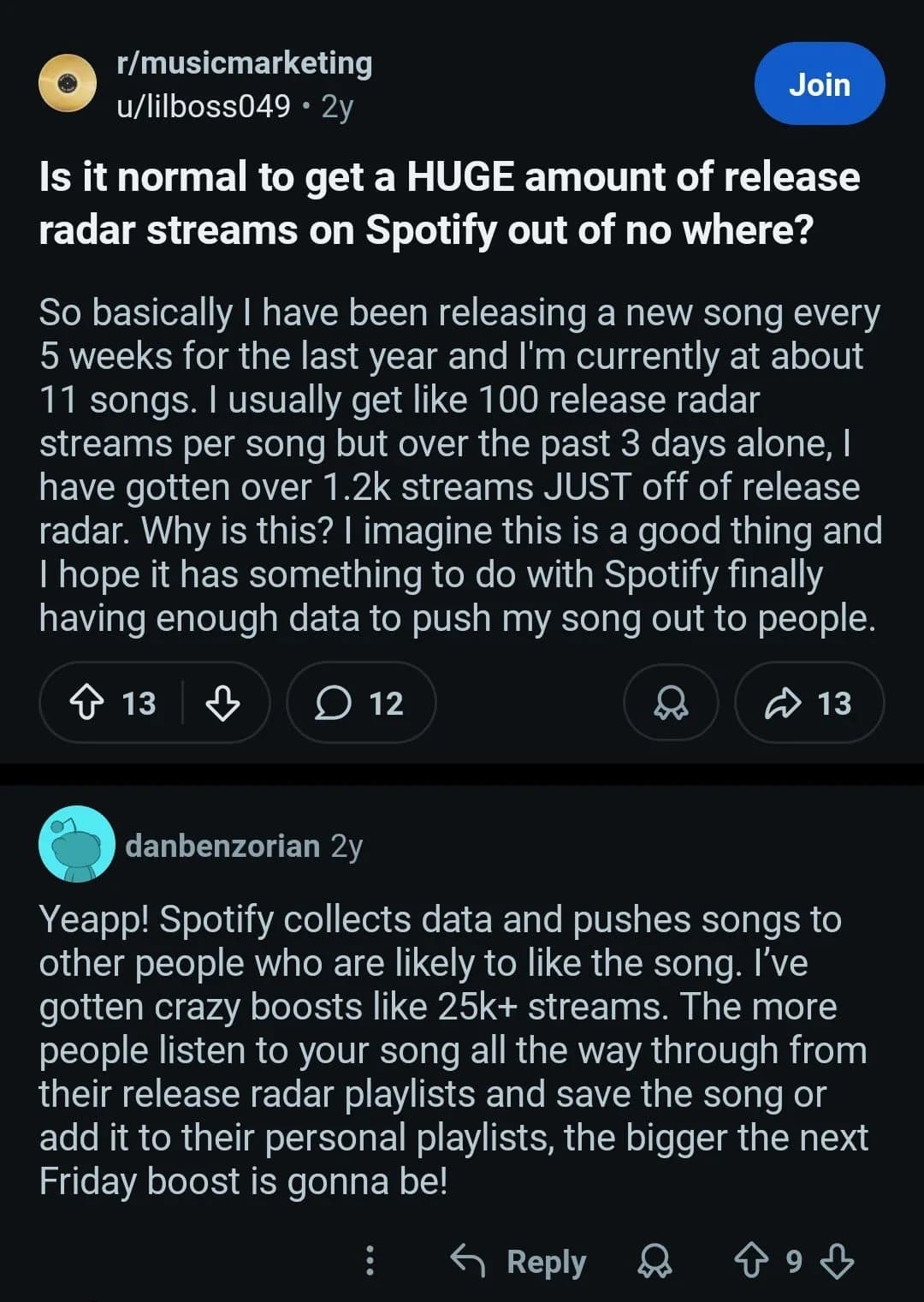
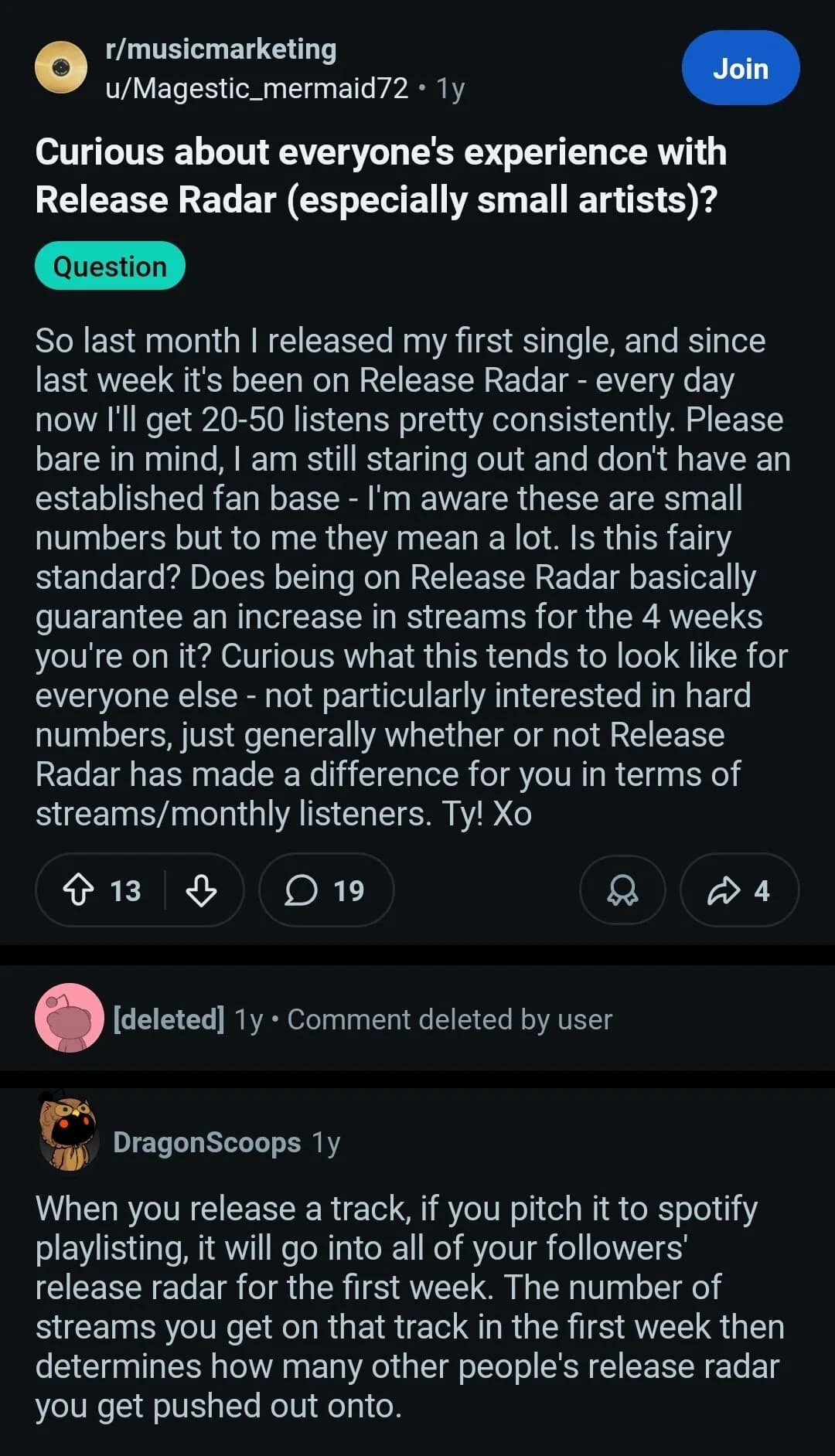
It takes about 2,500 streams and 250 saves in the first 1-3 weeks of a release to get an algorithmic push on Release Radar. Spotify never published these numbers publicly, but that's what artists and marketers talk about all the time.
Think of it as suggestion that worked for others. Nothing is set in stone here.
In fact, Andrew Southworth, a marketer in the music industry, ran a case study and learnt that you at least need a popularity index of 20 to hit Release Radar's algorithm push.
Pro Tip: It’s not just about numbers. Consistent engagement and quick listener activity matter most.
What You Must Do Before Release Day?
Set your release date early: Plan your drop at least 14 days ahead so Spotify has time to process it and get it in front of listeners. If you pitch only 24 hours before release, most of your followers won’t see your song until the next Friday, after the initial buzz has faded. That means fewer early streams.
Deliver everything correctly: Upload clean metadata, artwork, and masters. Make sure you don't have any typos, missing credits, etc. Spotify favors artists who handle the details with care.
Pick one song to pitch: If you’re releasing an EP or album, choose one lead track to pitch. Spotify only considers one song per artist per week, so focus on the strongest one.
Build the hype early: Use pre-saves, countdowns, and email reminders to warm up your audience before release day. A large share of listeners who pre-save will stream the song in the first week, which signals strong momentum to Spotify. As much as I know, Taylor Swift is the queen of pre-saves. You can see a lot of activity by her fans.
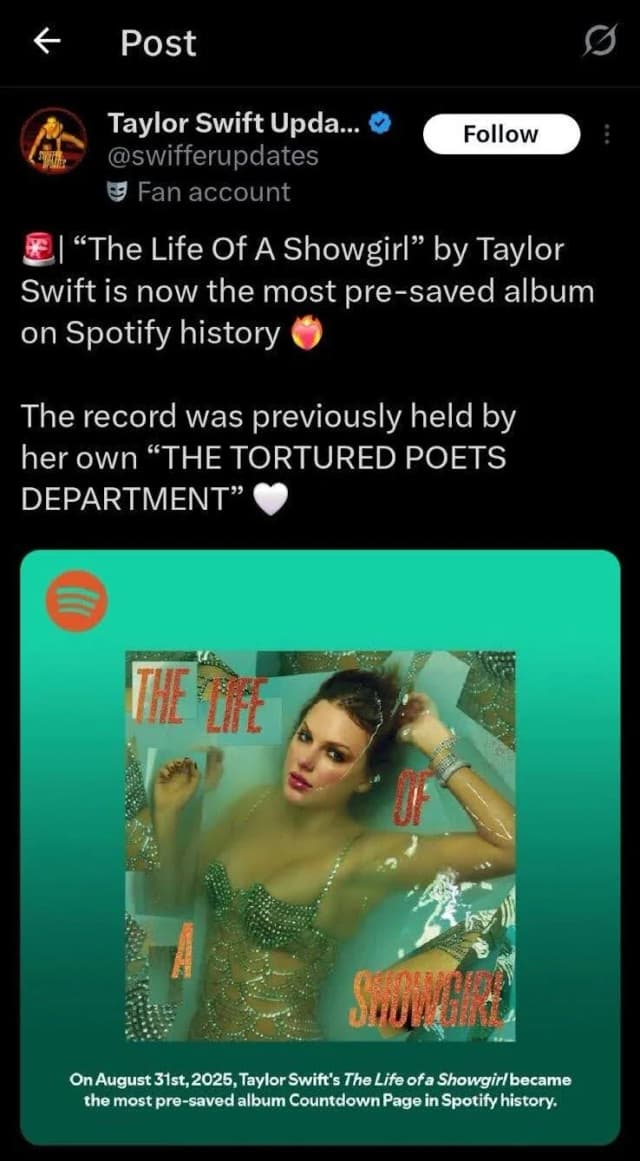
Use countdown pages: Set up a Spotify Countdown Page for pre-saves, Clips, and merch. Fans stay excited and get pinged the second your track drops.
Refresh your artist profile: New music = new vibes. Update your photo, bio, and Artist Pick. Add a quick note or selfie to make it personal.
Bring it to life: Share short behind-the-scenes clips under 30 seconds to double your pre-saves. Add a 3–8 second Canvas loop to boost saves and shares up to 4x.
Extra boost: Use Spotify Marquee or Showcase for extra reach and keep posting teasers until launch day.
Here's an effective release timeline you can follow:
|
Timeframe |
What to Do |
Why It Matters |
|---|---|---|
|
6–8 Weeks Before Release |
Choose your single or EP. Finalize mixing, mastering, and artwork. |
Gives you enough time to plan visuals, PR, and playlist strategy. |
|
4–6 Weeks Before Release |
Upload your track to your distributor. |
Ensures Spotify receives your song early for editorial playlist consideration. |
|
3–4 Weeks Before Release |
Create pre-save links and share them on socials. Start teasing snippets or cover art. |
Builds early engagement and fan anticipation. |
|
2 Weeks Before Release |
Submit your song to Spotify for Artists for playlist pitching. |
Increases your chances of landing on editorial or algorithmic playlists. |
|
1 Week Before Release |
Drop behind-the-scenes content, lyric hints, or countdown posts. |
Keeps fans excited and boosts algorithm signals before release day. |
|
Release Day |
Announce everywhere: socials, stories, email list. Encourage saves and shares. |
First 24–48 hours are crucial for algorithm visibility. |
|
1 Week After Release |
Share fan reactions, TikToks, lyric videos, and thank-you posts. |
Keeps momentum going and signals Spotify that your track is gaining traction. |
|
2–4 Weeks After Release |
Keep promoting through live sessions, remixes, or acoustic versions. |
Sustains streams and helps your song stay in playlists longer. |
How to Maximize Your Chances of Getting on Release Radar
Maximizing your chances to get on Spotify’s Release Radar is a fun challenge, and it starts long before your music drops.
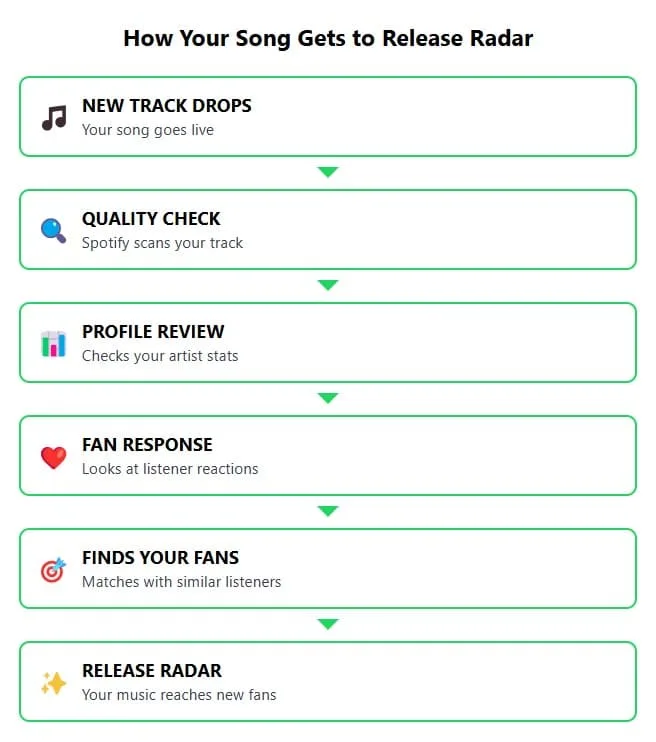
Here’s what works:
- Followers + engagement: Grow real Spotify followers and nudge them to save and share. After all, passive fans rarely move the needle. So, you gotta be serious on this one.
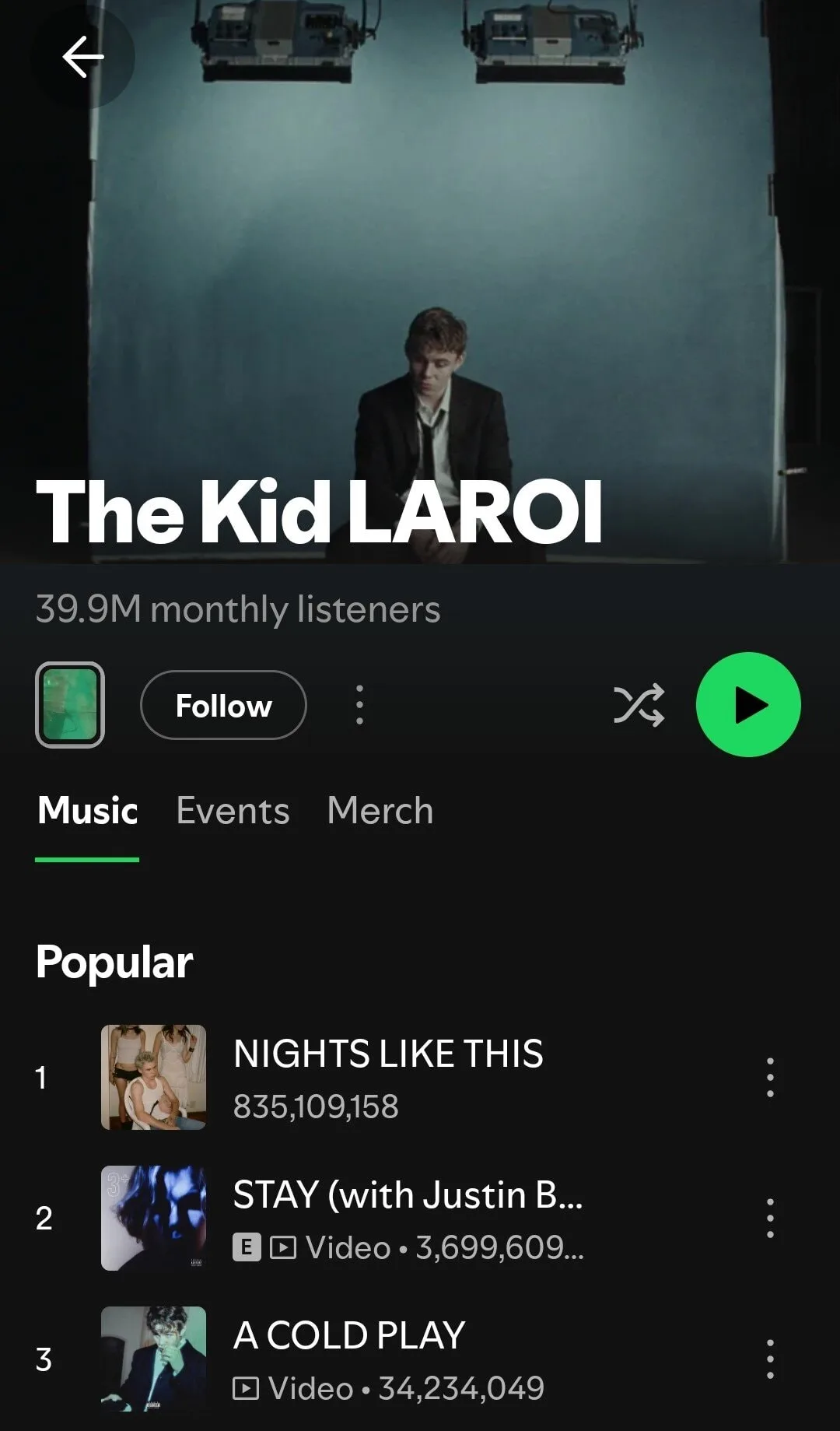
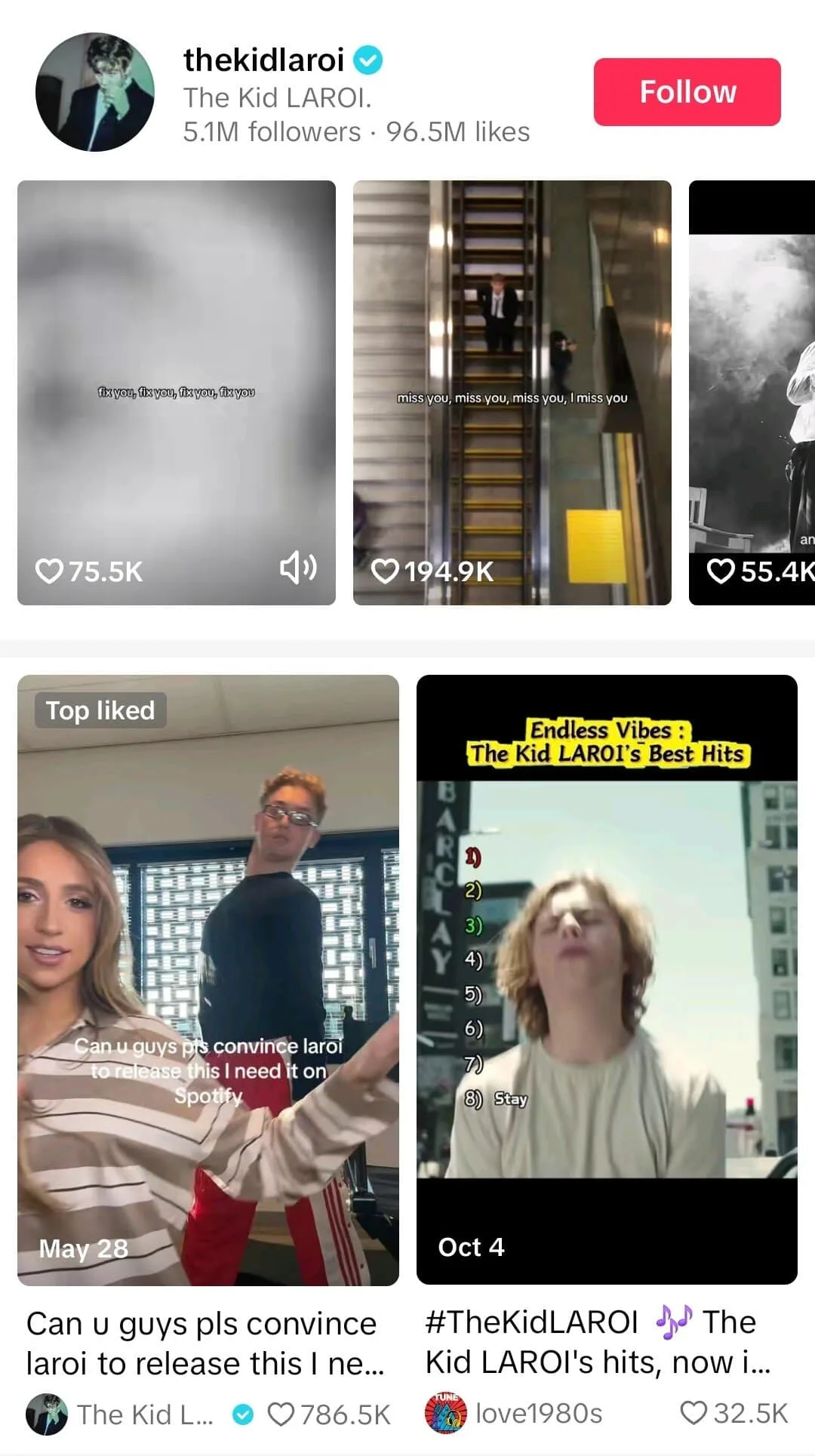
- Engage with your fans on social media: To stay connected, boost your reach, and keep the buzz alive. A great example is The Kid LAROI, who shot up Spotify’s charts through TikTok buzz and fast-growing followers. He kept fans hooked, driving shares and saves on every release, which earned him regular Release Radar spots and millions of first-week streams.
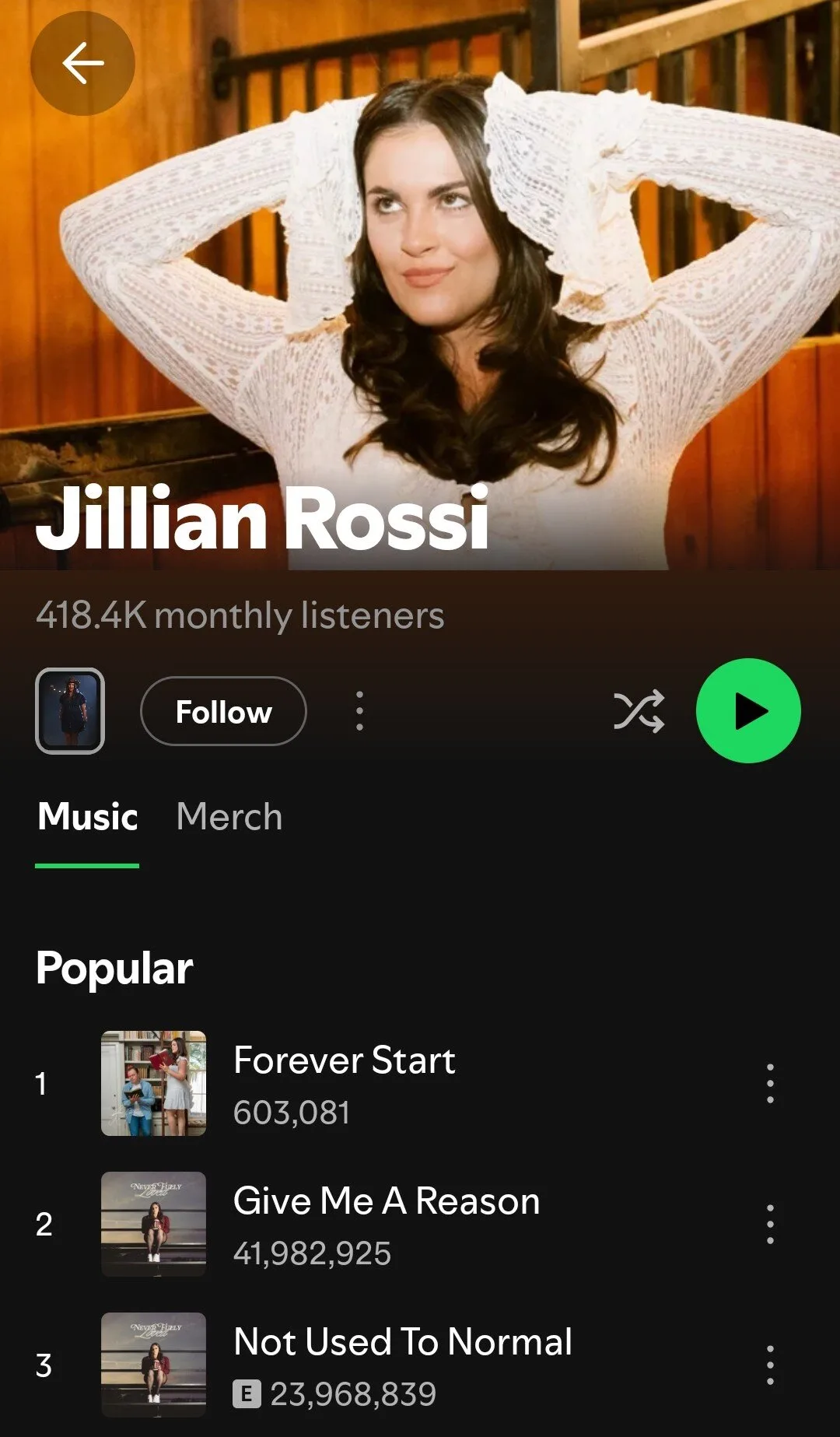
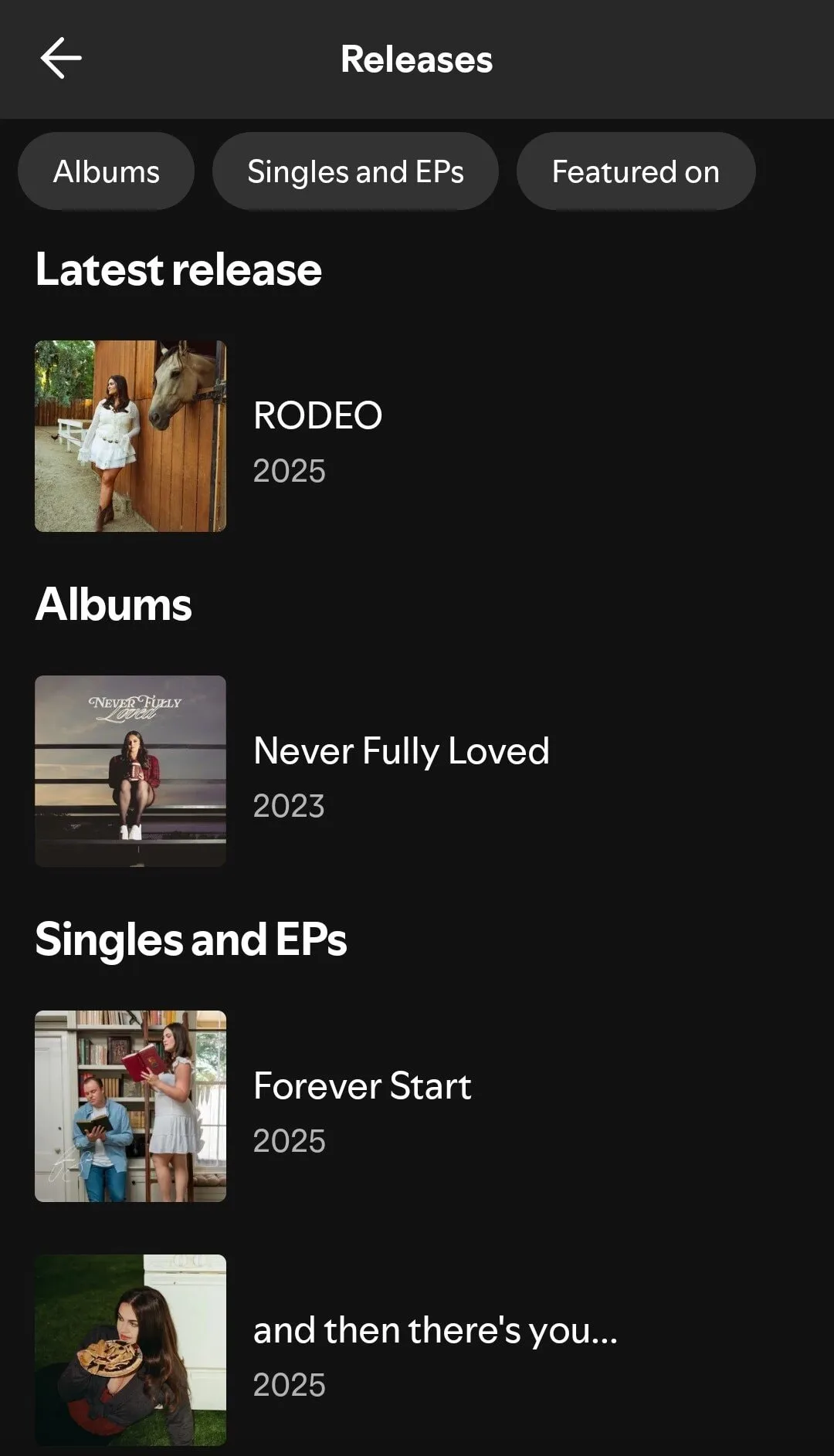
- Release consistently: Regular drops show the algorithm you’re active, which makes it more likely to test your track out to new listeners. Pop artist Jillian Rossi releases new music every few weeks, keeping both her fans and Spotify’s algorithm alert. This routine landed her on Release Radar multiple times and helped her surpass 100 million streams for her album.
- Momentum: Use ads, playlists, and social traffic to push streams in the first week. In fact, you can even use SoundCampaign to leverage our large pool of curators to slide in right playlists like these artists who had some success with us earlier.
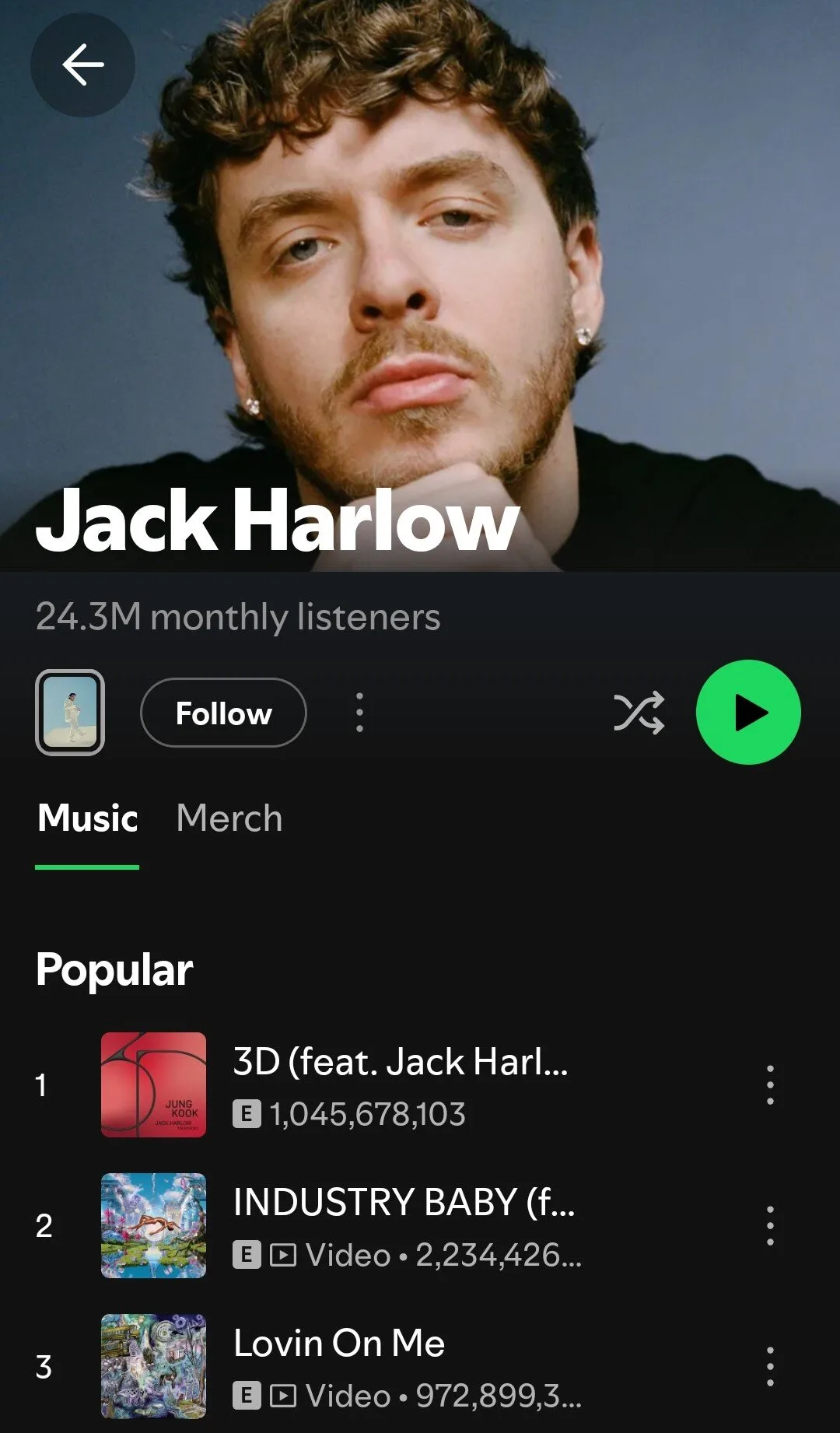
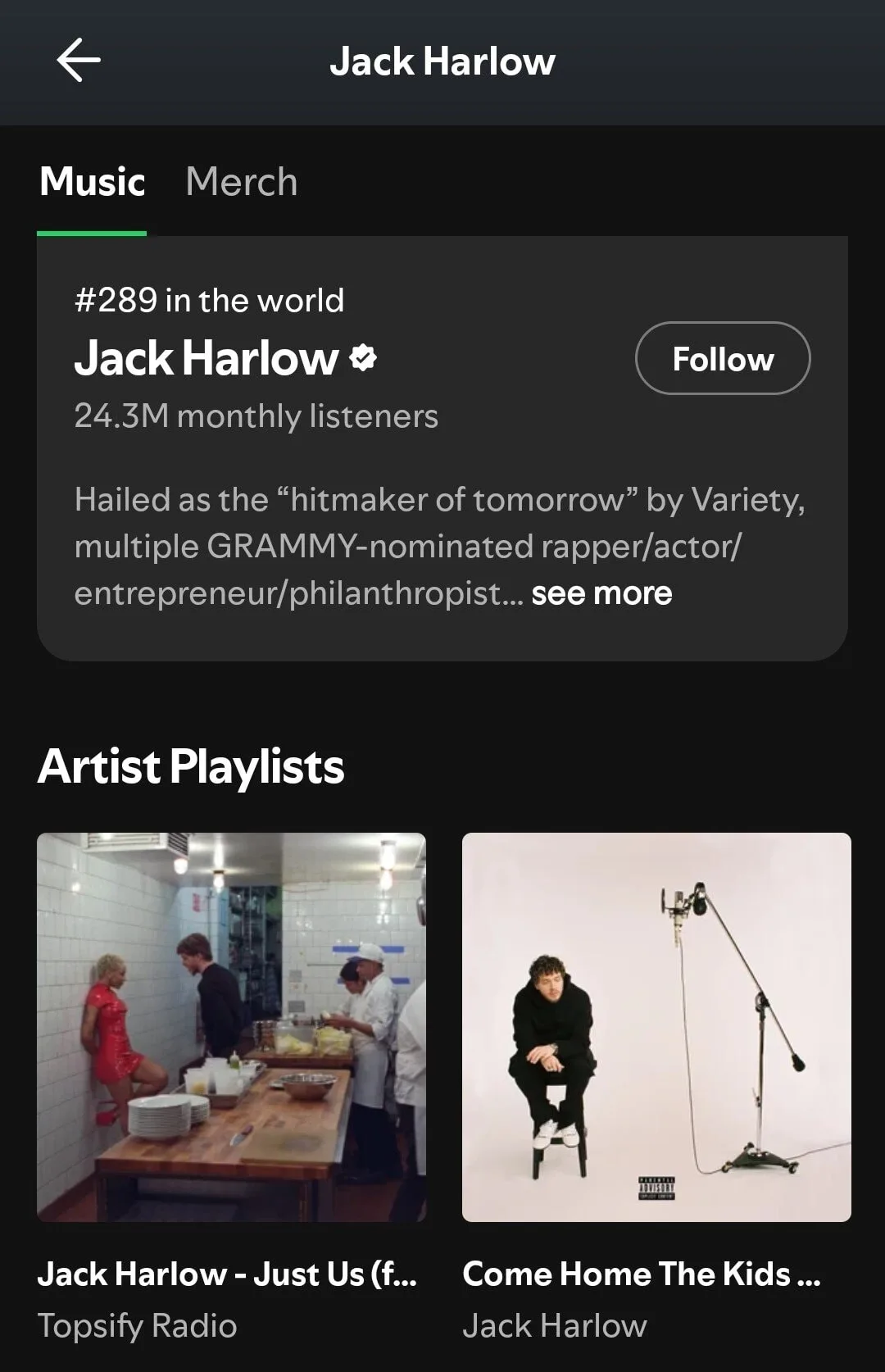
- Collaborations and user-generated playlists: This builds your genre signal, which broadens your reach. Jack Harlow keeps his Spotify profile fresh by updating images and collaborating on playlists. His active presence tells the algorithm he’s engaged, helping his tracks land on Release Radar for millions.
Pro tip: Know your listener. Who do they love? What playlists are they looping?
Once you’ve got that down, put your music in those same spots. The closer your sound fits their vibe, the more Spotify’s algorithm will share it with fans who’ll actually hit repeat.
Release Timing, Frequency, and Version Strategy
Spotify’s Release Radar updates every Friday, and songs can still appear for up to 28 days. Aim to have a four-week release cycle to stay active in Spotify’s algorithm and keep fans engaged. Long gaps or a single yearly album drop can make you disappear from playlists.
And that’s a problem!
Some artists have reported that hitting 2,000+ streams in the first week can even trigger a Release Radar boost beyond their own followers.
Only one track per artist appears in Release Radar each week. If you release an EP or album, the song you pitch through Spotify for Artists is the one your followers will see so pick your strongest.
Keep in mind: no re-releases, live versions, or alternate takes qualify for Release Radar. Only brand-new, original tracks count. Use remixes and alternate versions later to maintain momentum outside the playlist cycle.
Tracking, Analytics & What to Do After You Drop
After dropping a new track, smart tracking, and next steps can turn your Release Radar boost into lasting growth. Here’s what to focus on:
|
Step / Metric |
Details |
|---|---|
|
Check if You’re on Release Radar |
Go to Spotify for Artists → Song Stats → Playlists. If you made Release Radar, it’ll appear there with stream numbers and playlist data |
|
Followers |
A spike means new fans found you through Release Radar |
|
Saves |
Aim for a 20%+ save rate, it tells Spotify your track’s replay-worthy |
|
Playlist Adds |
More adds = more long-term streams |
|
Listener Retention |
See how long people play your song as higher retention keeps you in algorithmic playlists |
|
Convert Followers |
Ask new listeners to follow you for future drops |
|
Pitch Again |
Use your Release Radar success to pitch to editorial playlists |
|
Ride the Peaks |
Post, promote, or run ads when you see stream spikes |
|
Share Wins |
Show off your stats because fans love seeing your growth story |
Common Mistakes to Avoid
Only 3-5 percent of your followers will see your new release on their Release Radar playlist. It means that if you have 1000 followers, only about 30-50 will discover your new music through it.
Those are terrible numbers, and they can always get lower!
Here’s what not to do if you want to boost your Spotify Release Radar reach:
- Chasing followers over engagement: Focus on real fans, not vanity numbers. Followers mean nothing if they don’t stream, save, or share.
- Upload too late: Always upload 7–14 days before release so you can pitch for playlists and land on Release Radar.
- Drop too many songs at once: Spotify adds only one new track per artist to Release Radar each week. Space out your releases to keep momentum.
- Skip week-one promotion: The first week’s data fuels the algorithm. Push pre-saves, posts, and ads to drive early traction.
- Ignore quality control: Rushing releases or skipping final checks can ruin your rollout. Make sure your track, artwork, and metadata are all polished before going live.
Final Thoughts
On average, more than 60,000 songs are being uploaded to Spotify every single day. If you want your track to stand out, relying on luck won't work.
That's why I recommend you using SoundCampaign to push your song into the right playlists with listeners who actually listen to the type of music you're creating.
That way, you'll get noticed by the Spotify editors and increase your chances exponentially.
After all, hype really matters everywhere.

Fundador e CEO da SoundCampaign
Sou o Nadav. Eu fazia música antes de construir tudo isso, e foi daí que veio meu interesse por marketing. A parte de análise de dados é a que mais gosto: de onde vêm os streams, o que se moveu e o que não se moveu. Fundei a SoundCampaign para dar aos artistas uma exposição de verdade. Deu muito mais trabalho e tempo do que eu imaginava, e isso não mudou muito até hoje.
Promova sua música
Posicionamentos reais em playlists, vídeos no TikTok e anúncios no Meta

A confiança de mais de 100.000 artistas e gravadoras
Nunca usamos bots.
Caso real
Como a SoundCampaign Colocou Grant Knoche na Frente de 460.587 Ouvintes com WOOHOO
Ler a história completa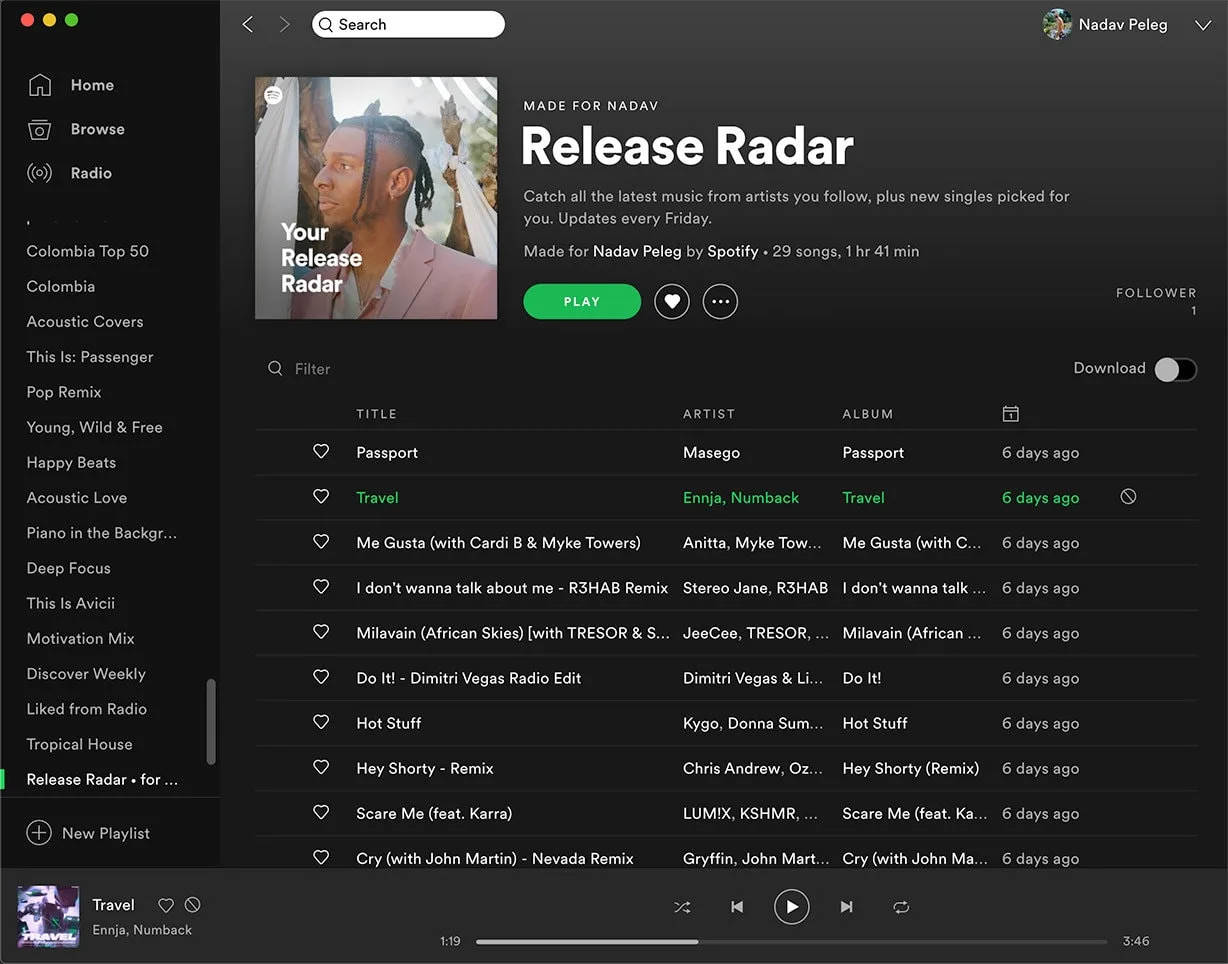
Pronto para fazer sua música ser ouvida?
Junte-se a milhares de artistas independentes que usam a SoundCampaign para alcançar playlists, creators e fãs reais, com feedback honesto em cada etapa do caminho.
- Nunca usamos bots
- Programa de Proteção ao ArtistaSe um curador ou creator não avaliar sua faixa, devolvemos seu crédito. Seu orçamento está sempre protegido.
- Fique com 100% dos seus royaltiesSomos um serviço de promoção, não uma gravadora. Nunca ficamos com uma parte dos seus streams ou royalties.