Promoção Musical
Strategic Marketing for Musicians: 23 Tips for Successful Promotion

Nadav Peleg
Atualizado · 14 min de leitura
Learn about strategic marketing for musicians, unleash your potential and conquer the music scene with successful promotion tips.


Struggling to get traction? You’re not alone. Most indie artists lose momentum because they don’t have a solid marketing plan that actually works.
I’ve put together 23 straightforward strategies, broken into five clear phases: Prep → Release → Promote → Monetize → Analyze
TikTok’s algorithms keep changing, fan-funding is booming, and new direct-to-fan tools are giving you more control and real income.
If you want a plan that fits today’s music landscape and helps you grow your audience, this guide is exactly what you need.
Prep and Positioning
Before you release anything, you have to set up your foundation.
This is where you figure out your lane, study what’s working for others, and build a visual identity fans can connect with, even if they’re seeing you for the first time
Here’s what to focus on:
#1- Go for the Market Research That Doesn’t Suck
Study artists in your genre getting real traction. Look at their release schedules, visuals, and strategies.
Glass Animals used analytics and creative digital campaigns to drive “Heat Waves” to global success.
Their management and label discuss how they use digital data and interactive social campaigns to engage fans and keep their strategy agile.
#2 - Build a Themed Release World (Not Just a Cover Art)
Go beyond a logo, build a vibe. Create a “themed world” around your release, so fans recognize your universe anywhere.
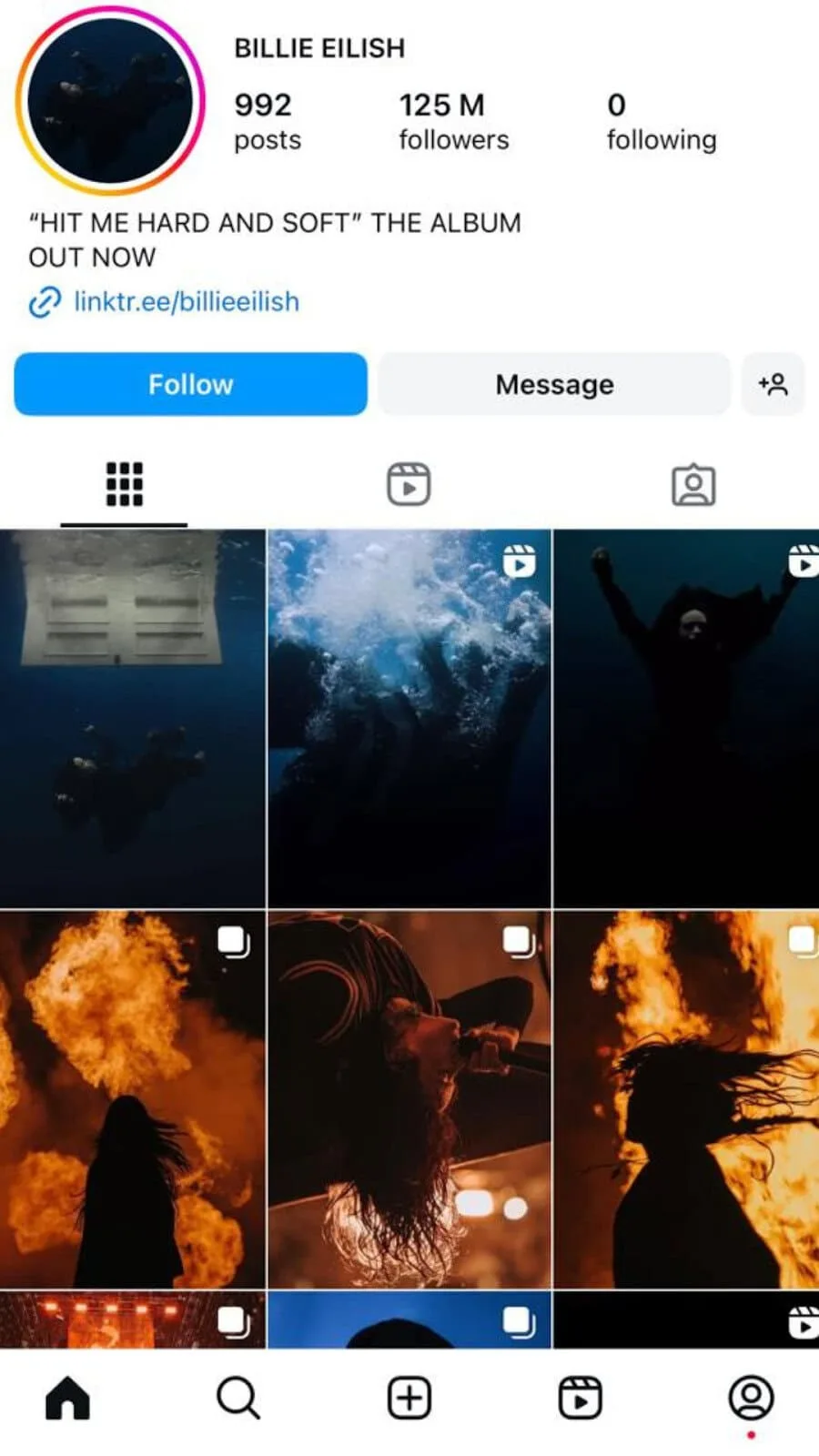
Just like how Billie Eilish built a complete, eerie pop world for her debut, seen in every visual and social post.
I mean, just look at her IG page:
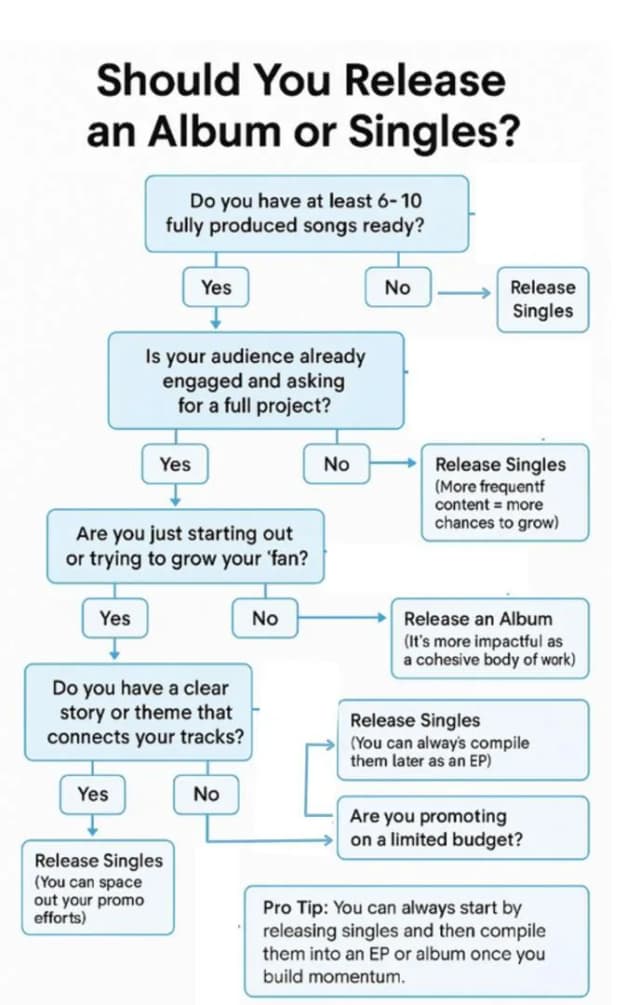
#3 - Single vs Album Strategy
If you don’t have a strong fanbase yet, start with singles.
Dropping an album to 78 monthly listeners is like whispering in a stadium.
Here’s a quick visual guide to help you decide whether to release a full album or drop singles first:
#4 - Know Your Positioning (And Don’t Copy-Paste)
Your positioning = who you are and who you’re for. It’s your unique angle in the game.
You’re not just “another R&B singer.” Maybe you’re the American girl blending Afrobeats with early 2000s soul. That’s your hook.
Use AI tools like ChatGPT or Claude to brainstorm 3-line brand bios. Test them with friends or followers.
Direct to Fan Hubs
When you depend entirely on social media platforms to reach your audience, you’re renting.
But when you build your own fan hub, you’re owning.
Do you want to rent or own?
Start with your website. Think of it as your home base. Not just a digital flyer, but a full-blown fan magnet.
I recommend Bandzoogle because it's built specifically for musicians.
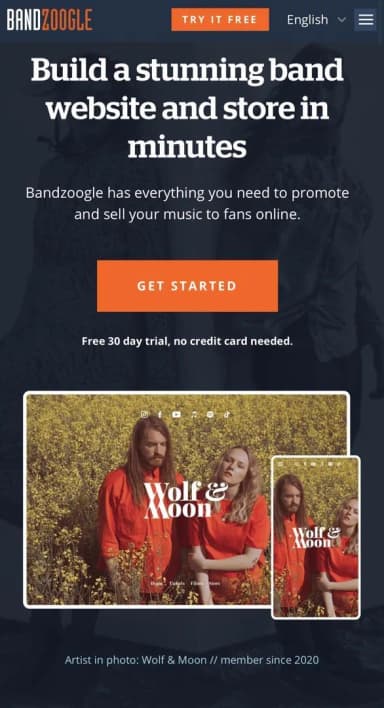
No coding needed, and it’s loaded with tools like:
- Custom EPK pages (for press & venues)
- Email list builder (with segmentation, analytics)
- Tip Jar feature (so fans can donate)
- Built-in store (for music, merch, bundles)
As of 2021, Bangzoogle powers over 55,000 websites for musicians who have sold over $75,000,000 in music, merch, and tickets commission-free.
In 2021 alone artists earned over $9.9 million in commission-free revenue using the platform’s direct-to-fan sales tools.
Now once you’ve got that site built, add a landing page for every release or campaign.
Make a simple page just for that with the cover art, streaming links, an embedded player, and a “Join the mailing list” pop-up.
If you’re using Bandzoogle or MailerLite, this takes like 10 minutes, max.
If you’re having trouble setting all this up, Bandzoogle shows a tutorial for this on Youtube on their page.
And it even gets better with fan-funding.
Artists are finally ditching label begging and getting real support from real people. If you’ve got a loyal audience, test a funding campaign.
Apart from Bandzoogle, Kickstarter and Patreon generate a lot of revenue for Artists via fan-funding.
Make sure to include a Tip Jar button on your homepage too, especially during livestreams or big drops.
Some fans won’t buy merch but will toss you $10 “just because they love what you do.”
And don’t sleep on your email list. That’s your real safety net. Social media platforms change, but email is personal and permanent.
Build that list early. Mention it in your bio, during lives, and on every single landing page.
Here’s a quick side-by-side breakdown of Bandcamp, Patreon, and Kickstarter to help you choose the best fit for your music career:
|
Platform |
Best For |
Revenue Model |
Payout Frequency |
Fan Engagement |
Ideal Use Case |
|---|---|---|---|---|---|
|
Bandcamp |
Selling music and merch directly |
Percentage of sales (10–15%) |
Monthly or on demand |
Limited, transactional |
Selling albums, merch, digital downloads |
|
Patreon |
Ongoing fan subscriptions and memberships |
Subscription based (5–12% of earnings) |
Monthly or on patron billing schedule |
High (community, tiers, messages) |
Creating exclusive content for superfans |
|
Kickstarter |
One-time funding for big creative projects |
5% platform fee + processing |
After campaign completion |
Medium (updates and rewards) |
Funding an album launch or tour upfront |
And now, a quick checklist to nail at prep and positioning:
✅ Build your site (Bandzoogle is my top pick) ✅ Add your EPK, merch store, and email opt-in ✅ Create a landing page for every release or promo ✅ Set up Tip Jar and/or fan subscriptions ✅ Launch your fan-funding campaign when the timing’s right ✅ Email your list once a week with value (behind-the-scenes, stories, unreleased tracks)
And if you're the visual type, grab screenshots of your favorite artists' websites and use them as a reference. Steal structure, not style.
Check out JackieGage’s Bandzoogle website here.
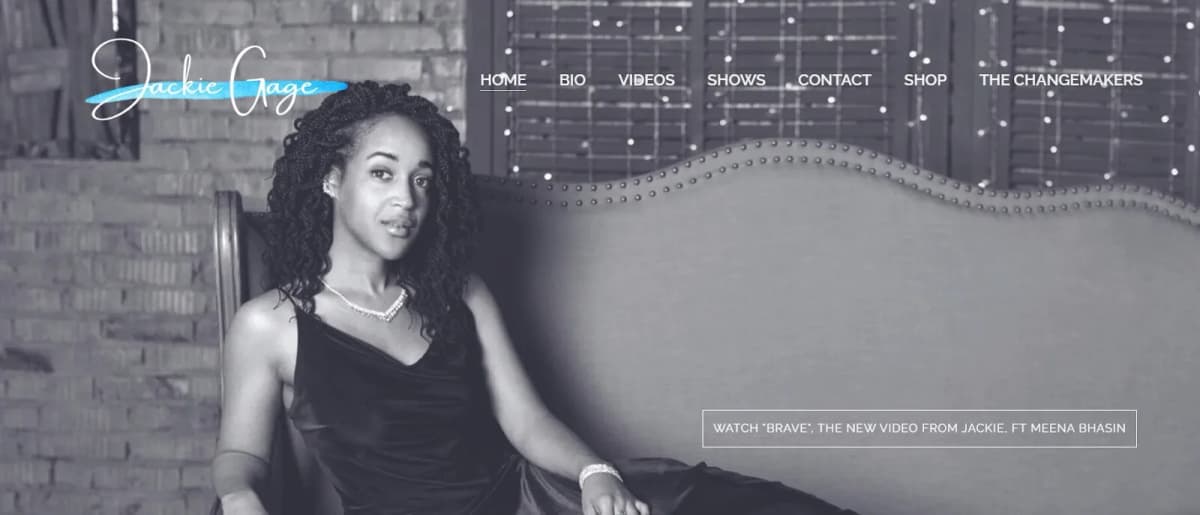
In fact, here you can read how Badzoogle helped Jackie earn money as an artist.
Release & Paid Organic Mix
Let me be honest with you. Dropping your music without a plan is like throwing a match into the ocean and hoping it starts a fire.
The truth is, even the best songs get ignored if no one sees them.
But if you play it smart, you can use a mix of organic content and paid promotion to turn your song into a movement.
And in this section, I’ll break it down into 3 easy steps you can start applying today.
Step One: Let Organic Content Warm it Up
Start by creating free content that pulls people in.
I’m talking about:
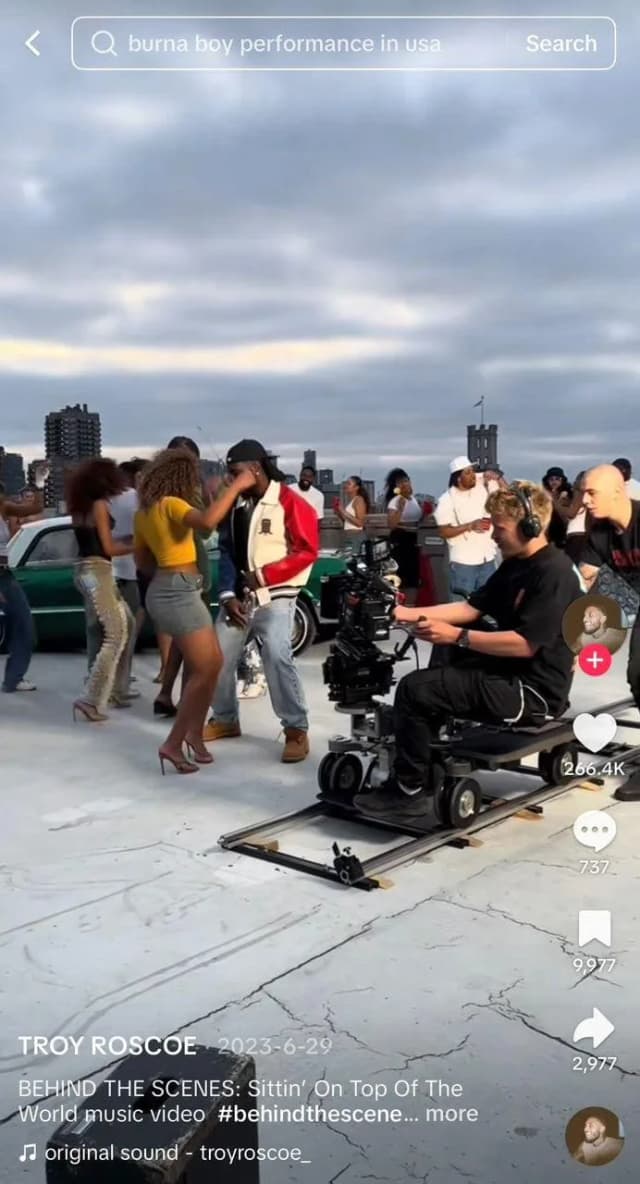
- Behind-the-scenes clips from your studio sessions
- Raw storytime about what inspired the song
- A mini music video shot on your phone
- A funny or emotional reaction from your friends hearing the song
Think of this as your test run. You’re trying to see which piece of content grabs attention before you put money behind it.
Something like this:
Step Two: Boost What’s Working with Paid Ads
Now that you know what content people love, it’s time to pour fuel on the fire. Use these platforms:
Spotify Marquee
This is for artists with at least 15,000 recent streams.
It pushes your release to listeners’ mobile apps in a super clean format. Great for reactivating fans who already know you.
A YouTube creator, Jon, did a case study on what he got after spending $150 on Spotify Marquee.
I think you should check it out. I’m sure you’ll learn something good.
Facebook & Instagram Ads
You can run short-form video ads targeted to people who watched your previous content, saved your profile, or visited your website.
Keep it simple and emotional. Don’t sell. Just show the vibe.
YouTube Pre-Roll Ads
These are the five-second clips that show before YouTube videos.
You can use them to preview your music video or hook in fans watching similar artists.
Use this quick chart to compare music ad tools based on cost, impact, and how much time you’ll need to learn and run them, so you don’t waste your promo budget experimenting blindly.
|
Platform |
Cost |
Impact |
Time |
Notes |
|---|---|---|---|---|
|
Spotify Marquee |
Moderate |
Fan reactivation |
Easy to set up |
Great for re-engaging past listeners, but only available if you’ve hit 15K streams |
|
Facebook/IG Ads |
Can get pricey |
Targeting power |
Learning curve |
Flexible but needs strong visuals + testing to convert |
|
YouTube Pre-Roll Ads |
Fair pricing |
Hard to hook fast |
Needs planning |
Good if you’ve got a killer video + want to appear before similar artists |
Don’t boost random posts. Only spend money on content that already has high engagement. The algorithm works better that way and your money goes further.
Step Three: Use Playlist Tools That Actually Work
When it comes to paid advertising in the music industry, most artists think that it’s limited to paid ads, Marquee, and stuff like that.
In reality, there’s one more way that can earn you real followers, not just subscribers or followers.
And that is, SoundCampaign.
I started this platform back in 2020 to help artists like you land into relevant Spotify playlists.
For instance, here’s one of our artists who has gotten 8 placements in highly relevant playlists that lead to over 14K visitors.
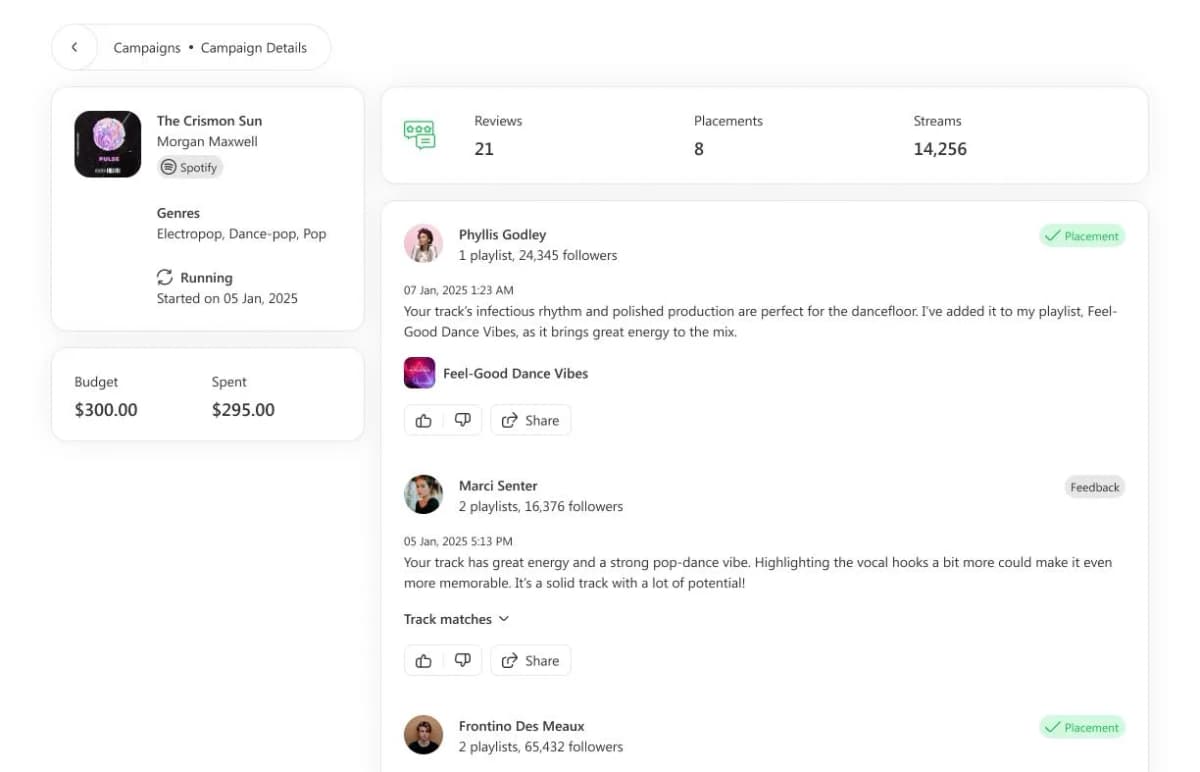
Morgan Maxwell is just one example. This is the love we’ve got from the hood ever since.

If this sounds interesting, I think you should start your SoundCampaign and test it yourself.
Social Media & Streaming Strategy
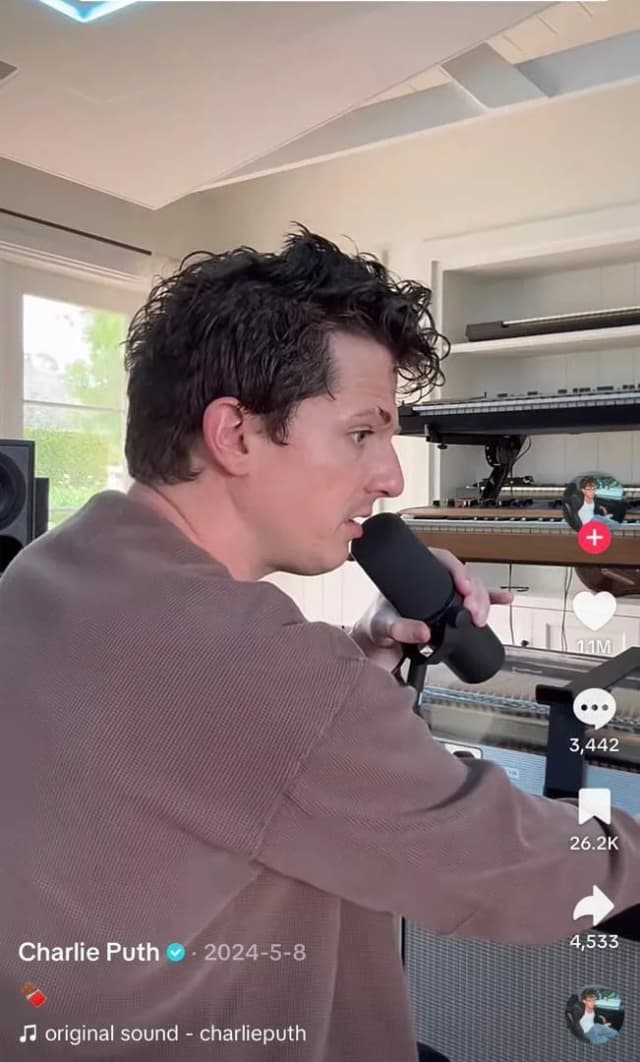
TikTok Videos
TikTok is still king.
But the latest algorithm makes things a little trickier. You grow faster when you post consistently and respond to comments with videos.
Niche content performs better now, and trends move quicker.
Pros
- Huge discovery potential
- Viral sounds can blow up your song overnight
- Built-in music tagging and analytics
Cons
- Unpredictable algorithm
- Content burns out fast
- Not great for deep fan relationships
Instagram Reels
Another great platform for this.
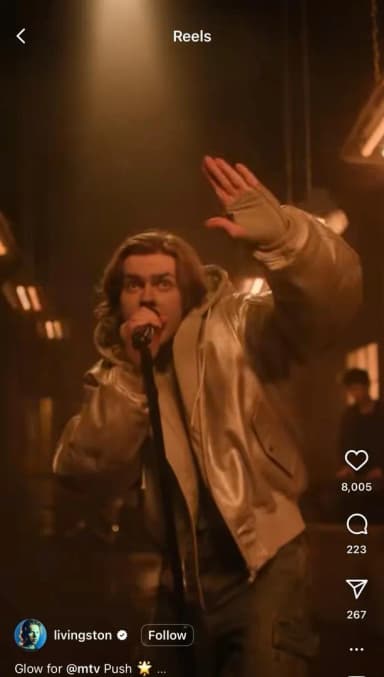
Instagram music promotion is rising fast. Niche content wins, trends move quicker, and the algorithm favors consistency, quick remixes, and real engagement.
Keep it short, valuable, and native, not overproduced.
Pros of Reels
- Easier to monetize through brand collabs
- Your music is already in the IG library
- Great for connecting with your current followers
Cons of Reels
- Reach has slowed unless you boost
- Less music-focused than TikTok
YouTube Shorts
YouTube Shorts are your backup engines.
The algorithm pushes content with strong hooks in the first 2 seconds, high watch time, and quick audience retention.
Niche wins here too, but storytelling matters more.
Think fast cuts, subtitles, and value-packed clips under 60 seconds. Post often, respond with Shorts, and stay visible.
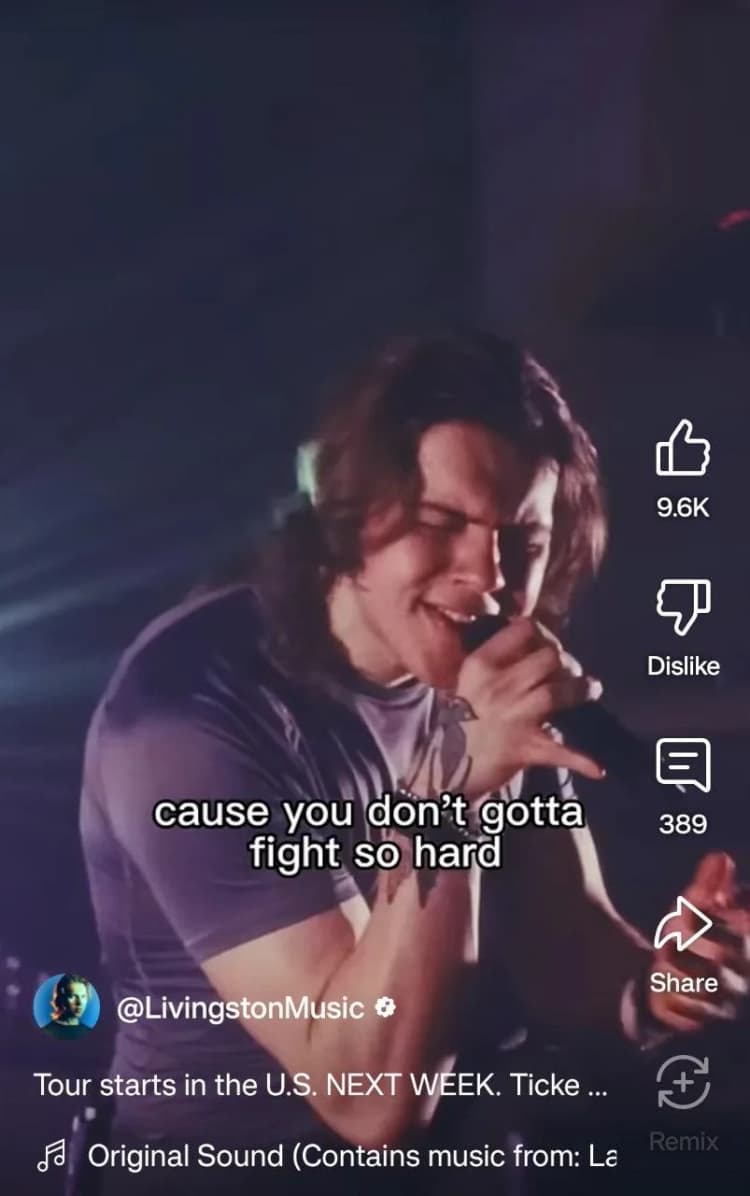
Reels are perfect for lifestyle and behind-the-scenes stuff. YouTube Shorts can send traffic to your long-form content.
Pros of YouTube Shorts
- You can link Shorts to your music videos
- Strong SEO for long-term traffic
- YouTube is still where real fans binge content
Cons of YouTube Shorts
- Harder to go viral without catchy visuals
- Lower comment rates than TikTok
SoundOn by TikTok This lets you distribute your music directly on TikTok and keep all your royalties.
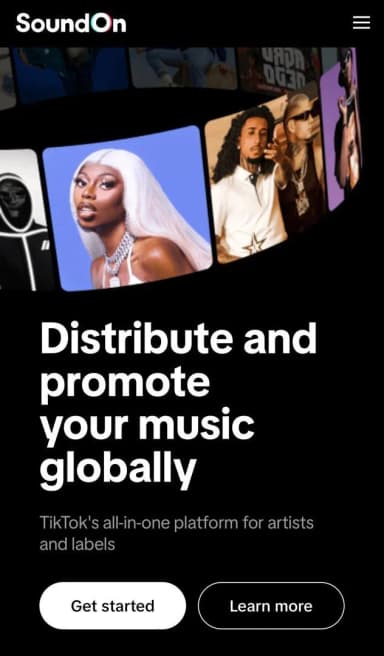
You also get to see which creators are using your track, which helps you engage directly.
Pros
- No middleman
- You own 100 percent of the royalties
- Instant creator feedback
Cons
- Limited to TikTok audience
- Less robust than DistroKid or TuneCore
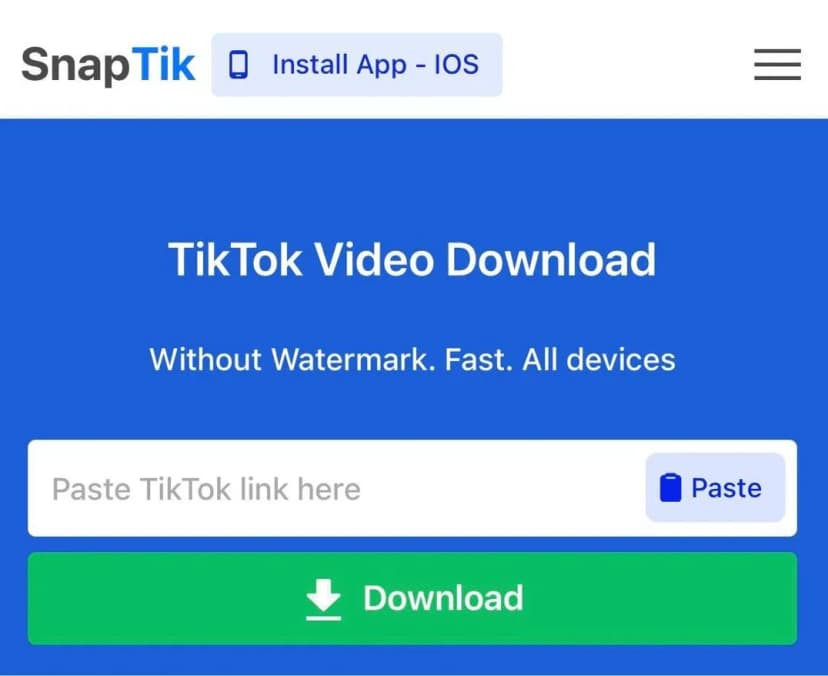
Repurpose your content smartly One 15-second clip can work for all three platforms.
Just remove the watermark using SnapTik or Repost. Adjust the caption slightly to match the platform.
Tip
Use calls to action like “Would you stream this?” or “Tag someone who needs this vibe” to boost engagement.
Every comment tells the algorithm to show your video to more people.
And never just send people to Spotify.
Always link to a direct-to-fan page where they can buy, tip, or subscribe. Streams are cool but superfans pay your bills.
Live, Collab & Influence
If you're only focused on streams, you're missing the point.
Real fans come from real connections. This is where you stop promoting and start building relationships that last. How can you do this, you ask? I got you. All you’ve got to do is;
#1 - Expand “Networking” to Strategic Collaborations
Old-school networking and handing out business cards is over. Now, your content connects you.
Think: “Who shares my audience but offers something different?”
That’s where growth happens.
This “audience fusion” naturally expands reach and builds momentum with little to no budget.
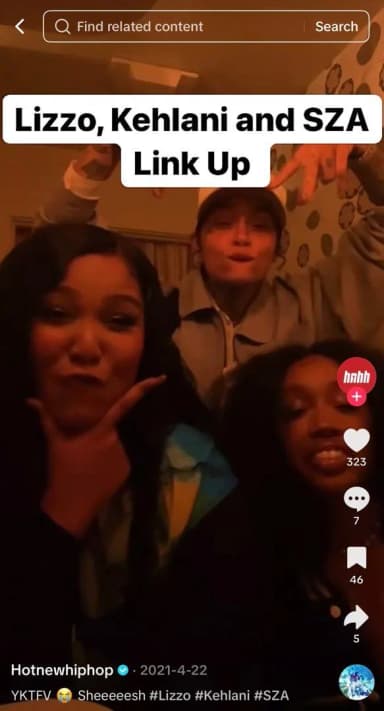
A perfect example was when Lizzo, Kehlani, and SZA linked up on TikTok to share a playful, behind-the-scenes video that teased fans about a possible collaboration.
#2 - Let Fans Market You with UGC (User-Generated Content)
You can’t outspend major labels. But, you can outsmart them.
If your fans start creating content with your song, dance videos, covers, remixes, that becomes free promo you don't have to ask or pay for.
TikTok, Instagram Reels, and YouTube Shorts are built to reward this kind of reuse.
Let me show you what I mean:
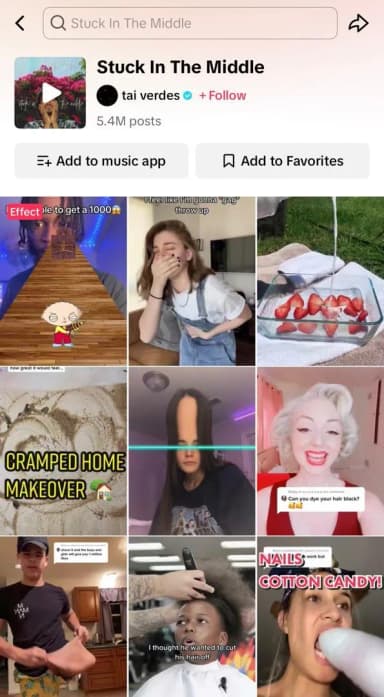
According to American Songwriter, When Tai Verdes, a completely unknown artist working at a Verizon store, dropped “Stuck in the Middle” on TikTok, he encouraged people to use the sound and post whatever fit the vibe.
It went super viral and was used in over 5.4 million posts.
Just because of this, Verdes also earned the right to work with labels on his own terms.
These days labels don’t market artists, it’s the other way around.
#3 - Live shows, webinars, and community building.
Going live, even with just 5 viewers creates a real sense of connection.
For example, Charlie Puth often goes live to play unreleased tracks, walk through how he writes songs, or let fans vote on what song cover art he should use next.
He even went live with JVKE once.
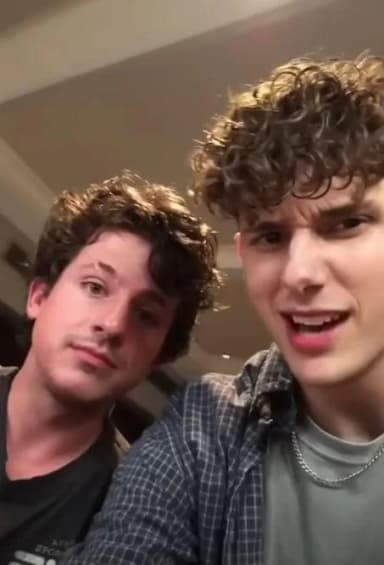
Even a small, direct audience means more than just collecting likes on a regular post.
If you’ve figured something out, share it.
Finneas records short videos and hosts quick YouTube sessions showing how he records music at home or mixes vocals without expensive gear.
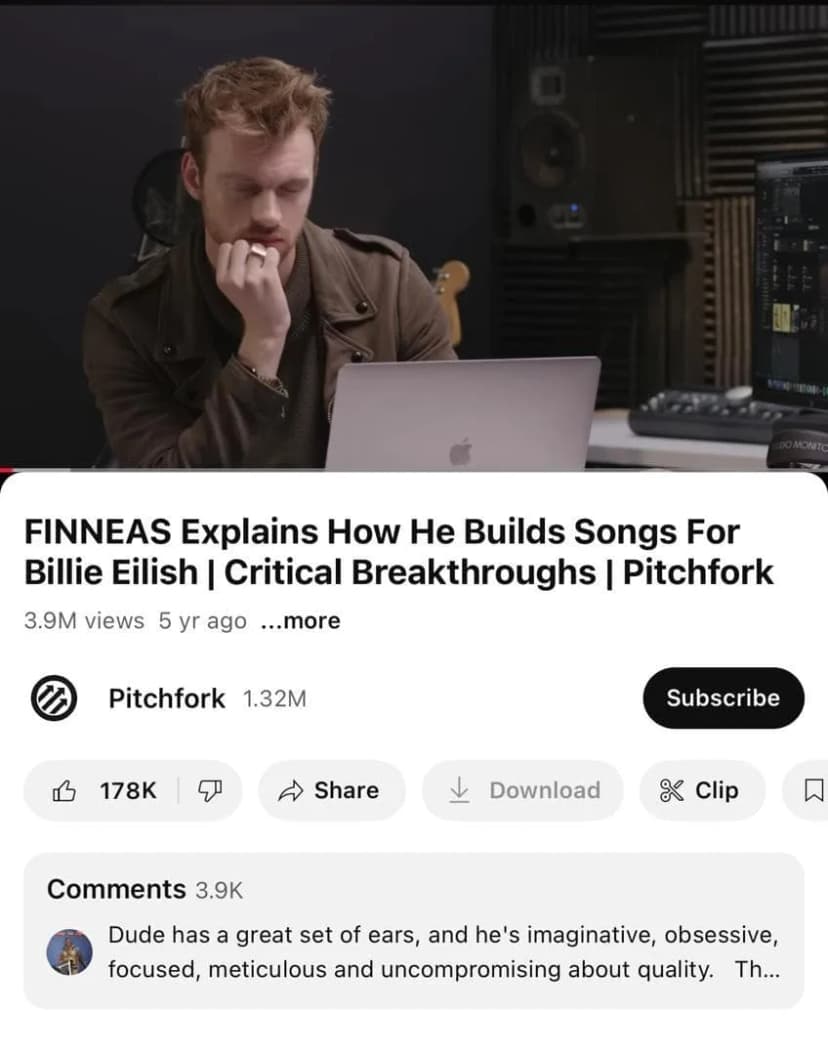
You might host your own Zoom or YouTube session explaining how you reached your first 10,000 streams or share tips on budget recording setups.
Hosting webinars isn’t just about sharing tips, it helps build trust with your audience and grows your email list.
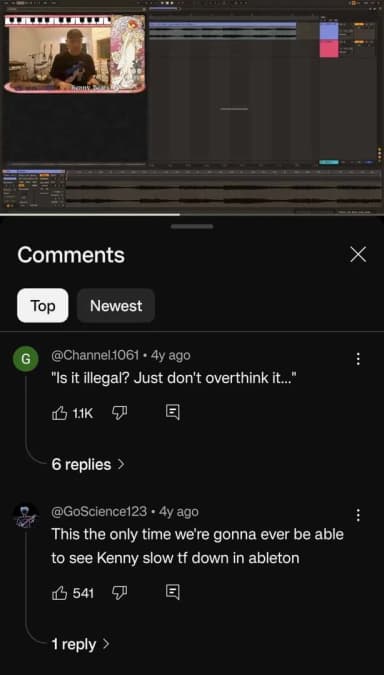
Kenny Beats is another example here.
He offers extra tutorials and exclusive beats to fans who sign up for his mailing list, giving people a reason to stay engaged.
Keep the conversation going beyond just live streams or videos.
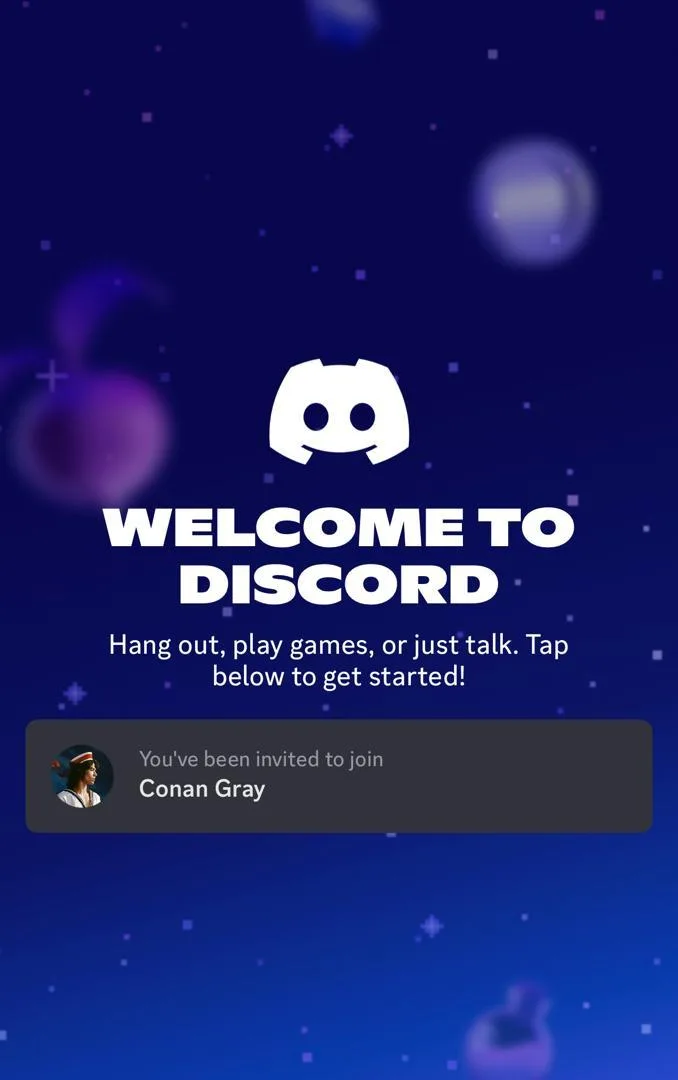
Set up a Discord, like Conan Gray did, so your fans can talk with you and each other, share their own music, and hear your latest songs early.
Use Instagram Close Friends to drop exclusive sneak peeks. G-Eazy’s community “Gotham” is a perfect example of this.
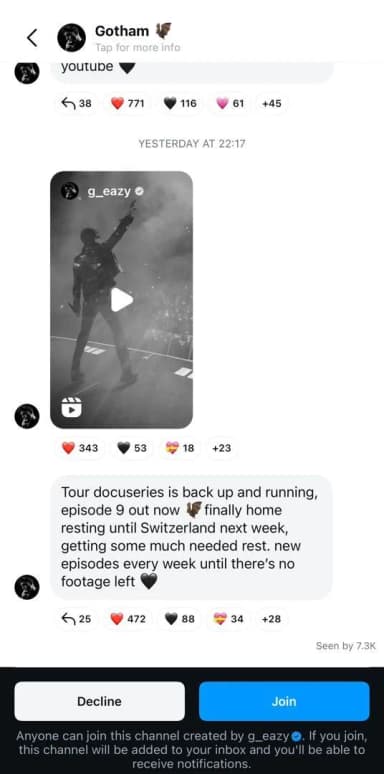
These kinds of personal, interactive moves help artists form lasting bonds with their audience, turning casual listeners into loyal fans who want to stick around
Merch & Monetization
Streaming income is minimal. This is how you build a business around your music.
If your merch is just a logo tee like this:
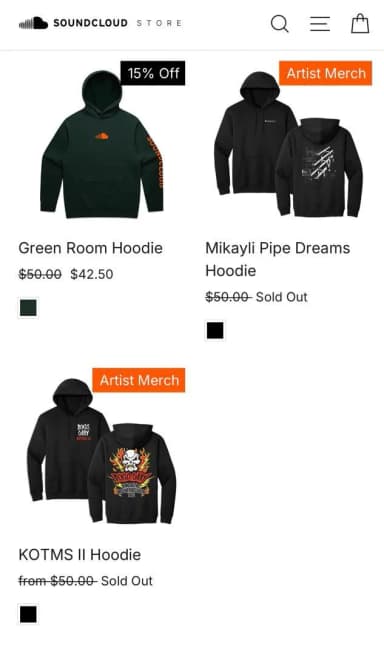
You're leaving money on the table. Fans want something that connects emotionally and feels exclusive.
Here are a few proven ideas:
- Lyric-inspired journals or notebooks
- Signed Polaroids from studio sessions
- “Mood kits” with candles, playlists, and handwritten notes
- Hoodies or wristbands with NFC tags that unlock unreleased music
There are many platforms where you can sell such stuff.
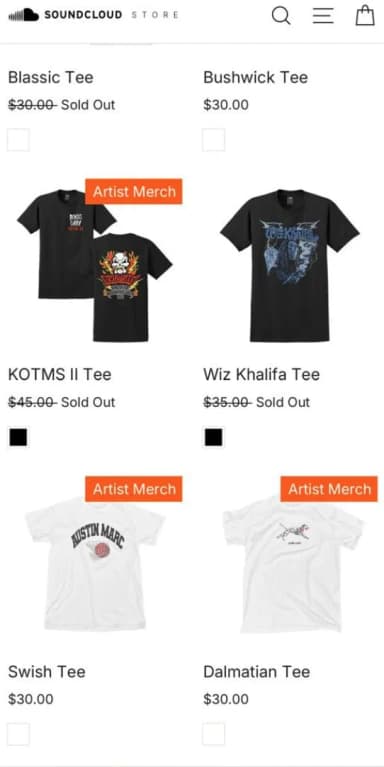
For instance, we’ve got the SoundCloud store:
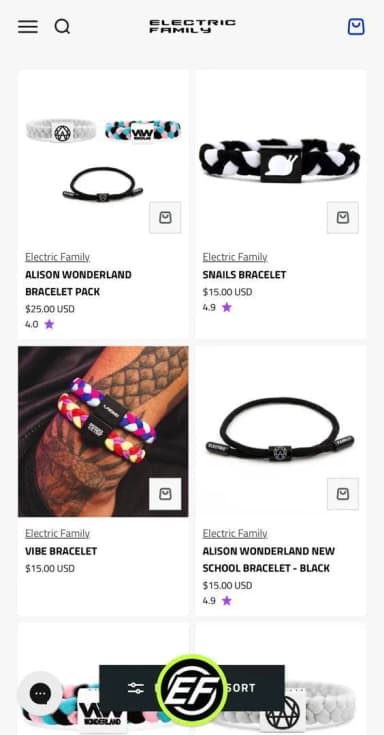
And then, we have Electrical Family:
Use Direct-to-Fan Platforms
If you want to keep more profit and more control, skip the middlemen. These platforms work:
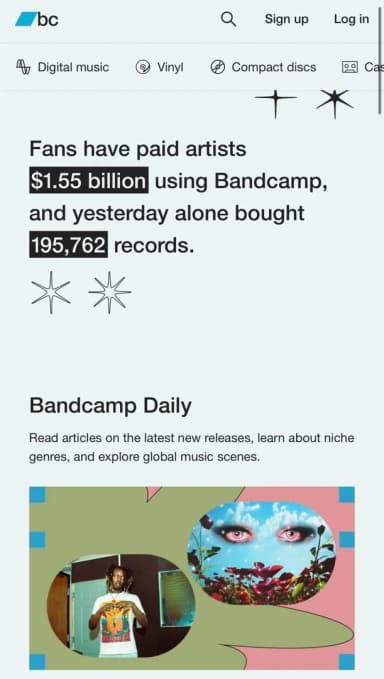
Bandcamp: Sell digital albums, vinyl, tapes, and merch. Pay what you want options help fans support you even more.
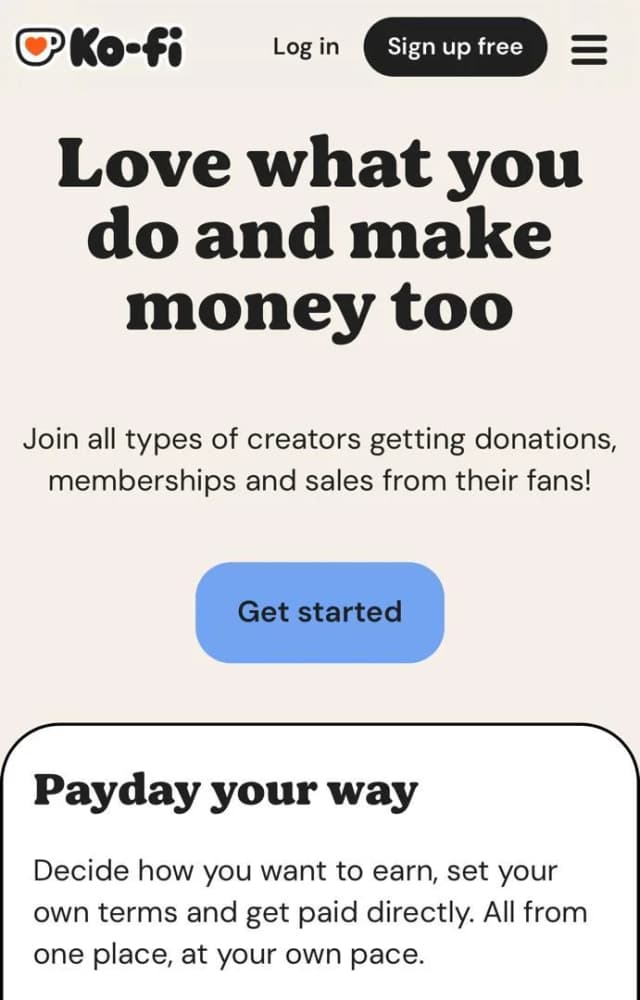
Ko-fi: Offer music, behind-the-scenes content, or exclusive drops directly.
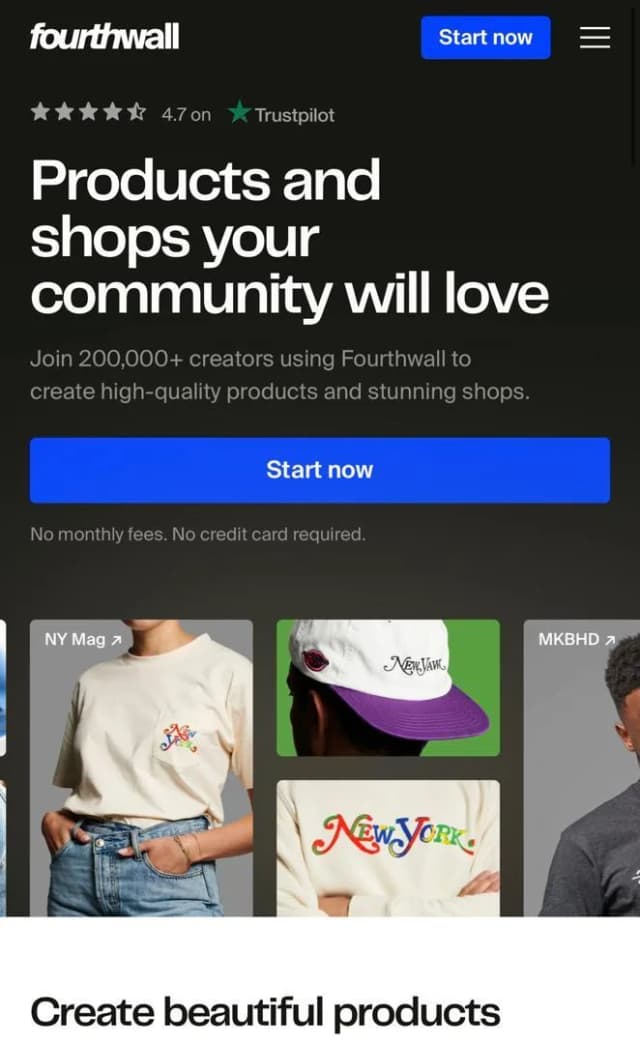
Fourthwall: Sell merch, memberships, and gated content. Designed specifically for creators.
Offer early-bird pricing for subscribers on your email list or Close Friends. Make them feel like VIPs, not customers.
Analyze & Iterate
Spotify for Artists isn’t just for bragging about streams. It’s a free tool that shows you what to double down on.
Check these weekly:
- Where your listeners are coming from (playlists, search, social)
- What songs are getting repeat plays
- Which countries or cities are heating up
If you see one song doing better in Germany or Atlanta, lean into it. Run a targeted IG ad there, or post tour content that references that city.
Use Instagram Insights to Track Real Engagement
It’s not about how many followers you have. It’s about who’s actually watching, saving, and sharing your content.
Focus on:
- Saves (that’s algorithm gold)
- Shares (that’s free marketing)
- Profile visits and link clicks (that tells you who’s ready to dive deeper)
- Average retention rate
- How many % of people are looking past 3 seconds
Track Email Performance Like a Campaign
If you’re building an email list (and you should), treat every newsletter like a music drop.
Track:
- Open rates (subject line matters)
- Click-throughs (which links got attention)
- Unsubscribes (don’t panic, just study it)
Recommended Platforms:
At Last, I’d Say Don’t Just Post. Learn from Every Move.
Every campaign teaches you something. Use that data to:
- Create better content
- Drop music when your audience is most active
- See which collabs or formats are worth repeating
This is how you move from posting randomly to growing intentionally.

Fundador e CEO da SoundCampaign
Sou o Nadav. Eu fazia música antes de construir tudo isso, e foi daí que veio meu interesse por marketing. A parte de análise de dados é a que mais gosto: de onde vêm os streams, o que se moveu e o que não se moveu. Fundei a SoundCampaign para dar aos artistas uma exposição de verdade. Deu muito mais trabalho e tempo do que eu imaginava, e isso não mudou muito até hoje.
Promova sua música
Posicionamentos reais em playlists, vídeos no TikTok e anúncios no Meta

A confiança de mais de 100.000 artistas e gravadoras
Nunca usamos bots.
Caso real
Como a SoundCampaign Colocou Grant Knoche na Frente de 460.587 Ouvintes com WOOHOO
Ler a história completa
Pronto para fazer sua música ser ouvida?
Junte-se a milhares de artistas independentes que usam a SoundCampaign para alcançar playlists, creators e fãs reais, com feedback honesto em cada etapa do caminho.
- Nunca usamos bots
- Programa de Proteção ao ArtistaSe um curador ou creator não avaliar sua faixa, devolvemos seu crédito. Seu orçamento está sempre protegido.
- Fique com 100% dos seus royaltiesSomos um serviço de promoção, não uma gravadora. Nunca ficamos com uma parte dos seus streams ou royalties.