Musikindustrie
How to Get Signed to a Record Label in 2026

Azfar
Aktualisiert · 24 Min. Lesezeit
Learn how to get signed to a record label with proven steps: from building your brand and growing a fanbase to pitching. This is the last guide you're reading.


On this page
- Step 1: Know the Deal Before You Sign the Dream
- Step 2: Look Signed Before You Get Signed
- Step 3: Build Leverage That Attracts Labels
- Step 4: Be Your Own CMO
- Step 5: Network Without Acting Thirsty
- Step 6: Pitching to Labels the Smart Way
- Step 7: What Happens After You Get a Label’s Attention
- Step 8: Vet the Deals Like a Boss
Back in 2020, I was experimenting and releasing a lot of music.
The best part? Most of those songs are private now. I didn’t like them.
What's even more funny is some of my fans still want access to those tracks.
Maybe they were better than I thought.
Either way, I wasn’t impressed. But a label was. They came knocking with a deal.
And to be frank, I was anxious. I didn't see that coming. So, I asked everyone and did my research to learn how to get signed to a record label in a way I don't compromise business side of things.
So after reading their contract, I looked it over and pictured myself tearing it up.
They thought they could buy me cheap on their terms.
Anyways, that happens to most artists at some point in their lives. No big deal.
But, what's even worse is getting signed with regrets.
Once you go through all the steps we have here, you'll become an artist who also knows how to do business. Likewise, you will never get in that trap.
Sounds good? Let's dive right into it.
Step 1: Know the Deal Before You Sign the Dream
Every artist wants that moment when a label hits them up. But not every deal is worth the signature.
In fact, most are built to look sweet on the surface and bleed you dry underneath.
Forget trying to memorize deal types like you're studying for a pop quiz. Most contracts today are hybrid, slippery, and intentionally vague.
They flex to fit whatever the label can get away with.
What matters is leverage. And leverage is built on understanding what actually shapes a deal.
Here are some factors that can help you know the deal before you sign. So, go through this carefully.
Master Ownership: The Trojan Horse of the Music Business
Labels will tell you it's "standard" for them to own the masters. That is the first lie.
Owning the masters is not about distribution. It is about long-term power.
What insiders will not tell you:
- Labels don’t get rich from your advance. They get rich from your catalog.
- That song you wrote in your bedroom could be used in ads, movies, games, and AI-generated remixes for decades.
- If you hand over the masters, they will make money off your work long after you are done performing.
What to ask:
- Do I own the masters?
- If not, do I get them back? When?
- Can I license them to you instead of assigning them?
Pro Tip: If you have already built some traction, propose a term-limited license, like seven years. After that, full ownership reverts to you. Major artists do this quietly. So can you.
Royalty Splits: The Numbers Are Not What They Seem
That 20% cut they offer you is not real. Because you don’t get a dollar until they have recouped everything on their terms.
Here’s an inside move most people don’t talk about. Trust me, this is coming from my personal experience. I’ve seen artists going through it.
Labels pad expenses. It is called cross-collateralization. They apply tour losses, marketing flops, even bad investments across all your earnings.
Here’s how a label ruined life of an artist I personally know:
- They did front her $100K
- Spent $250K on a poorly run campaign
- Claimed she owes $150K before she saw a dime
- Meanwhile, her song was generating $1M. They just took it all first
Doesn’t make sense? Look:
The label made $1M from her song, but she only got 15% and they recouped their $250K from her cut, not the total.
So even though the song blew up, she still "owes" them money while they keep the bulk.
What to ask:
- Is my percentage based on gross or net revenue?
- Do I approve expenses before they are recouped?
- Is there a cap on marketing costs?
Always ask for audit rights. It’s not sexy, but it’s lethal. It says, "I can check your books, and sue if you lie.”
Deal Scope: The Everything Tax
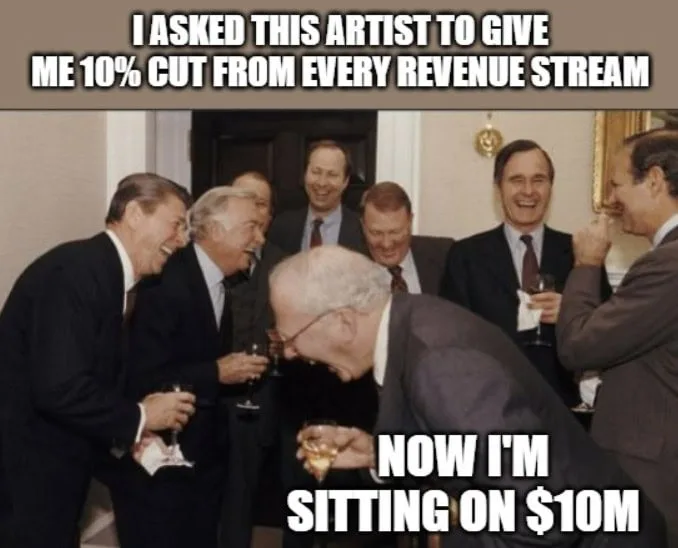
The 360 deal is not a deal. It is a slow bleed.
These contracts touch every income stream: music, merch, sync, shows, brand partnerships, TikTok duets, probably your merch collab with your cousin.
What they say: "We will invest in your whole brand."
What they mean: "We will invest just enough to justify dipping into everything you do."
Ask this:
- Are you taking a cut of revenue I generate without your help?
- What services come with that cut? Show me.
- Can we cap it or make it project-based?
Negotiate carve-outs, like "no cut from merch unless the label funds production." Or "no cut of sync unless the label makes the deal."
You don’t really want them to make fun out of you like this:
Creative Control: The Silent Career Killer
The wrong clause can stop you from dropping music, block collabs, and force you into releases you hate.
Here’s something labels do silently to ruin your journey as an artist:
- Delay projects to protect other artists on the roster
- Make you wait 18 months for a rollout. By then, your momentum is gone
- Want to drop a surprise EP? Too bad. They want alignment
Ask this:
- Who approves final masters?
- Can I drop music independently between major releases?
- Do I need sign-off for videos, artwork, collabs?
Request a creative autonomy clause or release frequency clause. Even a soft version gives you leverage when delays hit.
Contract Term: The Part Artists Regret Later
You think you are signing a deal. You are actually signing your timeline away.
Here’s what they do:
- Lock you into multiple albums with no obligation to release them fast
- Tie your contract to delivery, not time
- Delay you just enough to keep you stuck, not shelved
Ask this:
- Is this time-based or project-based?
- Is there a minimum release requirement from the label?
- Can I renegotiate based on performance?
Push for a sunset clause. If the label doesn’t release within 12 months, you walk with your masters. Clean and powerful.
Support: The Myth of Full-Stack Labels
They sell you dreams of marketing, tours, press, and playlisting, but most artists get the bare minimum.
- The top 1 percent of artists get 90 percent of the label budget
- If you are not a priority, your support is just lip service
- Unless it’s in writing, it is vaporware
Ask this:
- Is there a guaranteed marketing budget?
- How many campaigns do you run per project?
- Will I have input on creative direction, PR, DSP pitching?
Get deliverables added to your deal memo. Even just a "minimum quarterly budget" line forces them to spend or explain.
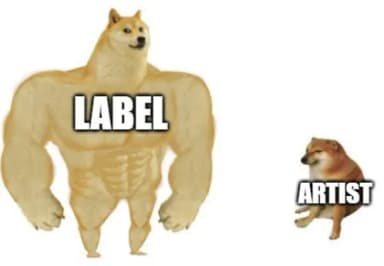
Don’t be like them:
Step 2: Look Signed Before You Get Signed
Pass the Label Checklist
Let’s kill the fantasy early: most record labels are not looking to take chances on raw potential anymore.
They’re scanning data, not demos.
Labels have morphed into risk-averse machines, driven by analytics, ROI, and your ability to already function like a brand.
If you’re not showing serious traction before you approach, you’re invisible.
They go through your Spotify, Apple Music, and YouTube to see real, repeatable numbers. Not one fluke. Not one lucky playlist add.
They want:
- Consistent monthly listeners (think 50k+ as a baseline)
- Multi-platform presence with measurable growth
- Strong completion rates on tracks (yes, they track that)
A single viral moment won’t carry you. A majority of labels are done with one-hit wonders.
Let me give you an example here.
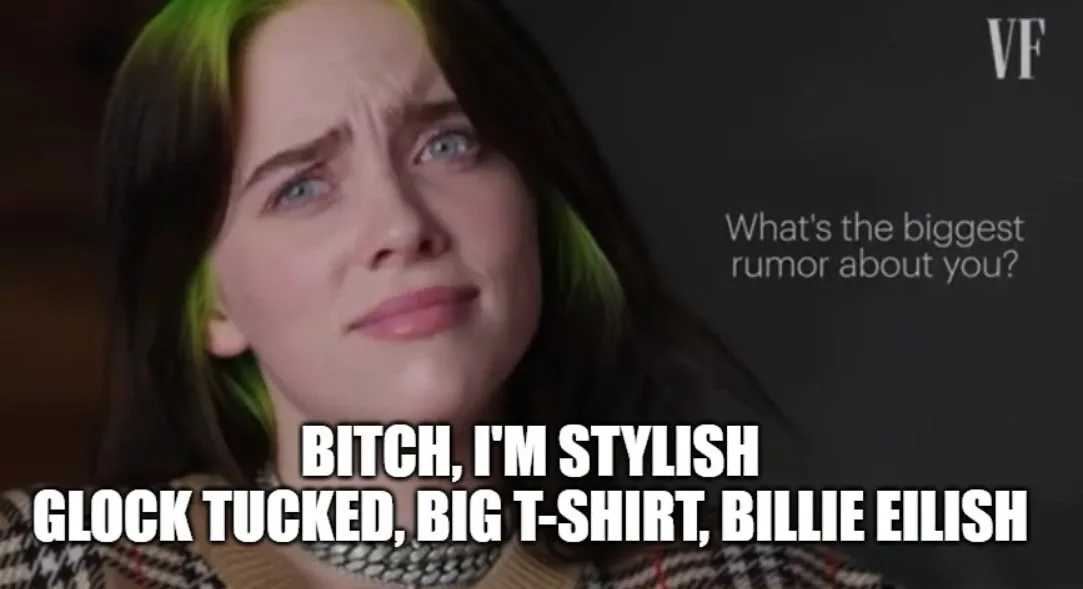
Armani White was signed to Def Jam after his single "Billie Eilish" exploded on TikTok and then pulled in ~100 million streams on Spotify.
Everywhere you go. You hear:
“Bitch, I'm stylish
Glock tucked, big t-shirt, Billie Eilish”
Therefore, the label jumped in because the numbers weren’t just viral, they were sustained and growing across platforms.
I’ve seen many artists making a remix on his beat.
Before signing an artist, any label wants proof that he can keep people listening over time.
Def Jam had a clear idea that this would happen. So, they signed him.
Eventually, he proved them as well.
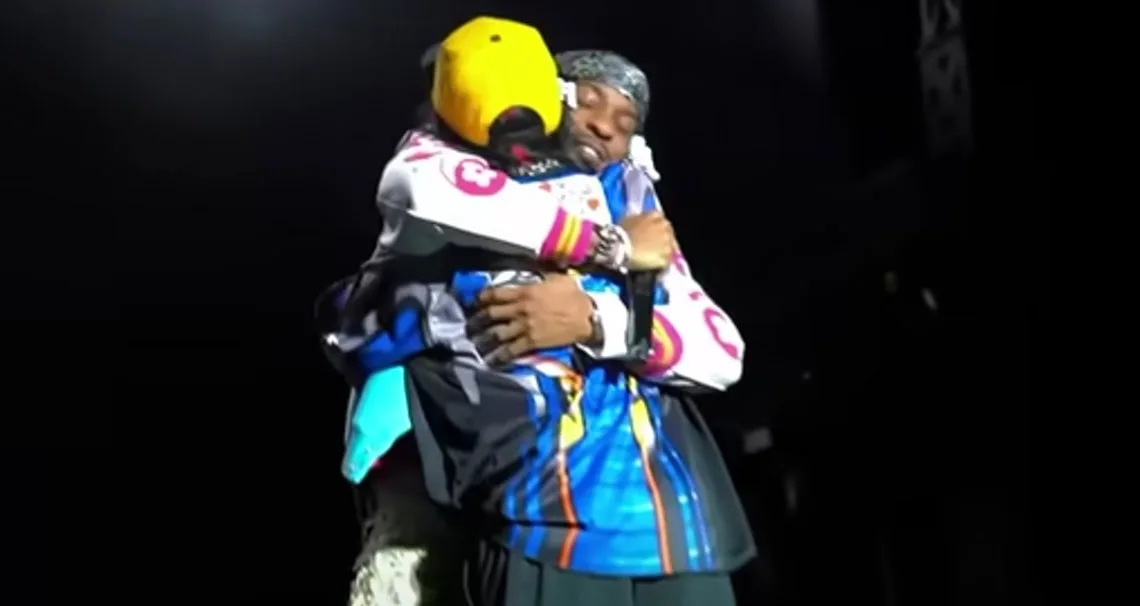
In the coming years, Billie Eilish brought Armani White on stage during her show at the Osheaga Festival.
After she hugged him, she said 'That's the first time we met. Literally!’
So with that kind of energy, Def Jam didn’t mind investing in him.
You want to build social media presence too?
I've got a couple resources for you:
Don’t Just Drop One Track
Don’t show up with just one single and expect attention. A mini-EP of 3 to 5 mastered tracks gives labels a better sense of who you are.
Plus, it boosts your odds with playlist curators and new listeners.
Music labels always fly over your head like an eagle.
When I randomly uploaded my Shab EP on just YouTube, I got a record deal knocking at my door. I didn’t even reach out to them.
They came on their own.
They asked me to sign a deal where they’ll pay me 10% of revenue streams and they keep 90%, so I had to reject it.
What they were offering? Basic gears, video expenses, and free tour. So, I had to reject it.
(Sorry guys, won’t take the label’s name here)
Build a Brand, Not Just a Genre
Labels don’t care if you rap, sing, scream, or even whisper.
What they want is:
- A unique sonic fingerprint
- A clear, recognizable visual identity
- Cultural authenticity that doesn’t feel manufactured
Genre-bending is expected. If you can connect across demographics without sounding like everyone else, you’re in the right lane.
Can you guess any artist who got this?
Of course, she’s the one!
Write a Killer Bio
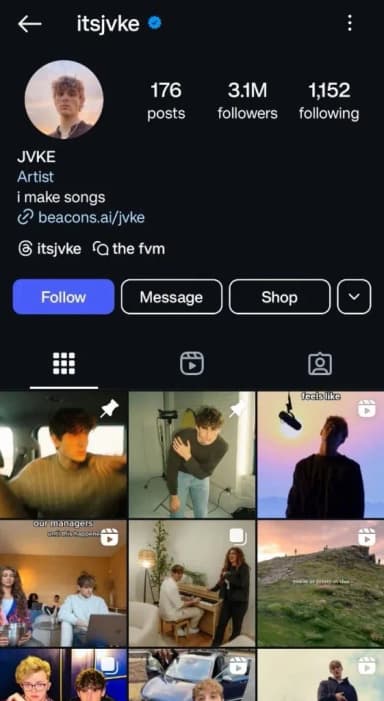
Unless you’re JVKE, a bio like this won’t get you signed to a label.
Seriously!
‘I make songs’ isn’t gonna cut it out.
Here’s what you really need:
- Show some achievements
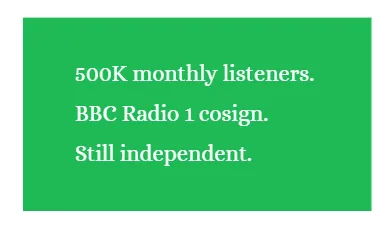
- Flex your Spotify streams
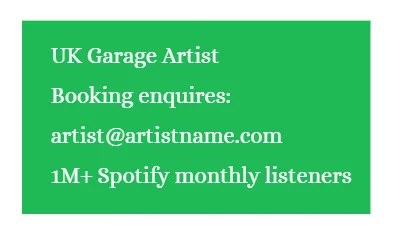
- Show that you’re unsigned, but there are high chances of you getting signed
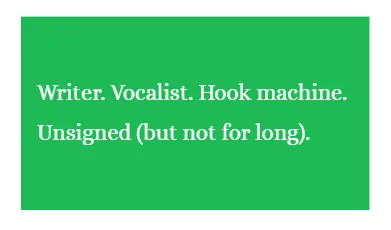
- Talk like a hitmaker
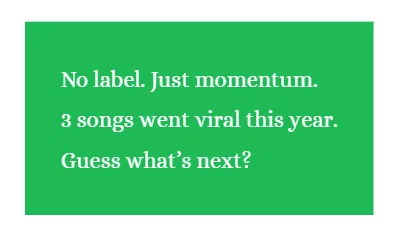
Basically, do anything to push labels. The more you flex, the better opportunities will knock at your door.
Build a Clean EPK
Think of your EPK as your music resume. It should include:
- Your top 3 to 5 tracks with links
- Performance clips or a short highlight reel
- High-res photos and album artwork
- Quotes from press or reviewers
- Key stats (monthly listeners, tour dates, ticket sales)
- Contact info (direct and management)
- That same bio, tailored to current projects
Step 3: Build Leverage That Attracts Labels
Use Social Metrics As the New A&R Currency
Your follower count isn’t just a vanity metric anymore, it’s part of your pitch deck.
Labels are looking at:
- TikTok reach and consistency
- Instagram Stories engagement
- Reels/Shorts/YouTube performance
- How fast your content picks up traction
- How many other social media creators are talking about you
Here’s the truth: labels love TikTok because fans discover and test music there for free.
If you can prove your track moved without ads, that’s leverage.
You must be wondering how they’ll know about it, right? Well, I’ve run ads for some of my songs. Guess what?
Those tracks had engagement issues!
Ads show your song even to people who aren’t even interested in listening to that sort of music.
Just take a look at this:
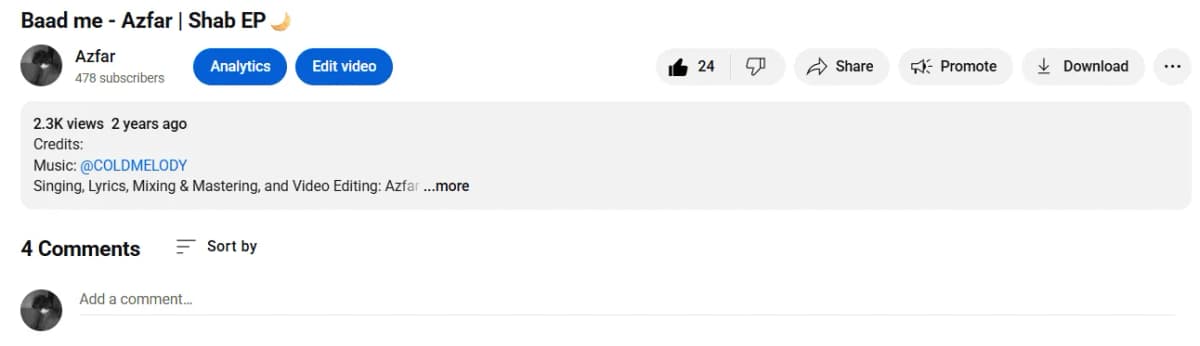
- 2.3K views
- 4 Comments
- 24 Likes
- $5 spent on YouTube Ads
It doesn’t add up, right? How can 2,400 people listen to a track and not comment anything?
Those 4 people? Those fans are my regular listeners.
This is why I always say playlist promotion is the best way to promote yourself.
Labels can’t track where you got pitched, who you paid, and what’s behind the scenes.
On the other hand, relevant playlists get you more engaging fans than these ads.
Btw, SoundCampaign is all about getting your song pitched to Spotify playlists on your behalf.
Last time I was working on SoundCampaign’s success stories, I saw that artists are usually getting an average playlist add rate of more than 50%.
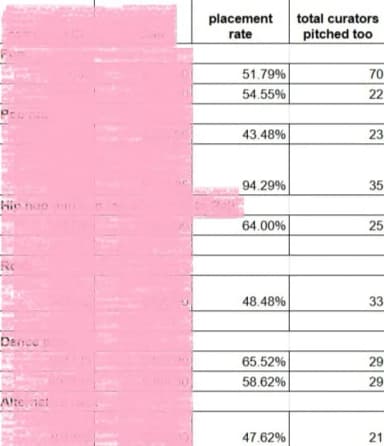
And let me be honest here!
Some artists got 35% and some couldn’t even get playlisted.
The reason being? Those tracks weren’t well-produced and our playlist curators care about their playlist quality as well.
They can’t add a track they don’t vibe with. Simple!
Instead of that, those artists received nice feedback that helped them get into playlists later.
Wanna find out how it’s gonna work for you?
Why don’t you try it yourself instead: 🎁 Start Your First Campaign Right Now & Get $20 Bonus »
Anyways….
Labels are not just watching how many people follow you. They’re watching how fans react, comment, remix, and share.
Your ability to create that energy tells them how easy (or hard) it will be to scale you.
Own Short-Form Platforms
If you’re not showing up on TikTok, Reels, or YouTube Shorts, you’re invisible to half the industry.
These platforms reward two things: consistency and authenticity.
The formula that works starts with a strong hook (3–5 seconds), follows with something valuable (a beat drop, lyric teaser, or story), and closes with a call to action ("pre-save this," "duet this," "follow for more").
French indie-pop artist CARYS launched a TikTok challenge for "Princesses Don’t Cry" that exploded into 850,000+ user-generated videos.
Lil Nas X? He surfed the #YeehawChallenge to 19 weeks at No. 1 on Billboard. Both built traction before anyone offered a deal.
Best practices:
- Post 3–5 times per week
- Add your spin to trends
- Use platform-native effects and audio
- Watch your analytics and double down on what's working
Get on Playlists
Organic playlist adds are powerful proof points. On the other hand, this increases your streams on Spotify.
HIDEKKI, one of the artists, SoundCampaign pushed was able to get 18 playlist adds out of 22 pitches. That’s beyond 80% approval rate.
Not only that, his song got over 568,360 streams on Spotify.
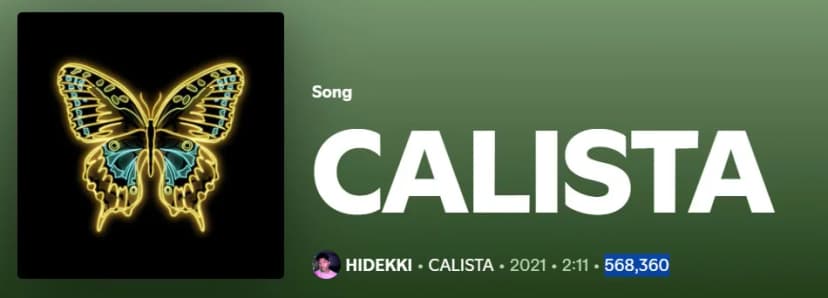
With SoundCampaign, you can get the same results. Here's how you can create your first campaign.
Perform Live and Document It
Even though everything is digital these days, labels still care about the stage. After all, tour ready artists are easier to promote.
They bring fan loyalty and also revenue from virtual concerts.
An artist with stage presence can outcompete a lot of competition. Trust me, I’ve seen many artists struggling to perform live.
Numbers have nothing to do with live performances.
This might sound convincing, but take a look at Zeppelin’s story I just found on Reddit:
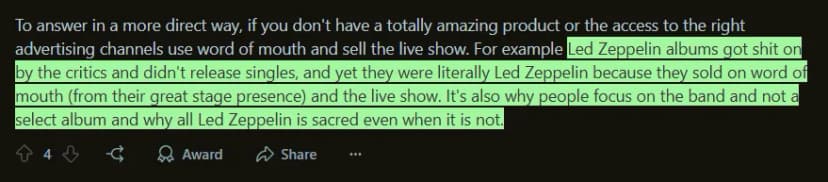
Here’s another inspiration for you:

Get Featured on Blogs and Podcasts
Nothing beats third-party credibility. Getting featured shows that someone else thinks you're worth writing or talking about.
How to start:
- Build a clean press kit: short bio, high-res photos, links, and video
- Target blogs and shows that cover your genre
- Personalize your pitch. Mention a recent article or episode and offer a specific angle
- Follow up once, then move on
Podcasts are gold for deeper storytelling. Bonus: many hosts are looking for guests. If you can speak well and offer a fresh take, they’ll listen. Offer to trade promo or appear on each other's shows.
Show Some Proof
The artists who win don’t wait for labels to pick them. They become too valuable to ignore.
You wanna know how to become too valuable to ignore? I think you should study the ALT BLK ERA.
A sister duo from Nottingham carved their own path, built their audience, and landed festival stages before any label touched their work.
Their music is chaotic in the best way including punk, rap, and electronic fused with real conviction.
Without any filter or polish, they’ve cut through the noise. They had press talking.
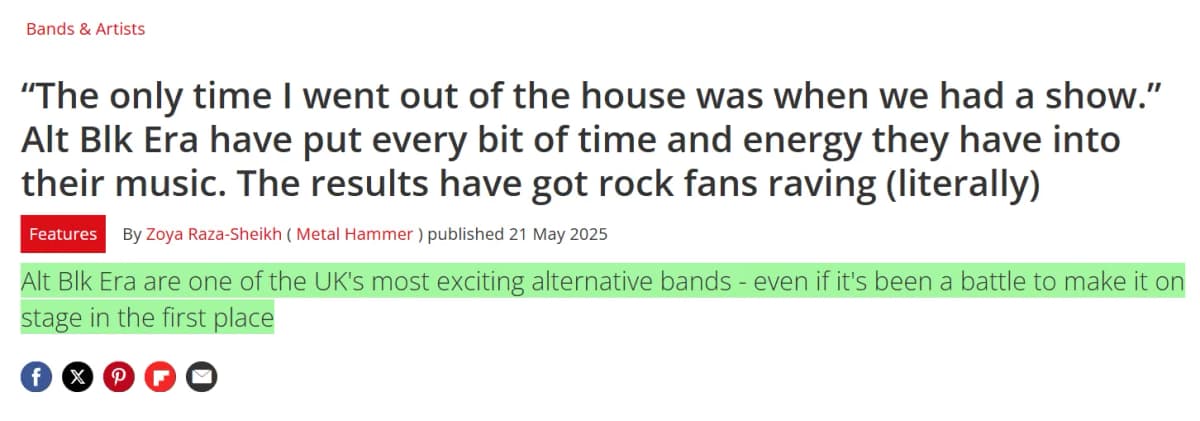
In 2024, they played Glastonbury, Reading, and Download. They earned a MOBO nomination. They collaborated with legacy acts like Wheatus.
And when their debut album RAVE IMMORTAL dropped in 2025, the attention wasn’t manufactured. It was earned.
The industry came to them. Not with basic deals, but with real partnership offers, creative freedom, and respect for their trajectory.
Because ALT BLK ERA didn’t show potential. They showed proof.
Learn How Labels Use Data to Spot Breakouts
Forget gut feelings. Labels now scout artists with the precision of Wall Street traders.
Tools like Instrumental, Musiio, and Sodatone have restructured how A&R teams operate.
It’s no longer just about how you sound. It’s about how you trend.
Labels are using machine learning to scan:
- Your performance across Spotify, YouTube, and TikTok
- Fan engagement rates and social velocity
- Location spikes (e.g., sudden traction in Brazil or Berlin)
- Momentum across micro-genres or niche communities
- Predicted long-term potential based on growth curves
This means a single playlist add or viral moment can trigger an alert in someone’s A&R dashboard.
Before Dance Monkey charted globally, AI tools from a company called Instrumental had already identified her as one to watch.
The system tracked early signs of momentum like playlist adds, rising streams, and strong social engagement.
This happened before the song was even officially released in Australia.
That data pushed her to the top of label watchlists. Labels noticed. The single dropped. It took off. A record deal followed.
She got signed not just because of the song, but because the data made her irresistible.
Step 4: Be Your Own CMO
Have you ever heard of Tai Verdes?
That guy didn't just make music, he ran his own marketing machine, top to bottom, before any label came calling.
When his breakout single “Stuck in the Middle” went viral on TikTok, he kept the momentum going.
With authentic content, consistent brand tone, short-form content, and distribution pipeline, he proved he’s worthy of doing everything on his own.
In an interview, Tai himself said this:

So when you’re your own CMO, you’re getting the best deal for your efforts. They have to agree with your terms. You’re a high-value artist now.
Step 5: Network Without Acting Thirsty
Networking isn’t about chasing people.
It’s about building relationships that actually matter. Labels, managers, producers, they don’t respond to spammy links or one-line DMs.
They respond to value, relevance, and consistency.
Here’s how you do it right.
Take Care of Your Reputation
Your reputation reaches before you do. So before you start networking, make sure you get clean.
Don’t expect a label to clean up your act. They’re not going to fix your sloppy mix, controversies, write your bio, or help you find your aesthetic.
They’re expecting you to show up with:
- Radio-ready production
- A polished EPK
- Cohesive branding across platforms
Labels want to plug into something moving. If they sense they’ll have to babysit, they’ll move on.
You know this rapper?
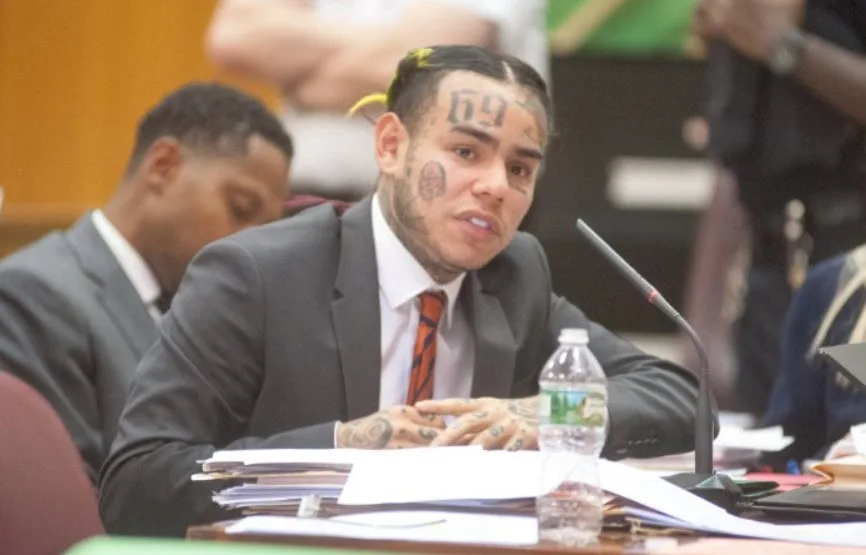
Yes, 6ix9ine!
Before his mainstream breakthrough, several labels reportedly passed on signing him due to concerns about his criminal history, ongoing legal issues, and highly controversial public persona.
This is just one example. Very few get into the spotlight because labels never talk about dropping artists before even picking them up.
This is how they keep their reputation safe.
Follow A&Rs and Industry Pros on Social
Don’t just follow for the sake of it. Curate your feed. Create private Twitter lists for A&Rs. Bookmark Instagram Stories and Reels from producers, curators, and label staff.
Use LinkedIn’s notification tools to stay on top of career shifts and new signings.
When you track what people are posting about, you get the context to engage without sounding random.
Spot the patterns. Jump into the right conversations at the right time.
Comment, Engage, and Ask Smart Questions
No more “🔥🔥🔥” comments. That’s not a connection. That’s noise.
Instead:
- Ask about their take on something they posted
- React to a panel clip with a question about a specific insight
- Share a relevant takeaway from your own journey
For example: “Saw your thread on artist dev metrics. Just curious which one’s your go-to for gauging long-term fan retention. I've been tracking the save rate on Spotify, but curious what you lean on.”
That kind of comment gets attention. It shows you're thoughtful, engaged, and worth remembering.
Go to Events and Be Prepared
Whether it’s a showcase, music conference, or local meet-up, IRL beats URL every time.
Show up with:
- A clean, one-page digital EPK ready to drop via QR code
- A few names researched from the attendee list
- A mindset to offer value (playlist feedback, beat critiques, promo tips)
And after that, follow up within 24 hours with something personal and relevant.
Remind them who you are, what you talked about, and send a link to that thing you said you'd share.
Follow Up With Progress, Not Just Asks
Want to stay on someone’s radar without being annoying? Show progress.
Instead of “Can you help me?”, try:
- “After we met at IndieCon, I ran with your advice. Booked two local shows and my Spotify monthly listeners doubled.”
- “Appreciated your breakdown on performance reels. I shot this one last week. Would love your take on the visual pacing.”
You’re not asking for favors. You’re continuing the conversation. That builds trust, fast.
How to DM Without Being That Person
Cold DMs can work if you get them right. Use the Trifecta Effect: research, personalize, and ask something specific.
Example: "Hey [Name], loved your A&R work on [Artist]. The bridge arrangement on their last single was tight. I'm building a similar fanbase and just wrapped a new track. Would you be open to a quick listen and one piece of feedback?"
It's tight, clear, and shows you’ve done your homework.
The people you're trying to reach aren't gatekeepers. They’re humans with inbox fatigue.
If you treat every connection like a one-and-done request, you’ll get ignored.
If you treat each one like a long-game collaboration, you’ll build a real network. One that vouches for you when it matters most.
Step 6: Pitching to Labels the Smart Way
Pitching to a label isn’t about luck, it’s about precision.
If your email feels like a copy-paste blast, it’s getting skipped. If it reads like a pro intro with something real to show, you get a reply.
Here’s how to do it right.
Craft a Concise, Personal Email
Your first email is your first impression. Keep it brief, personal, and professional.
Lead with who you are, mention something relevant about them or their roster, and close with a clear call to action.
Two to three punchy sentences max.
Example: "Hey [Name], loved your A&R work on [Artist]. I’ve built a similar audience and just dropped a track that’s already landed on three editorial playlists. Would you be open to giving it a quick listen?"
Always proofread for mistakes. Use their name. “Dear A&R Team” is a fast track to trash.
What to Send
Link to a single, well-crafted EPK or pitch page.
Don’t attach files. Don’t send five links. Make it easy for them to scan your music and story in one place.
Your EPK should include:
- Your artist bio (tight, clear, no fluff)
- High-quality photos and cover art
- Top 3–5 streaming links
- Social media handles
- Performance footage (if available)
- Press highlights and notable wins (playlist adds, syncs, etc.)
- Key stats: monthly listeners, engagement rate, followers
- Contact info for you or your manager
Use tools like Canva, Wix, or IndieFlow to build it. Clean design matters.
What to Avoid
- Mass emails with no personalization
- Unfinished tracks or rough demos
- Long-winded backstories
- Multiple links and attachments
- Overhyping with no proof to back it up
Keep the ask clear and the friction low.
Research the Right A&Rs
Not all A&Rs are your audience. Target the ones who’ve worked with artists in your lane.
Start with Genius credits, LinkedIn titles, or label rosters.
Once you’ve got names, engage with their content.
Comment on a release they helped shape. Mention something specific in your pitch. It shows you’ve done your homework.
Bonus: if you’ve connected with them on LinkedIn or social before emailing, your name’s already familiar.
A lazy pitch screams “unprepared.” A thoughtful one says “professional.”
When your music is ready, your brand is polished, and your message is tight, you don’t need to beg. You just need to press send with purpose.
The right pitch opens doors. Just don’t waste your shot.
Step 7: What Happens After You Get a Label’s Attention
Getting a reply from a label isn’t your big break. It’s the first checkpoint in a multi-layered vetting process.
If you show up prepared, you don’t just impress. You take control.
Expect Strategic Conversations, Not Champagne
Once you’re on the radar, you enter the A&R pipeline.
Labels won’t wine and dine you out the gate. They’ll book a call or invite you to the office, and the tone will be exploratory.
These conversations aim to gauge if you’re a low-risk, high-upside asset.
Expect:
- Introductory meetings with A&R scouts or junior team members
- Follow-up sessions with marketing, digital, and live-events teams
- Executive meetings to review deal structure and creative alignment
Every meeting tests chemistry, professionalism, and your ability to clearly articulate both creative and business vision.
Treat each touchpoint like a two-way interview.
The Unreleased Test
Labels aren’t signing your current track. They’re buying into your future. Expect them to request:
- 3 to 5 unreleased songs via private SoundCloud or unlisted YouTube links
- Final or near-final mixes with metadata
- Creative assets: artwork drafts, BTS content, or campaign concepts
- A 90-day roadmap (a simple Notion or Google Doc works)
They’re asking:
- Do you have more than one strong song?
- Are you consistent and intentional across projects?
- Can you deliver without hand-holding?
Some labels may ask for watermarked WAVs or NDAs. You know what? This shows they’re taking things seriously.
Team and Infrastructure
This phase isn’t just about your art. It’s about your operation.
Labels want to de-risk their investment by understanding what machine they’re plugging into.
They’ll ask:
- Who’s on your team (manager, agent, creative, PR)?
- Do you have a booking structure, rollout calendar, or project timelines?
- What are your revenue streams (merch, syncs, Patreon, shows)?
If it’s just you and a close-knit group of collaborators, that’s fine.
But show structure, not chaos. Even a shared Trello board or Airtable shows organization.
Nail the Three Core Questions
This part separates amateurs from artists who are ready to partner. Prep for:
- Why now? Frame this around momentum: "Over the past six months, my last two singles crossed 250K streams, I landed three Spotify editorial playlists, and opened for [notable act] on tour. I’m ready to scale."
- What do you want from a label? Be specific. Is it playlist pitching? Tour funding? Global marketing push? Sync placements? Clarity earns respect.
- What’s your vision for the next year? Offer a real roadmap: "Six singles across two EPs, a 10-city tour, and merch drops tied to each major release. I want to grow my email list to 10K, double my monthly listeners, and build partnerships with three key brands."
Show You Know the Business
High-value artists understand data. So, you better bring:
- Spotify for Artists analytics
- Geo-breakdowns (top cities, fan ages, listener retention)
- Campaign learnings (what worked, what tanked, and why)
It signals that you’re not guessing. You’re iterating like a business.
Just remember, This is a Two-Way Due Diligence Process
You’re not just being evaluated. You’re evaluating them.
- Ask about their vision for you
- Ask how they’ll support your growth
- Ask who you’ll be working with day to day
This isn’t a fan meet-up. It’s a negotiation between two entities. Artists who treat this stage like a strategic partnership are the ones who last.
You’re not just here to get signed. You’re here to sign smart.
Step 8: Vet the Deals Like a Boss
Red Flags to Watch For
If a contract shows any of these, hit pause:
- Ownership terms that never expire
- Royalty splits that hide recoupable costs
- Contracts that touch revenue streams unrelated to the deal
- No reversion clauses or exit paths
- Vague accounting or reporting timelines
These aren’t just fine print problems. They are future regret guarantees.
What a Smart Deal Looks Like
The best deal doesn’t just get your music out. It sets you up to grow.
Here’s what that looks like:
- You own (or eventually regain) your masters
- Royalties are calculated on gross, not net
- The contract has a clear term and performance benchmarks
- You keep as many revenue streams as possible
- Transparency around payments is non-negotiable
You built the leverage. You built the fans. The right deal helps you scale that, not surrender it.
If a label doesn’t respect that, let them chase someone else.
Hire a Real Lawyer
Not your cousin who "knows contracts." You want an actual entertainment attorney. They’ll spot buried clauses, translate legal jargon, and push back on exploitative terms you might not notice until it’s too late.
Expect to pay $200–$500/hour or negotiate a flat fee for deal review, but it’s easily the best money you’ll spend in your career.
Ask for Marketing and Tour Support in Writing
If a label claims they’ll help grow your brand, ask: How exactly?
Do they offer:
- A marketing budget with benchmarks?
- Access to publicists or DSP pitching teams?
- Tour support (gear, travel, hotels)?
- Video funding or director access?
Ask for numbers and deliverables. If they can’t give you details, they don’t plan to deliver.

Marketing-Kopf, Schreiber-Herz, Musiker-Seele. Bei SoundCampaign kümmere ich mich um SEO, löse Marketing-Engpässe auf und schreibe die Inhalte, die Artists wirklich weiterbringen. Ich bin selbst Musiker, deshalb schreibe ich meistens aus beiden Perspektiven. Wenn ich das nicht gerade tue, sitze ich in meinem kaputten Home-Studio, schreibe und produziere und jage immer noch einem Sound hinterher, der es eines Tages vielleicht in die Charts schafft.
Bewirb deine Musik
Echte Playlist-Platzierungen, TikTok-Videos & Meta-Anzeigen

Vertraut von 100.000+ Künstlern & Labels
Keine Bots, niemals.
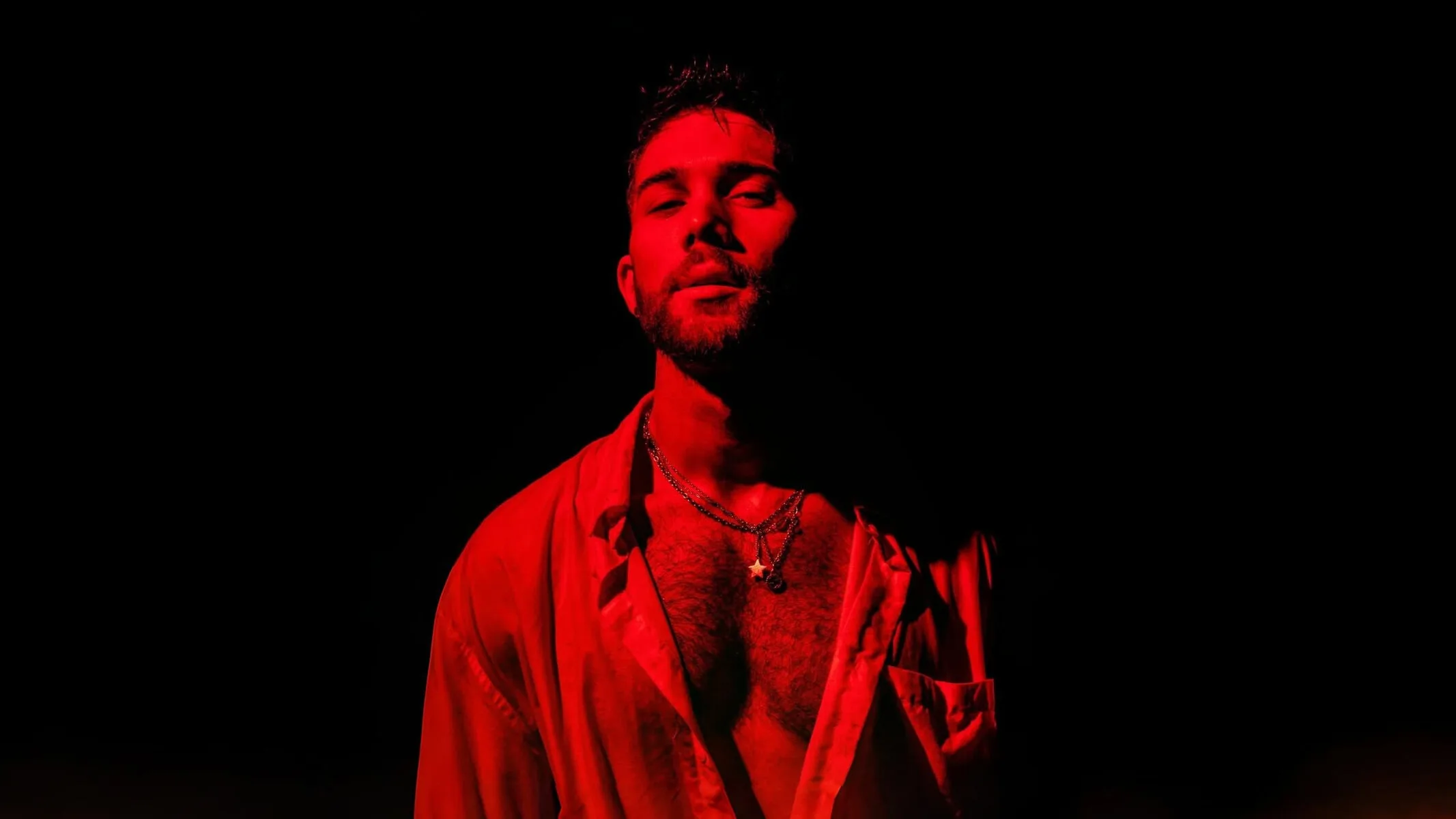
Echte Case Study
Wie SoundCampaign Grant Knoche vor 460.587 Hörer für WOOHOO brachte
Ganze Geschichte lesen
Bereit, mit deiner Musik gehört zu werden?
Schließe dich Tausenden unabhängigen Künstlern an, die mit SoundCampaign echte Playlists, Creator und Fans erreichen, mit ehrlichem Feedback bei jedem Schritt.
- Keine Bots, niemals
- KünstlerschutzprogrammWenn ein Kurator oder Creator deinen Track nicht bewertet, erstatten wir dir dein Guthaben. Dein Budget ist immer geschützt.
- Behalte 100% deiner TantiemenWir sind ein Promotion-Service, kein Label. Wir behalten niemals einen Anteil deiner Streams oder Tantiemen ein.