Promotion Musicale
Spotify Algorithm Explained: 10x Your Streams

Nadav Peleg
Mis à jour · 11 min de lecture
I know your songs are not performing as they supposed to be, right? Well on this page, you'll find Spotify algorithm explained in plain English.


You just dropped a few tracks you knew were fire?
But, the monthly streams look like this:
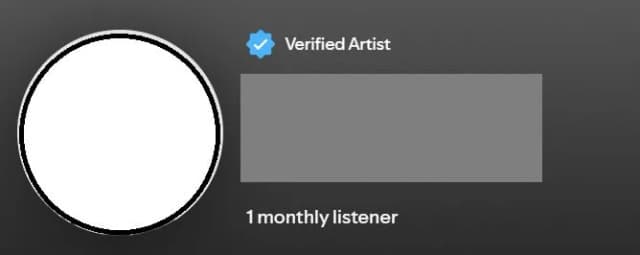
No streams, no saves, no love. Just vibes lost in the void.
And you're left wondering, is the Spotify algorithm rigged?
Well..
It’s not your music or technical glitches. It’s the algorithm that you’ve been playing wrong.
Spotify isn’t just a music app. It’s a billion-dollar recommendation engine that decides who gets ears and who doesn’t.
So, how does Spotify serve songs? Let’s see!
The Spotify Algorithm Explained: Why It's Your Ticket to Glory?
Even though you already know how it works, let’s just recap how it’s been for you so far.
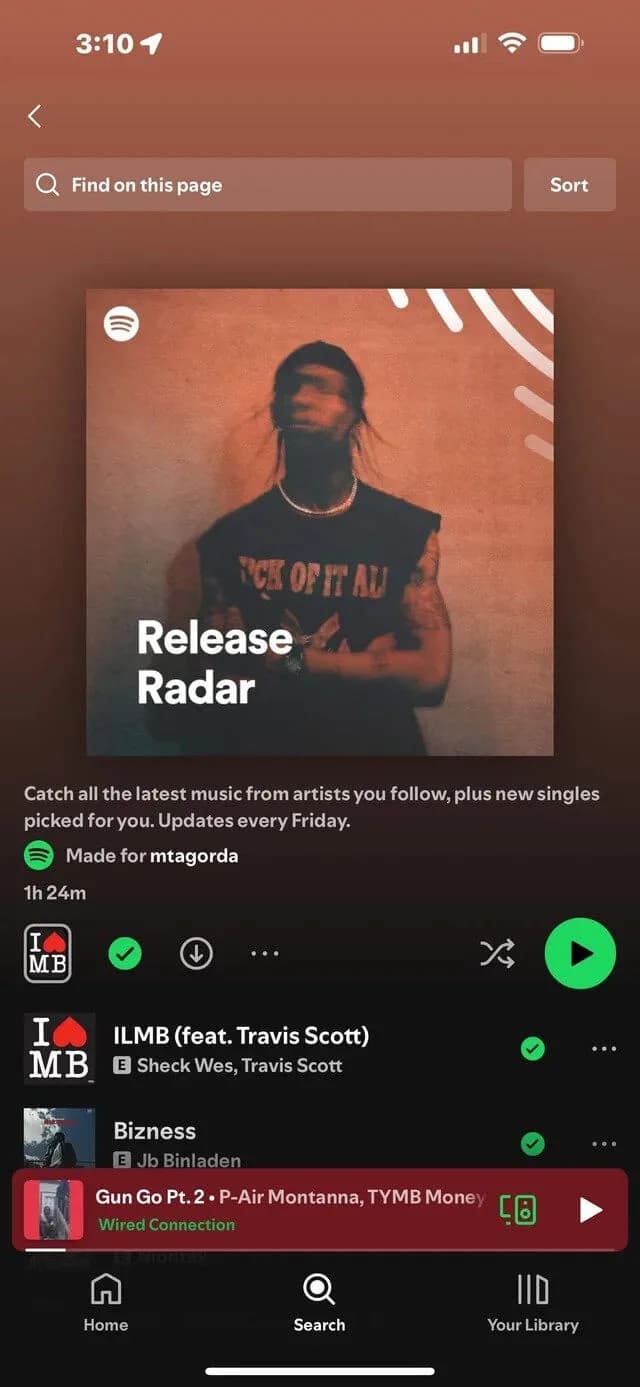
Sometimes, you find relatable tracks here:
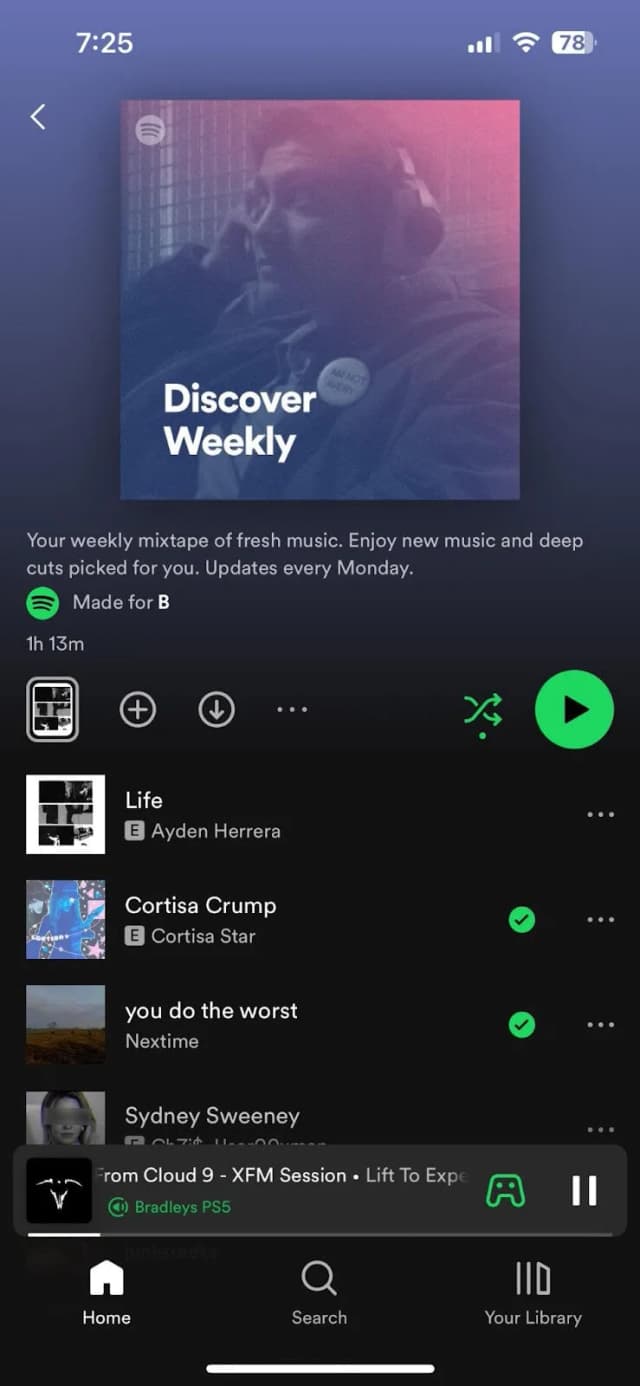
Other times, it pops up here:
And the list goes on:
- Home feed
- Spotify Radio & Autoplay
- Spotify Wrapped Algorithm
- Spotify Shuffle Algorithm
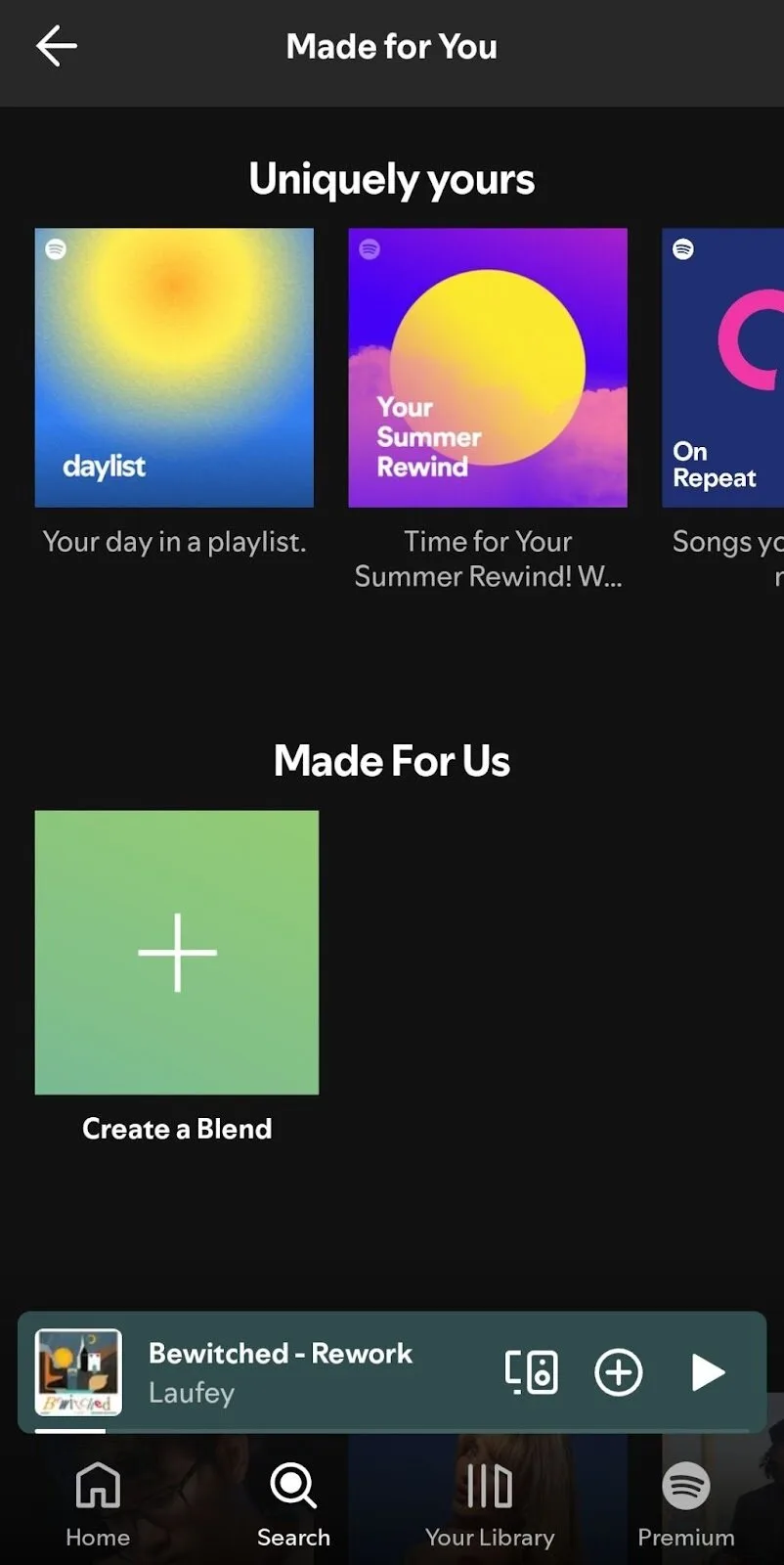
- Made for You
- Trending Albums for You
- Popular New Releases
- Popular Radio
- Top Picks in New Music
- Etc.
Even after having so many filters, Spotify is still testing out to make you listen more music. That’s how they became addictive for listeners.
But, what if we turn the tables and use Spotify’s ready-made algorithm for our own advantage?
Yeah, that’s possible. Let’s see:
How Spotify Algorithm Works? The Technical Side!
Spotify isn’t just pushing tracks randomly, it’s running a serious operation behind the scenes. Think machine learning meets music curation.
Here's how the whole thing works (without the geek overload):
Track Profiling: How Spotify Understands Your Song
As soon as you upload a track, Spotify starts building a digital profile for it using two core techniques:
#1 - Content-Based Filtering
Spotify listens to the song the same way your brain might. It breaks it down by:
- Audio features like tempo, mood, energy, and instrumentation
- Metadata such as genre, language, lyrics, and tags you add on Spotify for Artists
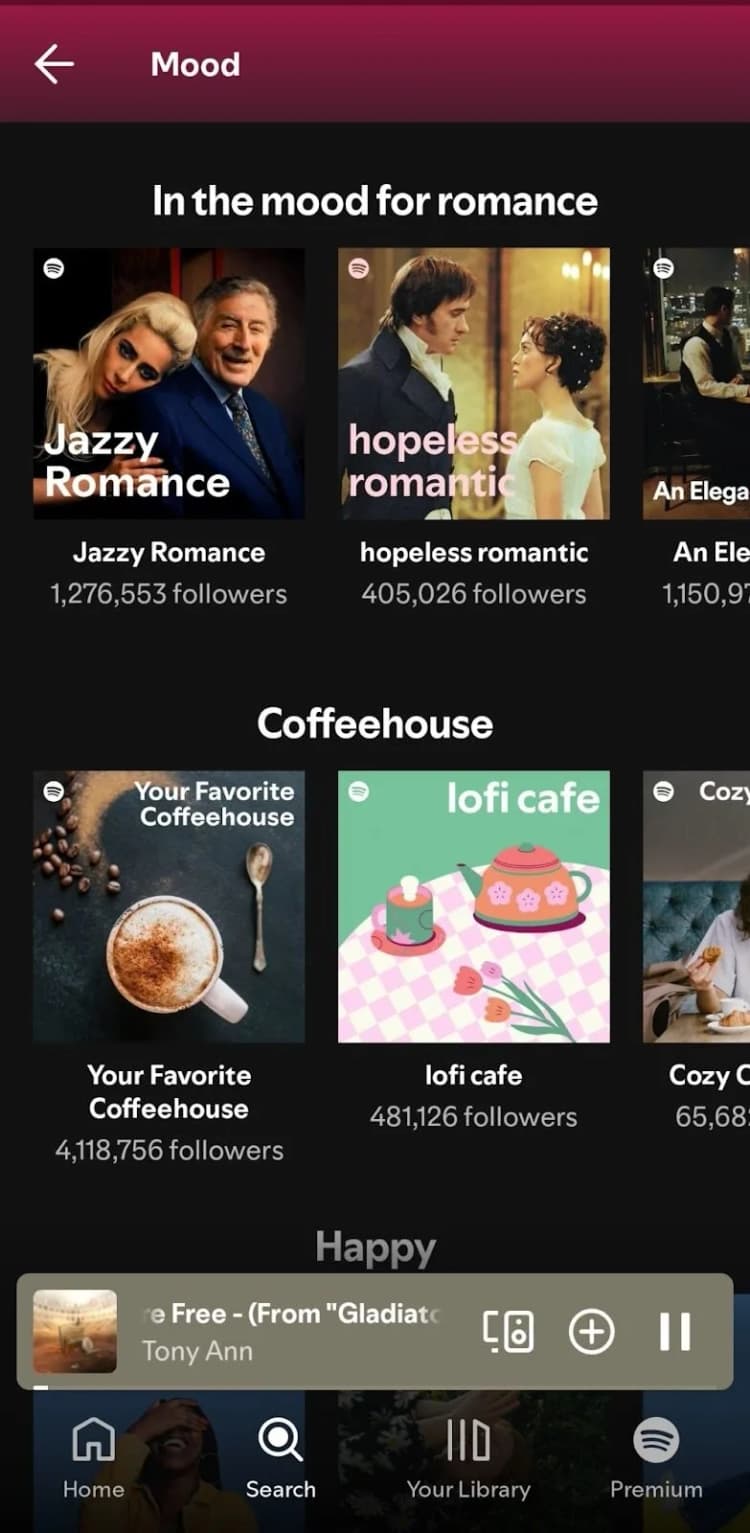
That’s why you get to see such stuff too:
#2 - Collaborative Filtering
Spotify also sees how your track behaves in the wild. If people who listen to Song A also love Song B, and your track is behaving like Song B.
You know what that means? That means you’re gonna get recommendations too.

Audio Feature Analysis: What Spotify Hears?
Spotify scans every track for 12+ audio characteristics. Some of the big ones:
- Is it made to move? Can you dance on it?
- Does it go hard or mellow out? Energy matters!
- Is it happy, sad, dark, euphoric?
- Can it help you boost your adrenaline while working out?
NLP: Lyrics, Blogs & Playlist Context
Spotify’s machine learning doesn’t stop at sound. It also has the capability to read:
- Lyrics (Spotify’s system picks up the themes in your song. Is it sad? Angry? Hopeful?)
- Online buzz (It scans blogs, social media, and user-generated playlists to understand how your song is being perceived in the world.)
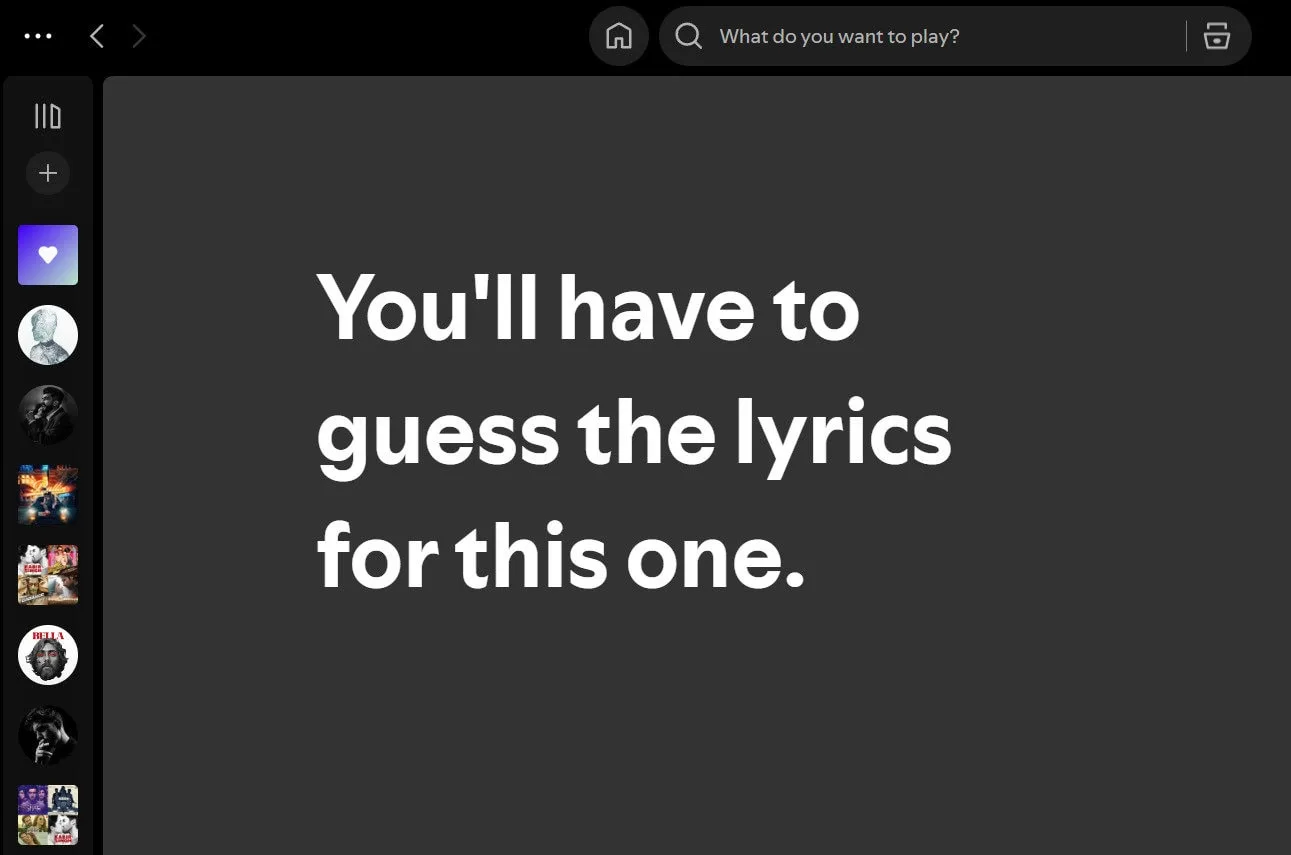
So, make sure you make your songs don’t end up looking like this when a listener clicks on the ‘lyrics’ button.
User Taste Profiles: Why You Get What You Get
Spotify builds a real-time, progressive taste profile for each user by analyzing:
- What they listen to regularly?
- What they save, skip, or repeat?
- What they listen to during certain moods, times of day, or in specific contexts (e.g., workouts, study sessions)
Each user has multiple taste clusters that adjust over time. This is how Spotify makes recommendations that feel spot-on even as your taste shifts.
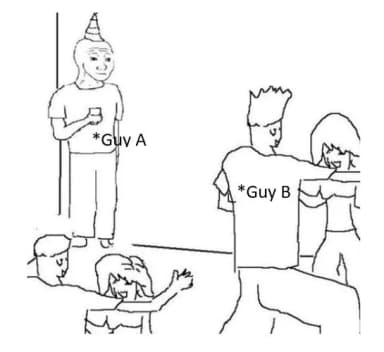
Even if you go from Guy A to Guy B, Spotify will know it faster than the people around you.
Real-Time Recommendation System (a.k.a. Collaborative Filtering 2.0)
Spotify uses patterns between users to deliver smart recommendations.
👉 If two people like similar music, and one of them finds a new song, that song is likely to be recommended to the second person too.
It’s like Netflix’s “Because you watched…”
Spotify’s Algotorial System: Humans + AI = Fire Playlists
To put it simply, I’d say Spotify Algotorial is like when:

Algotorial is Spotify’s hybrid playlist system that combines human curation with algorithmic personalization.
Here’s how it works:
First, editors curate the pool Spotify’s editorial team selects a wide range of tracks based on theme, mood, or cultural trends. These songs are chosen using industry knowledge, cultural awareness, and past performance data.
Second, the algorithm personalizes it for you From that curated pool, Spotify’s machine learning models build a unique playlist for each user. It selects and orders tracks based on your listening history, behavior, and musical taste profile.
Third, continuous optimization As users engage, Spotify collects data to improve future recommendations. This loop helps the playlist get better and remain relevant.
With Algotorial, no two users hear the exact same version of a playlist. It's Spotify’s way of delivering mass personalization at scale. Perfectly curated by humans, tuned by machines.
How Spotify Algorithm Works: The Non-Technical Side?
Let’s get this straight:
➔ Getting More Streams ≠ Algorithmic Support
There are other metrics that actually move the needle on Spotify, and more importantly, how you can use them to your advantage.
Such as..
Save Rate
Save rate is king. Every time someone saves your track, Spotify notes it down in their system.
This is a quality signal that your song isn’t just background noise, it has the power to keep users on the platform.
So when users come back to the platform over and again, who’s gonna reap the benefits? Of course, you know the answer!
Playlist Adds
Let’s talk playlists. Getting your track added to a playlist is like a free ticket to the top.
Editorial playlists, algorithmic playlists (like Release Radar, Discover Weekly) and popular community playlists are gold.
When you get added to Spotify playlists, your song gets exposed to new listeners who are actively searching for new music.
The more playlist adds you get, the more Spotify’s algorithm pushes your track to the top.
By the way, SoundCampaign has helped artists get 152.7 million streams through Spotify playlist curation.
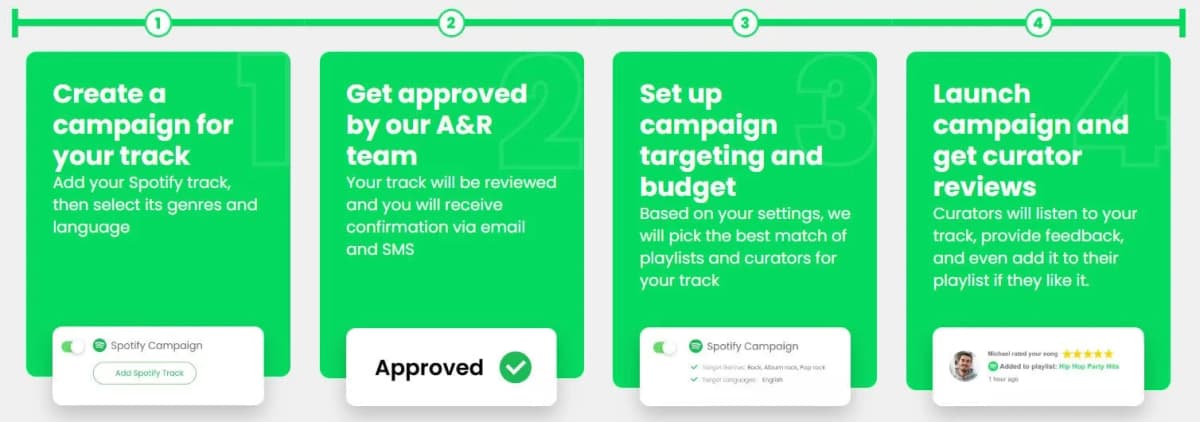
You send the song, receive feedback from real playlist curators, and get added if they agree.
This is how it works:
Skip Rate
A high skip rate is the kiss of death for your track. Spotify looks at how quickly people hit skip.
If they’re out within the first 10 seconds, it’s like your song had premature ejaculation.
To fix this, you gotta keep your intros engaging and build-ups tight.
Get to the good stuff fast. If people stick around and listen all the way through, you’ll earn that algorithmic orgasm.
Repeat Listens
Repeat listens are like a gold star on your track. The more someone listens to your song, the more likely Spotify will recommend it to others.
It’s all about the replay value.
That’s why so many talented artists don’t ever make it, and mainstream rappers do. Won’t take any name here, but you can guess who I’m talking about.
If you want to trigger this, you should craft tracks that people want to hear again and again.
Think about hooks that won’t leave their head, lyrics they can’t forget.
The more addictive the song, the better the algorithm treats it.
As an artist, I’d recommend that you make a list of the songs you repeat and figure out why.
Maybe… You can start with songs like ‘Shape of You’ or ‘Hotline Bling.’
Source of Stream
Not all streams are created equal. Spotify cares about where your streams come from.
Streams from editorial or community playlists are high-value.
Streams from places like TikTok or shared links are just as powerful.
When your music gets attention from outside, it signals to the algorithm that you have a growing fanbase.
If your fans are bringing in streams from social media, expect bigger algorithm boosts.
You’re probably wondering, what doesn’t work?
Well… If you think you can game the system with bots or paid streams, you know how that’s gonna play out. The billion dollar algorithm isn’t built to be fooled.
Shares & Follows
When someone shares your track on their profile, it tells Spotify that this song is worth sharing. It’s a vote of confidence.
Same goes for the following. Getting followers means people are coming back for more. If people like your music enough to hit follow, the algorithm notices.
And next time you drop something new, your chances of being heard increase.
How to Trigger Spotify Algorithm Like a Pro Artist
Phase 1: Before the Release
Set up your metadata and genre tags correctly
The right metadata helps Spotify understand your track and serve it to the right listeners. Get it right from the start.
Encourage meaningful pre-saves
Don’t just ask for pre-saves; make them count. Engage your fans and show them why this track matters before it drops.
Plan for early traction within 48 hours
Spotify values early momentum, so focus on generating buzz right after your track is live. The first 48 hours are crucial for triggering the algorithm’s attention.
Phase 2: Launch Week
Focus on Quality Traffic, Not Just Numbers
Let’s say you just share your newly released song on your WhatsApp status. Do you think that’s gonna play in your favour?
No, the people who know you don’t care, especially that uncle who shows up once in a while and disappears.
They’ll open your link for curiosity and then close it within 10-20 seconds. You know how much it’s gonna mess up with your skip rate.
Direct Saves > Streams
We’ve already talked about how saves can get you the limelight. Now, let’s kick it up a notch. Before and after your release, why don’t you try these?
- Fan Contest: Reward the fan who saves the most tracks with a shoutout, personalized message, or exclusive access.
- VIP Pre-Save: Make pre-saves feel like an event by offering exclusive content like behind-the-scenes footage or early access.
- Playful Guilt-Trip: “Look, if this song doesn’t hit X saves in the next 48 hours, I’m locking up my music for the next two months. No pressure, though... but, you know, kind of a big deal.” (Be cautious tho, this could fireback)
- Influencer Boost: Get influencers in your genre to promote your pre-save link and share why it matters.
- Cause-Driven Saves: For every pre-save, I’ll pay $1 for a cause like supporting education for underprivileged kids or fighting climate change. (Very powerful, you can even make a song around the cause)
Avoid the “Empty” Promo Blasts
No one wants to see generic spam. Drop the mass promo posts and go for real, personalized content.
Tell the story behind your track.
Share the creative process. Engage with your fans like they’re part of your journey. Give them something they care about, not just “buy my stuff.”
Just remember, people buy your story not the music. Make sure you keep sharing BTS, how you made that song, where you got the inspiration for your track, and keep the story alive.
Phase 3: Post-Launch Algorithm Boost
Plan Collaboration Before Launch
Some artists are doing way better on Spotify than YouTube. So before you launch your tracks, handpick these artists and collaborate.
For instance, Joji’s success on Spotify is way more than YouTube.
Just look at the numbers here:
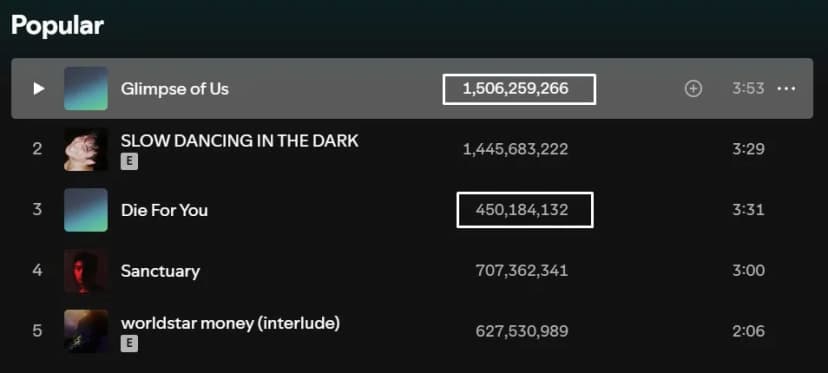

Just compare his ‘Glimpse of Us.’
This song had 1.5 billion streams on Spotify. On YouTube, it’s almost 40% less than that.
So, you gotta pick such artists for yourself so that you can be a part of the hype.
Get into Niche Playlists
Target niche playlists within your genre. These playlists have dedicated listeners who are more likely to engage and save your track.
Being added to these playlists means your song’s getting in front of fans who are already primed for your style.
The algorithm takes note of these engaged listeners, and this helps your track gain traction getting into editorial playlists like Discover Weekly.
Keep Sharing the Memories of Your Journey
Don’t let the story end after the release.
Keep engaging your fans by sharing stories that you never shared, new acoustic or electro versions of the old songs, or even fan reactions.
Re-sharing moments from your journey gives your song a personal touch and shows the algorithm that there’s ongoing, genuine fan interest.
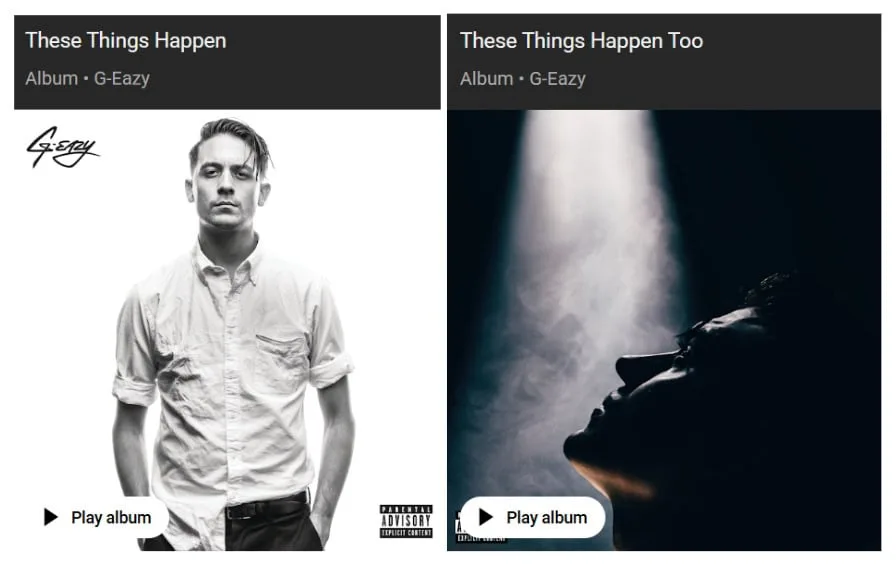
By the way, G-Eazy took this approach to a whole new level.
He dropped an entire album named after the album he did 7 YEARS ago!
Final Advice!
When a listener saves your track, plays it on repeat, or adds to their personal playlist, that's worth more than 100 passive streams.
So instead of chasing numbers, focus on creating those genuine moments of connection. Share the story behind your music. Engage with fans who actually care.
You start doing that and you'll be ahead of 90% of the people in the game.

Fondateur et PDG de SoundCampaign
Je suis Nadav. Je faisais de la musique avant de construire tout ça, et c'est vraiment de là que vient mon intérêt pour le marketing. Ce que je préfère, c'est la partie analytique : d'où viennent les streams, ce qui a bougé et ce qui n'a pas bougé. J'ai fondé SoundCampaign pour donner aux artistes une exposition réellement authentique. Ça m'a pris bien plus de temps et d'efforts que prévu, et ça n'a pas vraiment changé depuis.
Promouvoir ta musique
Vrais placements en playlist, vidéos TikTok et publicités Meta

La confiance de 100 000+ artistes et labels
Jamais de bots.
Étude de cas réelle
Comment SoundCampaign a mis Grant Knoche devant 460 587 auditeurs pour WOOHOO
Lire l'histoire complète
Prêt à faire entendre ta musique ?
Rejoins des milliers d’artistes indépendants qui utilisent SoundCampaign pour atteindre de vraies playlists, des créateurs et des fans, avec un retour honnête à chaque étape.
- Jamais de bots
- Programme de protection des artistesSi un curateur ou un créateur n’écoute pas ton titre, on te crédite en retour. Ton budget est toujours protégé.
- Garde 100% de tes royaltiesOn est un service de promotion, pas un label. On ne prend jamais de commission sur tes streams ou tes royalties.