Spotifyプロモーション
How to Get on Spotify Playlists in 2026: Proven Strategies

Nadav Peleg
更新日 · 9分で読了
You want to learn how to get on Spotify playlists? Read this blog for proven strategies that can definitely land you into some high-quality playlists.


Getting your music on Spotify playlists is a game-changer.
With over 696 million people using Spotify every month, playlists are one of the best ways to reach new listeners and get your music discovered.
In this guide, you’ll find fresh, practical tips to boost your chances. On top of that, you’ll learn how to get on Spotify playlists with proven strategies.
Why Playlists Matter for an Artist
The total number of Spotify playlists topped 4 billion in 2025.
Out of these, more than 3,000 are official editorial playlists curated by Spotify’s team across genres and moods.
Some popular editorial playlist examples include Today’s Top Hits, New Music Friday, and Fresh Finds which is dedicated to emerging artists.
Algorithmic playlists, like Release Radar, Discover Weekly and Spotify Radio, extend reach even further, with 66% of users listening to personalized playlists regularly.
And don't forget micro-playlists. These smaller, niche lists target specific moods, genres, and audiences. They may be smaller but often bring highly engaged listeners.
Combining editorial, algorithmic, and micro-playlists is the winning formula for artist growth.
Sources: SoundCampaign, Artist Push, Spotify
Optimize Your Spotify Profile
Your profile is your stage on Spotify.
Millions of fans around the world visit artists’ profiles every single day, and 90% of them interact with the page in some way.
Key features to optimize:
|
Feature |
What to Do |
|---|---|
|
Profile Photo & Header |
Use clean, high-res, brand-consistent images. |
|
Bio/About Section |
Write a compelling story, include genre, city, influences, and a call to action. |
|
Artist Pick |
Pin your newest track, album, or a key playlist. Update often. |
|
Canvas (Looping Video) |
Add a short vertical video (3–8 sec) to tracks, which boosts engagement. |
|
Social Links |
Connect Instagram, TikTok, website, and use Spotify Promo Cards. |
|
Playlists |
Curate personal or genre playlists and link them to your profile. |
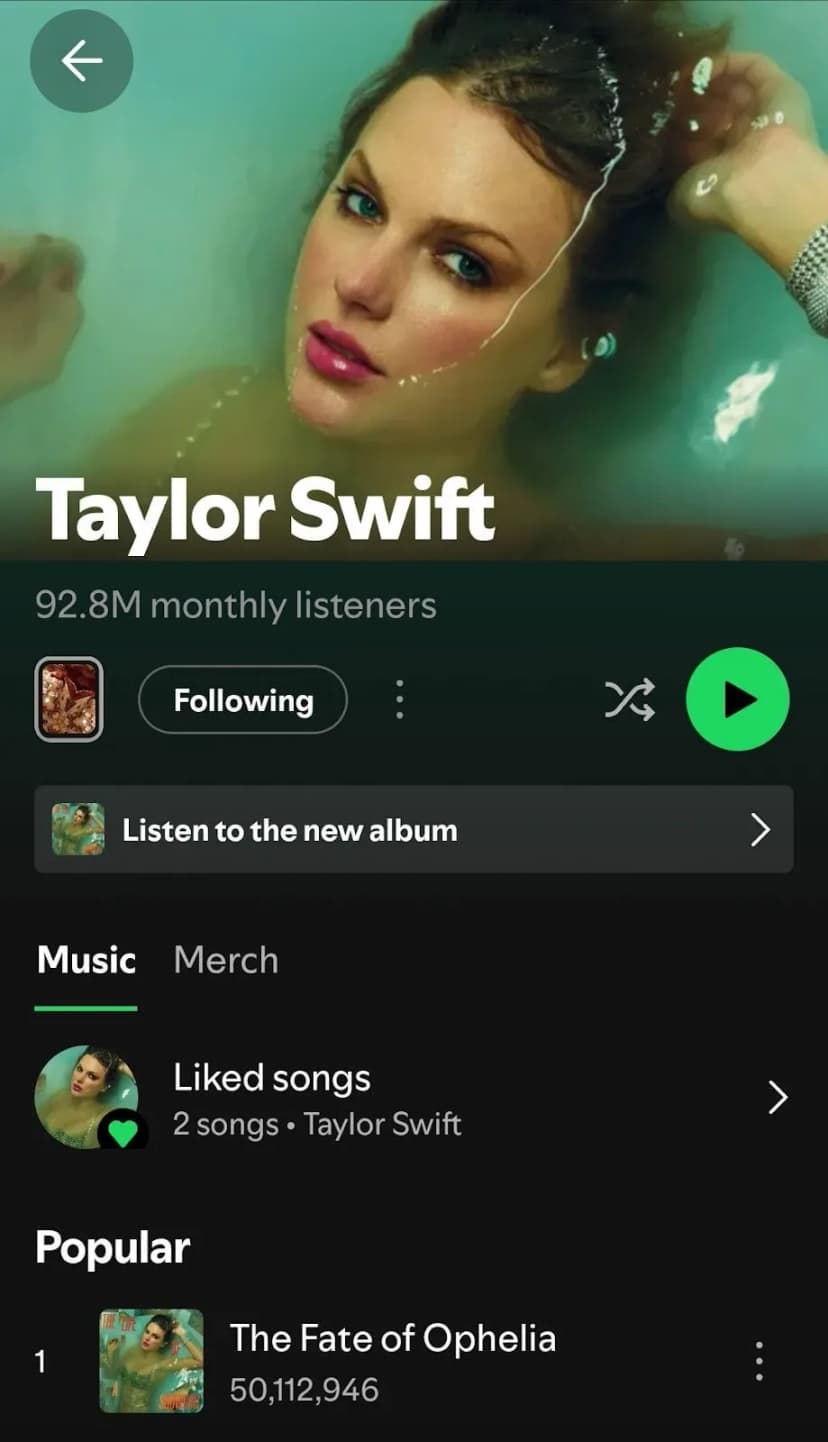
Here are some examples of artists known for optimizing their Spotify profiles effectively:
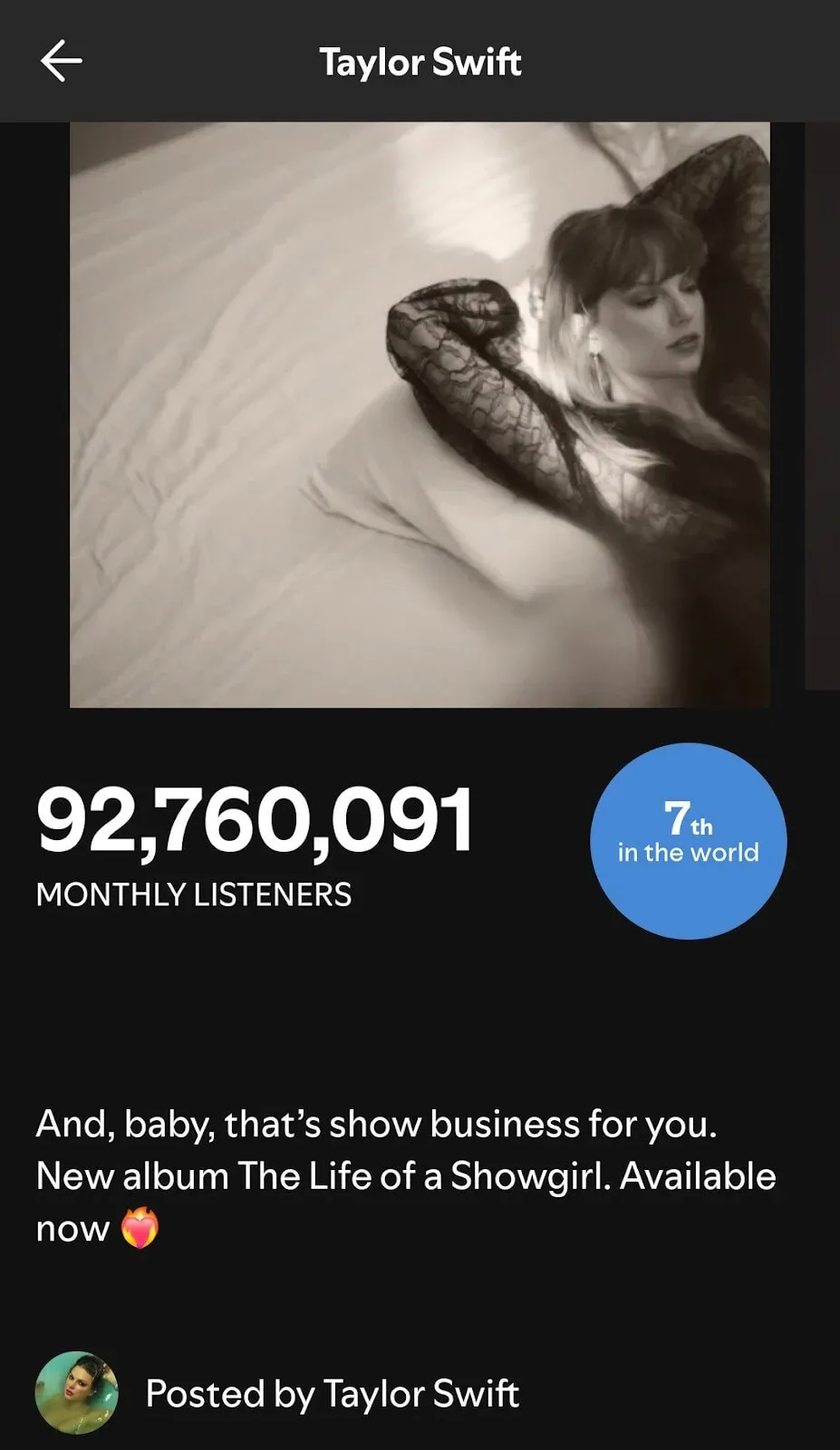
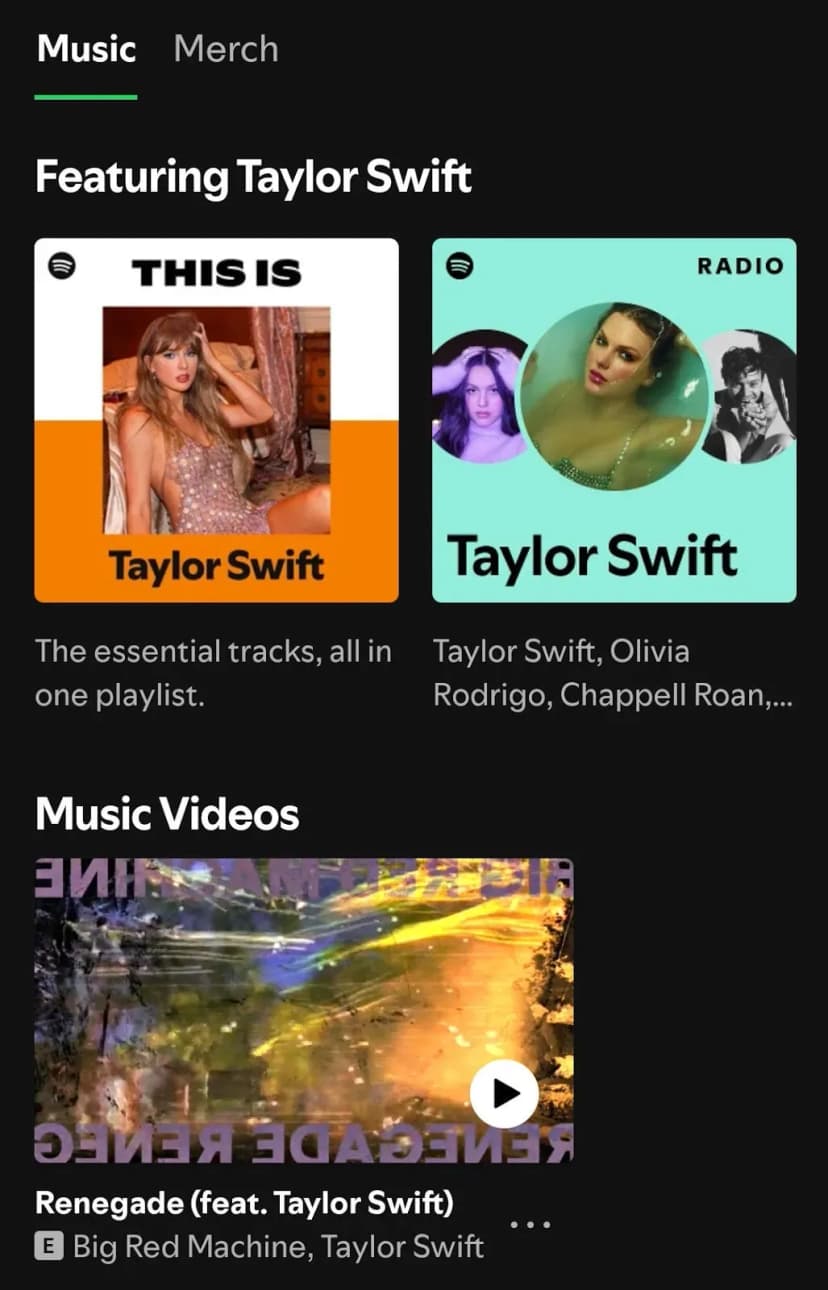
Taylor Swift - She has a highly curated profile with up-to-date bios, professional images, and exclusive playlists.
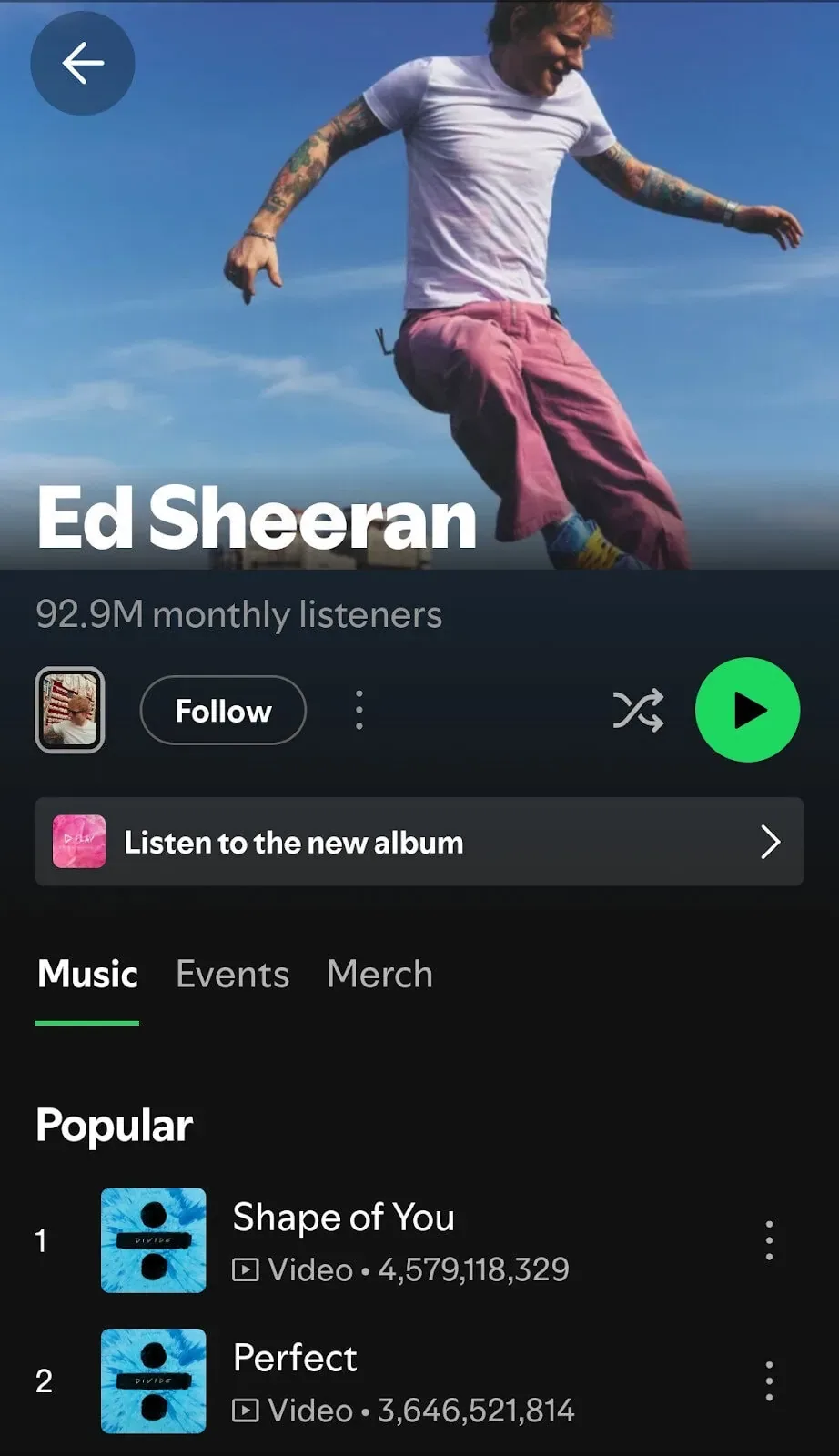
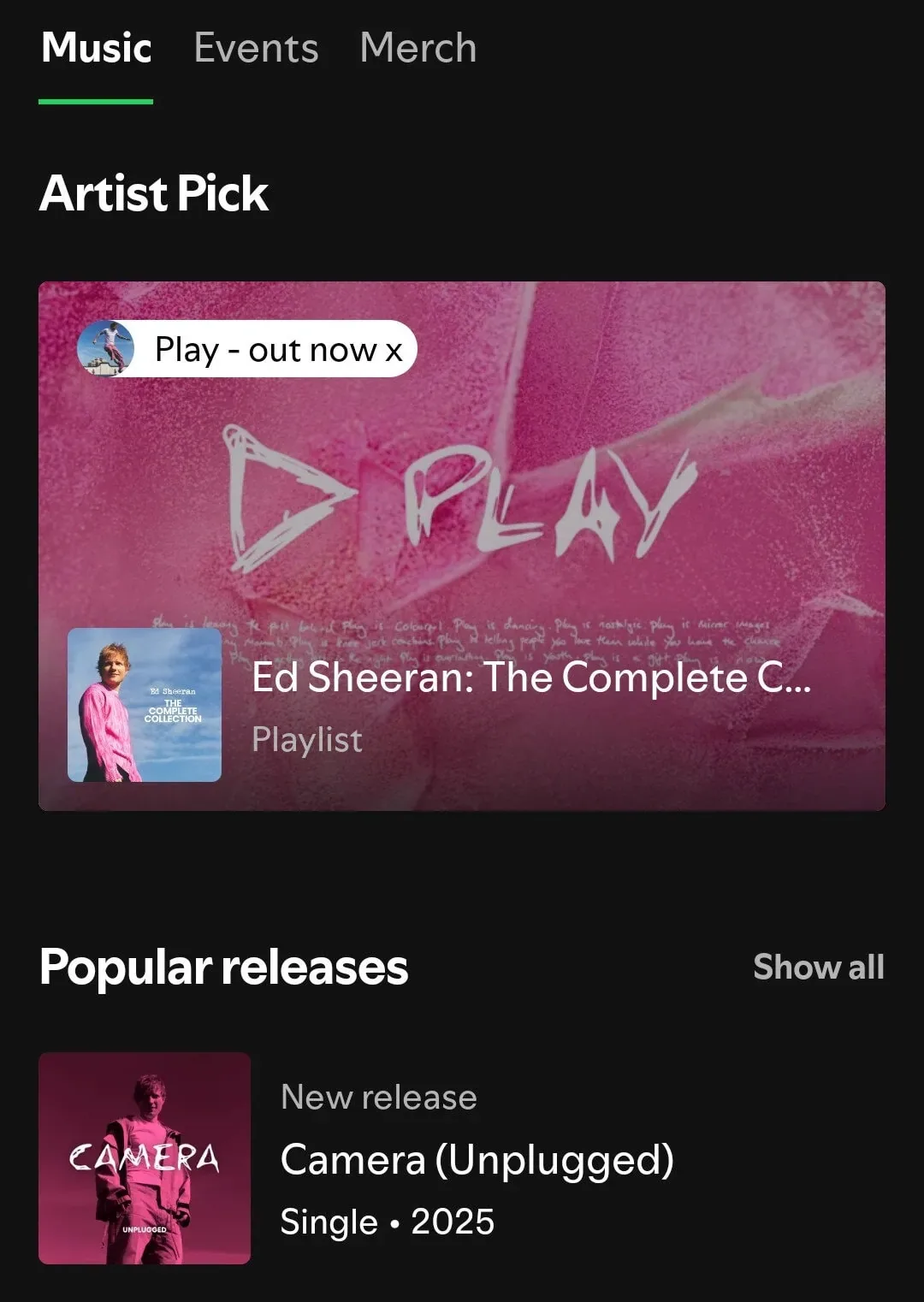
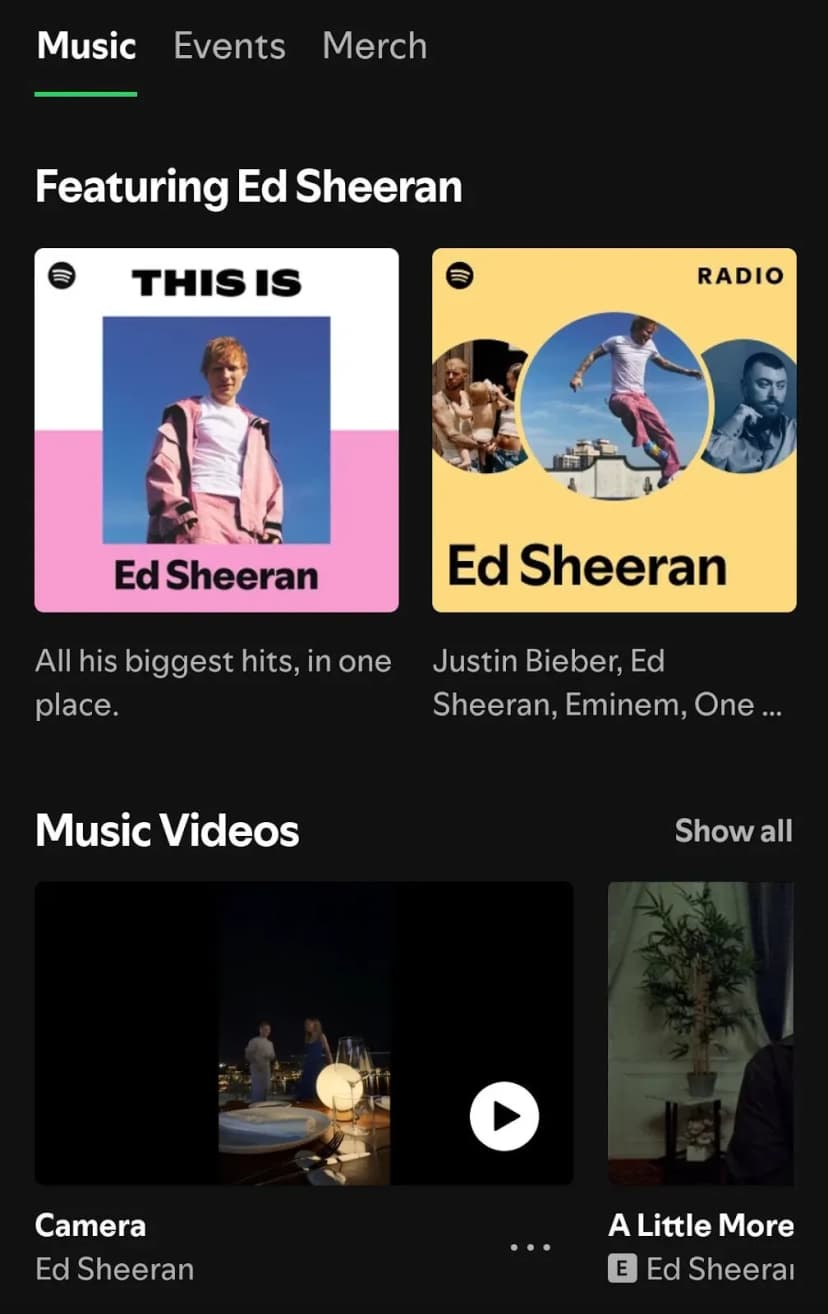
Ed Sheeran - He has a well-organized profile with regular new releases, well-tagged music, and strategic use of playlists that include both his music and collaborations.
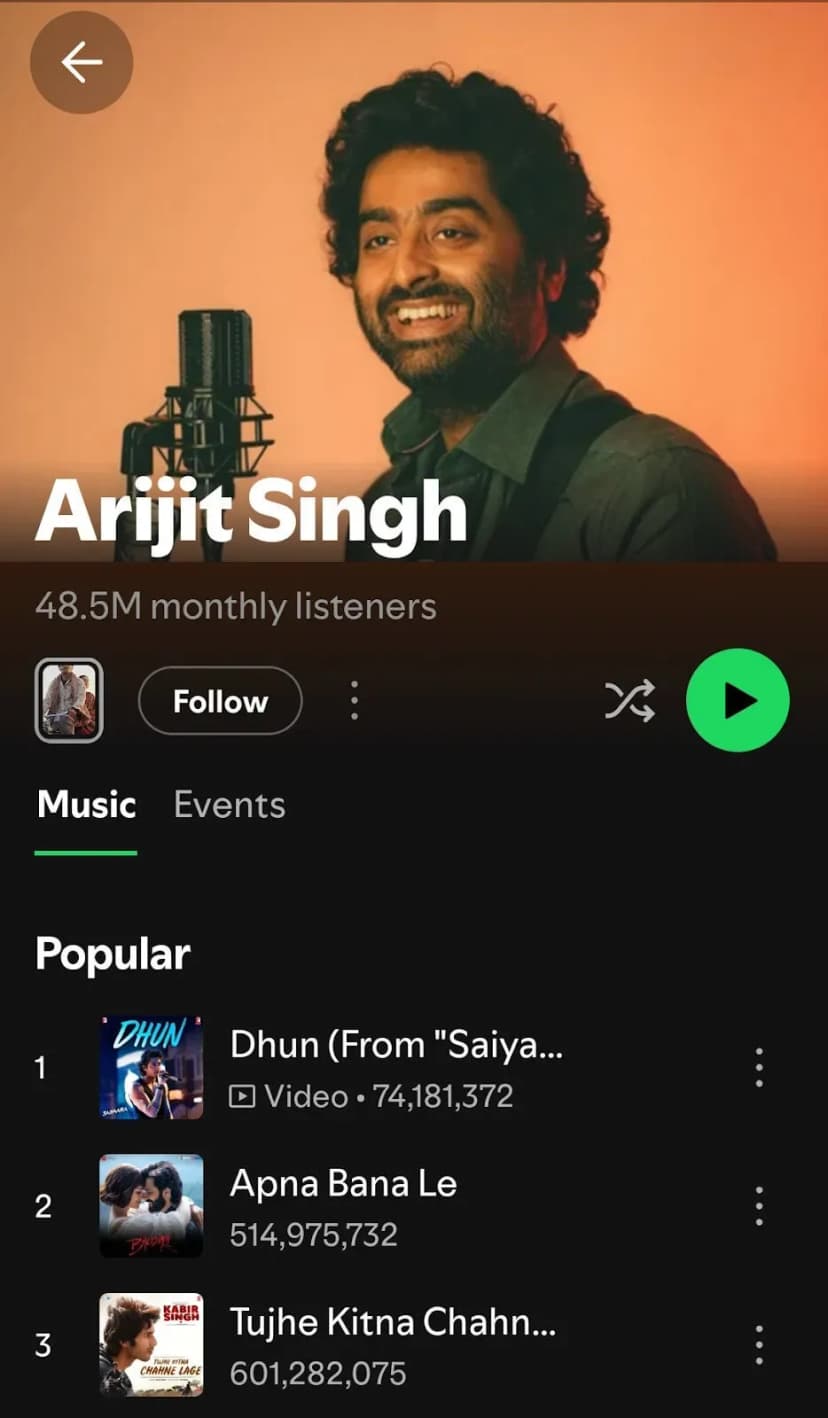
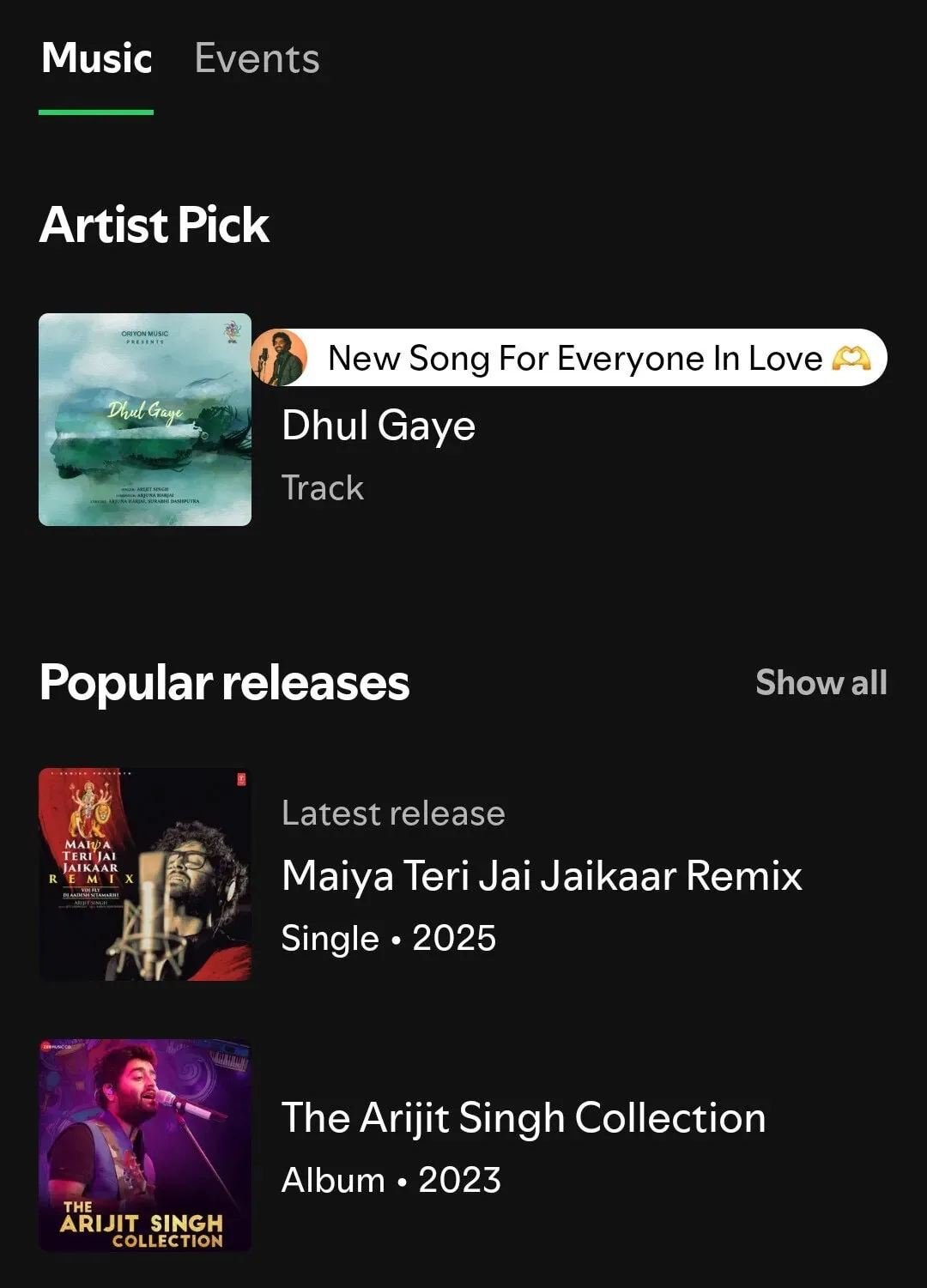
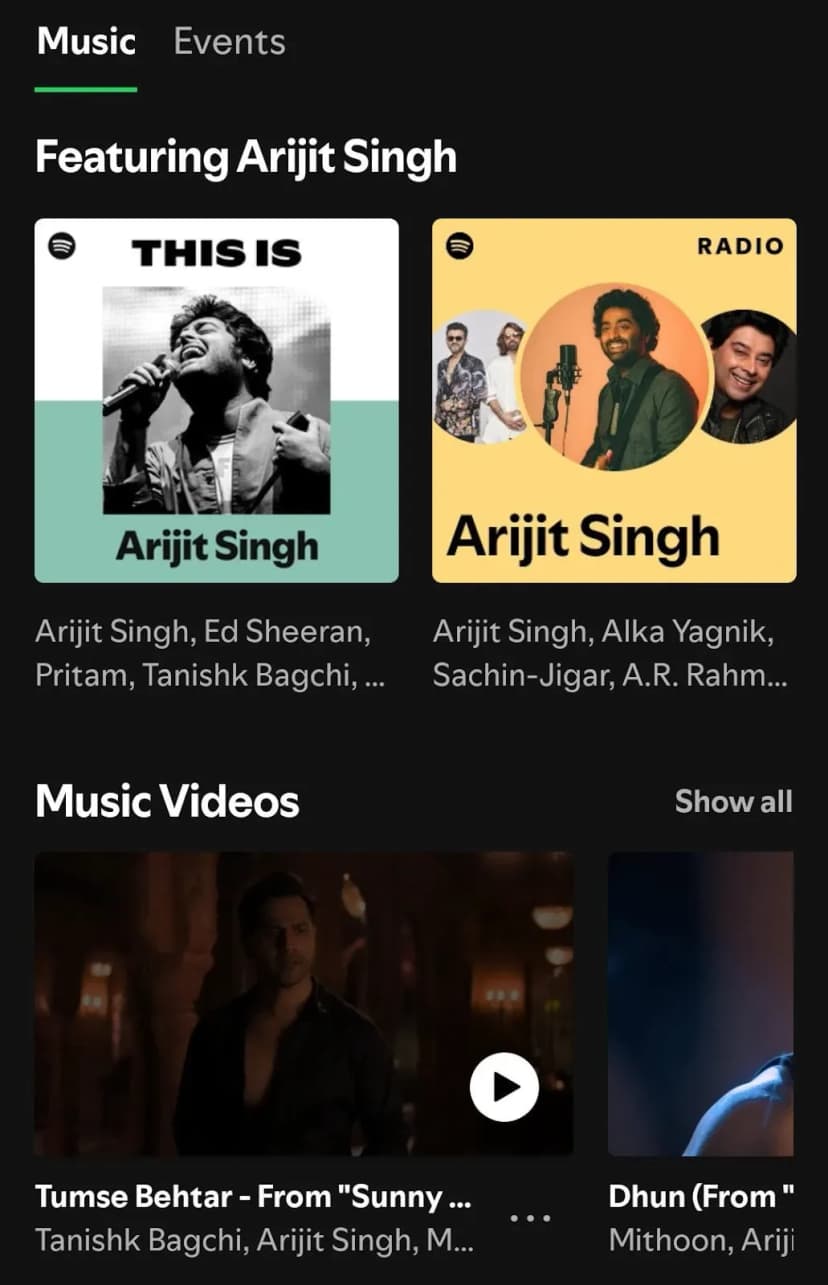
Arijit Singh - His profile is an example of consistent engagement and careful catalog management, especially catering to his vast fan base on the platform.
Pro Tip: Don’t underestimate metadata. It’s what helps your music get discovered. Here’s how to structure it to catch the attention of algorithmic playlists:
|
Step |
Action |
Why It Matters |
|---|---|---|
|
Basics |
Use correct track title, artist name, release date |
Helps Spotify correctly identify and categorize your music |
|
Genre & Mood Tags |
Add relevant genres and moods |
Guides the algorithm to group your song with similar music |
|
Profile Optimization |
Complete Spotify for Artists profile |
Shows you're active; improves your presence |
|
Build Pre-Release Buzz |
Use pre-saves and share your profile |
Boosts followers and early engagement, aiding playlist entry |
|
Song Intro |
Make first 30 seconds engaging |
Keeps listeners from skipping, a big plus for the algorithm |
|
Listener Engagement |
Encourage saves, playlist adds, and repeats |
Signals strong song potential for playlists |
|
Early Submission |
Submit tracks at least a week before release |
Gives Spotify time to analyze your music |
|
Streaming Momentum |
Aim for 5,000–10,000 streams in first 1–2 weeks |
Early success helps trigger algorithmic playlist placement |
|
Regular Releases |
Keep releasing music consistently |
Keeps algorithm favoring your profile and music |
|
Analyze & Adjust |
Track stats like saves, skip rate, repeats |
Helps refine strategy and improve future algorithm hits |
A well-maintained profile can increase streams and saves, builds credibility for playlist curators and improves algorithmic recommendation chances.
Sources: Spotify, Loop Solitaire, SoundCampaign, Symphonic, SubmitHub
Produce High-Quality Music and Test Releases
Great playlists start with great music.
When you combine creative vision with testing and analytics, every new release gets better and closer to playlist-worthy.
How can you do this?
- Release singles or short EPs to test what works.
- Use Spotify for Artists analytics to track which songs perform best.
- Watch stats like saves, listener retention, and playlist adds. Let your audience guide your choices, then iterate based on real data.
- Adjust your production and marketing to build on what connects.
- Release consistently to build momentum.
Tracking your data helps you craft music that resonates with real fans and playlist curators.
Sources: Spotify, Decent Music PR
Craft an Effective Pitch
Pitching Spotify’s editorial playlists takes preparation. These are the hardest playlists to land on, and the competition is very stiff.
Editors want pitches that are short but packed with useful info. Your job is to stand out and show why your track belongs on their playlist.
Recent Examples
- “A lush indie tune inspired by Tame Impala, perfect for ‘Chill Vibes’ or ‘Dreamy Indie,’ recorded with analog gear for authentic warmth.”
- “Upbeat synth-pop with a nostalgic feel, reminiscent of MGMT - ideal for playlists like ‘Feel Good’ or ‘Sunset Grooves.’”
What made these work? Let’s break it down:
- Highlight genre, mood, and instruments: Be specific. Mention if it’s ‘upbeat,’ ‘melancholic,’ or ‘dance-floor-ready’.
- Mention similar artists: Curators understand references like “for fans of Taylor Swift or Sabrina Carpenter.”
- Share your story: Briefly explain your inspiration or background. Personal stories help your pitch stand out.
- Suggest suitable playlists: Do some research. Name playlists where your track fits perfectly.
- Focus on what makes your song unique: Anything special about the production or story? Mention it.
- Keep it brief: Use no more than 500 characters for Spotify pitches.
Here’s a sample pitch that hits all the key points:
"This indie pop single merges dreamy synths with catchy hooks. Inspired by Tame Impala, it explores themes of nostalgia and escape. The track was recorded live with analog synths for an authentic feel. Perfect for playlists like ‘Chill Vibes’ or ‘Lo-Fi Indie’. Recently featured on IndieBeat and Dreamwave playlists."
- Accurate metadata: Ensure that you submit the correct information on genre, mood, instruments, release date, and barcode.
Make sure you submit a pitch at least 7 days before release to be considered and get your song on your followers’ Release Radar playlists.
Pro Tip: Always tailor your pitch. Research the playlist and curator. Show you understand their vibe. The more personalized, the better your chances.
Sources: Spotify, iMusician, SpaceLoud
Using Playlist Promotion Services Wisely
Playlist promotion services can be useful tools in your strategy, but they should never be your only game plan.
They’re great for running targeted campaigns and reaching the right fans, while you stay focused on making music.
Here are a few quick tips:
- Stick to trusted, well-reviewed services.
- Watch out for fake playlists; they can hurt your profile.
- Always track your results to see what’s working and adjust accordingly.
One solid example is SoundCampaign which connects artists with real playlist curators. With over 10,000 available playlists and 157M+ streams received, it is one of the best Spotify playlist promotion services.
Many artists have used it to reach niche or genre-specific playlists that actually fit their sound.
Think of platforms like SoundCampaign as an optional accelerator rather than a shortcut. When used wisely, they can boost your reach and help you tap into new audiences. But building a strong foundation first is key.
How to Integrate Playlist Promotion Services Like SoundCampaign
These can be powerful tools to boost your reach. But to get real results, they need to be used strategically and as part of a bigger plan.
Here’s how to make the most of services like SoundCampaign without relying on them entirely:
|
Step |
Checklist Item |
|---|---|
|
Define Your Goal |
☐ Identify your campaign objective (streams, followers, exposure) ☐ Define success for this campaign |
|
Set a Budget |
☐ Choose a budget that fits your strategy ☐ Start small if you’re new to promo services ☐ Compare SoundCampaign with similar platforms |
|
Choose the Right Song |
☐ Pick a well-produced, release-ready track ☐ Ensure it fits common playlist genres and moods ☐ Avoid testing rough drafts or demos |
|
Time It Well |
☐ Launch campaigns before or during your release window ☐ Sync promotion with other activities (Spotify pitching, social posts, etc.) |
|
Target Smartly |
☐ Select the correct genre, mood, and language ☐ Match your song with curator types and relevant playlists |
|
Track Performance |
☐ Monitor curator feedback and placements ☐ Track playlist adds, saves, new followers, and listener behavior |
|
Refine Your Strategy |
☐ Use results to improve future campaign targeting ☐ Test different tracks, genres, or campaign settings |
|
Combine With Organic Efforts |
☐ Keep pitching to Spotify Editorial Playlists ☐ Promote links on social platforms ☐ Optimize your artist profile ☐ Release music consistently |
|
Avoid Red Flags |
☐ Don’t use services that guarantee placements or streams ☐ Avoid fake playlists or services that violate Spotify’s rules |
|
Think Long-Term |
☐ Use playlist promo as a supporting tool, not your only tactic ☐ Focus on quality playlist placements ☐ Build toward lasting fan engagement |
Don’t Do This: Overuse of promo services can look inauthentic to some fans or curators, so balance is key.
Conclusion
Spotify playlists are not just a feature; they are your vehicle to wider exposure and lasting success.
So why wait for a lucky break when you can create your own?
Here’s how:
- Claim and polish your Spotify for Artists profile. Make it look clean and professional. Tell your story.
- Pitch your best track at least 7 days before release. Use Spotify for Artists to pitch your song directly to their editorial team.
- Write a simple, engaging pitch. Include the genre, mood, and what makes your song special.
- Double-check your metadata. One wrong detail can hurt your chances with curators and the algorithm.
- Release music regularly. Keep your fans engaged and your momentum going.
- Use playlist promotion services smartly. Pick trusted platforms like SoundCampaign and combine them with organic efforts.
- Avoid scams and fake playlists. They can do more harm than good.
- Watch your Spotify analytics. Use the data to tweak and improve your strategy.
Your music deserves to be heard. Go make that happen.
FAQs
Q: How early should I submit to editorial playlists? A: Submit at least 7 days before release, aligning with Spotify’s evolving editorial timelines.
Q: Can I pay to get on playlists? A: Paying for placement is often risky. Use verified promotion services cautiously and avoid scams.
Q: What metrics matter most for playlists? A: Saves, streaming completion rate, and listener engagement signal track quality to algorithms and curators.
Q: How do I trigger algorithmic playlists? A: Accurate metadata, consistent releases, and strong fan engagement drive algorithmic inclusion.
Q: What timing mistakes should I avoid?
A: Don’t pitch too late or you’ll miss editorial deadlines. But don’t pitch too early either, especially without a confirmed release date. Also, stick to a consistent release schedule to stay active in Spotify’s algorithm.
Q: How fast will I see results from playlists?
A: Editorial playlists can bring streams right after release. Algorithmic ones take longer. In some cases, it takes weeks. Be patient and keep promoting.
Q: How do I track playlist campaign success?
A: Use Spotify for Artists to check streams, saves, followers, and playlist sources. For paid promo, review their reports to see placements and engagement.
Q: Can I pitch the same song to different playlists?
A: Yes, but be smart. Start with Spotify’s editorial pitch, then reach out to niche curators or use promo services. Don’t spam as it hurts your chances.

SoundCampaign 創業者兼CEO
ナダブです。今のこの会社を作る前は音楽を作っていて、マーケティングへの関心はそこから生まれました。一番好きなのはアナリティクスの部分、つまりストリームがどこから来て、何が動いて、何が動かなかったのかを見ることです。 SoundCampaignを設立したのは、アーティストに本当の意味での露出を届けるためです。想定していたよりはるかに多くの時間と労力がかかり、それは今もあまり変わっていません。
音楽をプロモーションする
実在するプレイリスト掲載、TikTok動画、Meta広告

100,000以上のアーティスト・レーベルに信頼されています
ボットは一切なし。

あなたの音楽を届ける準備はできましたか?
SoundCampaignを使って、実在するプレイリストやクリエイター、ファンにリーチしている何千人ものインディーアーティストに加わりましょう。すべての段階で正直なフィードバックが届きます。
- ボットは一切なし
- アーティスト保護プログラムキュレーターやクリエイターがあなたの楽曲をレビューしなかった場合、その分のクレジットを返還します。あなたの予算は常に保護されています。
- ロイヤリティは100%あなたのもの私たちはレーベルではなく、プロモーションサービスです。あなたの再生数やロイヤリティから手数料を差し引くことはありません。