音楽プロモーション
How to Get Your Song on the Radio as an Independent Artist

Nadav Peleg
更新日 · 11分で読了
Want to know how to get your song on the radio? Here's the path indie artists use to land real airplay, from local stations to digital submissions.


On this page
- Is It Still Possible to Get Your Song on the Radio as an Independent Artist?
- What Makes a Song Radio-Ready?
- Do You Need an Electronic Press Kit (EPK) to Submit to Radio?
- How to Get Your Song on the Radio: Step by Step
- What to Avoid When Submitting to Radio Stations
- Do You Get Paid When Your Song Plays on the Radio?
- Where to Start This Week
- FAQs
Most indie artists think radio is dead. It's not. It just doesn't work the way it used to.
Ten years back, getting on the radio meant chasing a plugger and cold-calling stations. That path still exists. It also costs $5,000 to $20,000+. That’s out of reach for most indie artists.
The modern path starts local and non-commercial, scales through digital submission tools, and uses your streaming numbers as proof. This guide walks you through how to get your song on the radio in a way that actually works.
Is It Still Possible to Get Your Song on the Radio as an Independent Artist?
Yes, it just depends on which type of radio you're chasing.
- Major commercial FM (Top 40, big-market hits): Nearly impossible without a label or heavyweight plugger. Campaigns run $5,000 to $20,000 or more. Skip this tier for now.
- Non-commercial radio (college, public, NPR affiliates): Actively looks for indie artists and mostly accepts free submissions.
- Internet radio (Pandora, Radio Airplay, iHeart, plus thousands of indie web stations): The most accessible tier. You can submit today. Smaller audiences per station, but you build a track record fast.
I think this can give you a clear picture:
|
Radio Type |
Accessibility for Indie Artists |
Typical Cost |
Where to Submit |
|---|---|---|---|
|
Major commercial FM |
Nearly impossible without a label |
$5,000 to $20,000+ |
Through a major plugger or label |
|
Non-commercial (college, public, NPR) |
High |
Free to low cost |
Direct to station music directors |
|
Internet radio |
Very high |
Free to subscription-based |
Pandora, Radio Airplay, iHeart, indie web stations |
Your real shot is in the 2nd and 3rd tiers. Build traction there. Major FM follows the streaming numbers and the press, not the other way around.
What Makes a Song Radio-Ready?
A radio-ready song is professionally mixed and mastered, lands under 4 minutes, has a clean edit, and grabs the listener within the first 5 seconds.
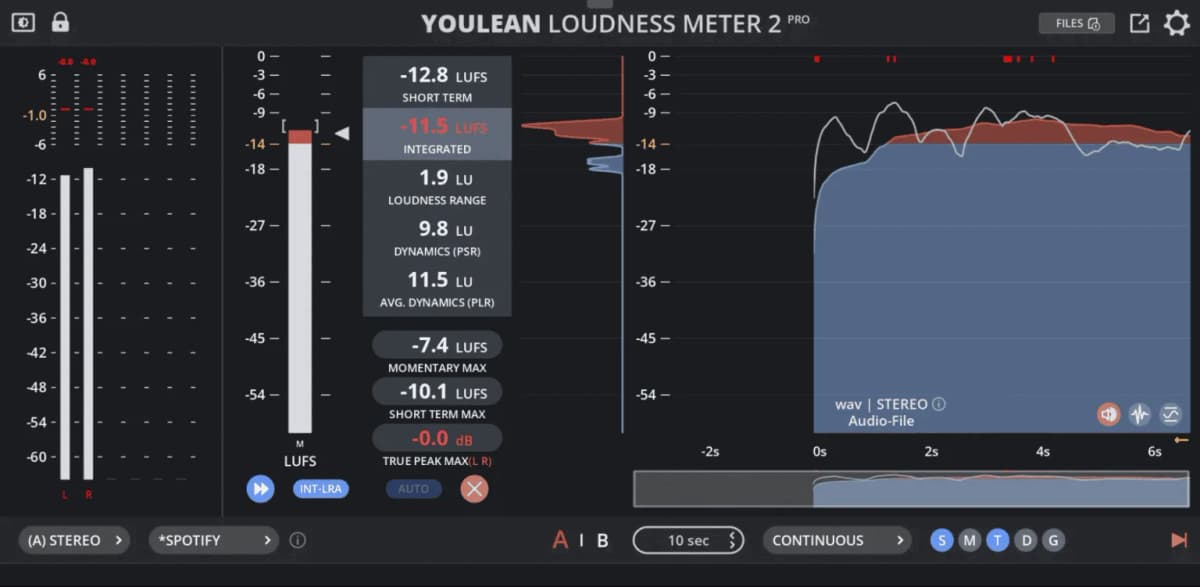
I hope this meter is quite familiar to you. You know, this is where we make sure we’re up to the mark.
According to a 2025 Washington Times analysis, a quarter of Spotify songs get skipped in the first 5 seconds. A third never make it past 30. Chartmetric found the average charting Spotify track is about 3 minutes, down 30 seconds from 2019. So if the hook doesn’t make sense, the radio won’t care as well.
Before submitting your track to any radio, make sure these 4 factors are in check:
- Production: Mixed and mastered to broadcast standard (-23 LUFS integrated, -1 dBTP true peak; EBU R128 in Europe, similar specs under US ATSC A/85). If you're not a mastering engineer, hire one.
- Length: 3 to 4 minutes. Past 4 is a tough sell for commercial stations.
- Clean edit: Always have one. No clean edit usually means no airplay on US stations.
- Hook in the first 30 seconds: Earlier is better.
Get all 4 right and you've cleared the technical bar. Skip any of them and stations will think you're whack.
Do You Need an Electronic Press Kit (EPK) to Submit to Radio?
Yes, most stations and DJs expect an electronic press kit for radio before they'll open your file. An EPK is your one-page resume. Done right, it tells a music director whether to play your song in under 90 seconds. Mess it up and your email gets deleted before they hear the track.
What an EPK needs:
- Bio: Short (50-100 words) and long (150-250). Third person. The first sentence has to hook.
- High-res press photo: At least 1,200 pixels wide. Real camera, not your phone.
- Direct download link to the audio: WAV (44.1kHz, 16-bit min) or 320 kbps MP3. Host on Dropbox or Google Drive.
- Never send a Spotify link instead of the file: Single most common mistake artists make when they submit music to radio stations.
- Stats that matter: Monthly listeners, playlist placements, social follower counts. Real numbers.
- Press coverage: Blog reviews, festival appearances, sync placements, prior radio spins. Quote and link the source.
- Contact and social links: Email and clickable links to every active social.
Tag the audio file with proper metadata (artist, title, ISRC code) so you actually get credited and paid when it airs. Name it ArtistName_TrackTitle.wav. Skip the EPK and you're asking the music director to hunt down everything across multiple platforms. That’s not the job he gets paid for.
How to Get Your Song on the Radio: Step by Step
1. Build Your Streaming Presence First
Radio DJs and program directors check streaming data before they play a track. Strong saves, playlist adds, and a healthy listener-to-saver ratio shows how good your song is for commercial vibes.
If your profile looks like this, you’re not gonna make it to radio:
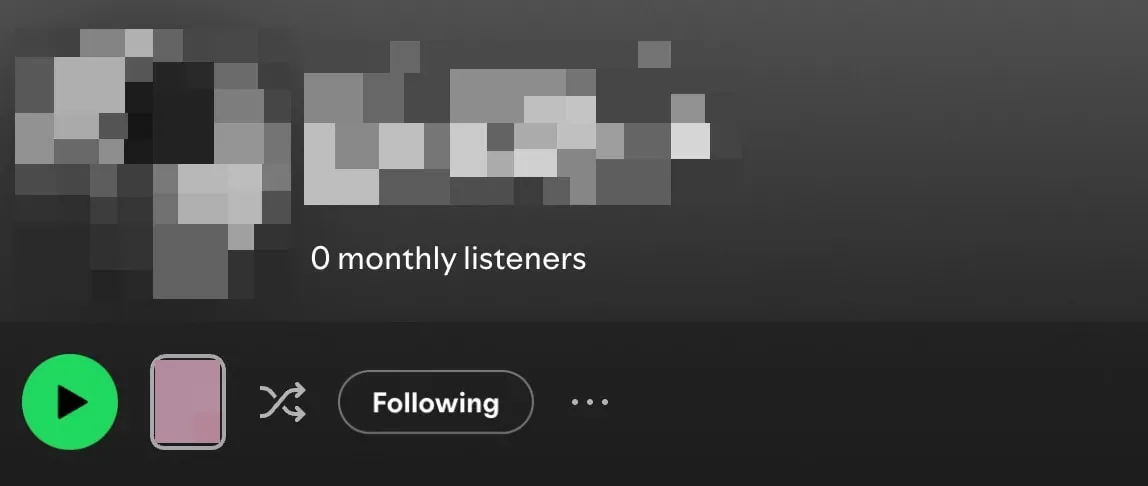
A track with 200 plays and zero saves definitely isn’t the one, right? Unless you’ve got connections, of course!
Since I’ve been in the industry for over a decade, I’d reckon that independent artists need to get into a few relevant playlists to get heard by the right audience. In fact, I wrote an entire guide on independent music promotion a while ago. I’m sure it will help you up your streaming game.
2. Start with Local and College Radio
Local stations and college radio are the most accessible entry points. Both actively support local and emerging talent, and submissions are usually free, which makes this the best route if you're figuring out how to get your song on the radio for free.
Here are some ideas that can help you get into local and college radio.
- Research stations in your area that play your genre.
- Find the music director by name on the station site, LinkedIn, or social.
- Send a personalized pitch with your EPK and a direct download link. Never a Spotify link.
- Follow up politely after one to two weeks. One follow-up is professional. Three is annoying.
3. Submit to Non-Commercial and Public Radio
NPR Music's All Songs Considered accepts submissions at allsongs@npr.org
Your subject line is your shot of a lifetime, so make it count. Whatever actually makes you or your music stand out, lead with that.
Include a download link and a few sentences in the body. Send a link, not an attachment.
4. Use Digital Radio Submission Platforms
A few platforms streamline submissions for indie artists:
- Groover: $2 per contact. 250+ vetted radio stations across community, campus, online, and FM. Curators must respond within 7 days or you get credits back.
- RadioPromo.io: From $29.99/month. AI-powered search that finds stations playing artists similar to you, with direct contacts.
- SubmitHub: $10 for 10 credits. Mostly blogs and playlists, some radio. Decent for first-time campaigns.
- Play MPE: Industry-standard tool every major label uses for radio servicing. Accessible to indie artists through Caster.
Pick one or two based on budget. Don't spread thin across all four. SoundCampaign breakdown of the best music promotion services compares similar tools.
5. Build Relationships with DJs and Program Directors
Radio is still a relationship business. Submission platforms get you heard once. Relationships get you played repeatedly.
- Follow local DJs and music directors on social media. Engage genuinely.
- Show up at local music events where station staff hang out.
- Tag the station when you hit a streaming milestone or get featured somewhere.
- Say thank you when you get played, publicly and personally. A handwritten note still goes a long way.
6. Hire a Radio Plugger
A radio plugger pitches your music using existing relationships with program directors. Worth considering only after steps 1 through 5 and once you have streaming traction to back up the pitch.
Cost ranges:
- Entry-level indie campaigns: $500 to $2,000 for 4 to 8 weeks
- Mid-tier global campaigns: $2,000 to $5,000
- National commercial radio: $5,000 to $20,000+
Pluggers don't guarantee airplay. They guarantee outreach.
Make sure you have a track that fits commercial radio formats before you pay anyone. This Redditor’s blunt advice on Radio submission really makes sense. You can’t just shoot blanks anywhere thinking your music will land somewhere good. No, you’ll be in for amateur contests.
There are no results on Google because there are no radio stations that do this. Hire an indie radio promo consultant to work the record to stations that play your genre. Other than that you'll be sending it in for amateur contests and "locals only" shows.
View original comment on Reddit ›Exactly. Even though radio is no longer the top media for listening to music, it's still a well oiled machine. There are processes still in place to get a record on the radio. This is sound (no pun intended) advice. 😀
What to Avoid When Submitting to Radio Stations
Most submissions never get played. Sometimes it's the song. If that’s not the issue, these might be one of the five mistakes:
1. Sending a Spotify Link Instead of the Audio File
Stations need the actual file. Send a direct download link to a WAV or 320 kbps MP3 on Dropbox or Google Drive. Don't attach the file to the email. It clogs their inbox.
2. Submitting Unfinished Demos or Unmastered Tracks
A rough mix gets passed over instantly, no matter how good the song is underneath. Get it mastered before you pitch.
3. Mass-Emailing Stations with a Generic Pitch
Music directors spot copy-paste pitches from the subject line. Berklee research found personalized submissions get 340% higher response rates than generic blasts. Address the music director by name. Mention their show. Ten personalized pitches beat a hundred copy-pastes.
4. Ignoring Genre Fit
Pitching metal to a country station wastes everyone's time and burns the relationship for future releases. Check each station's recent rotation first.
5. Paying for "guaranteed airplay."
This one needs nuance. Payola has been illegal under US federal law since 1960 when undisclosed, with penalties up to $10,000 per offense. Any payment for airplay must be disclosed on-air. The FCC issued a fresh advisory in February 2025 reminding stations.
When a service guarantees spins, one of three things is happening: undisclosed payola, spins on dead stations with no audience, or fake play counts. None of it will help your career.
Indie artists have been calling out Jango/Pandora-style "Radio Airplay" services on r/WeAreTheMusicMakers for years.
View original comment on Reddit ›im not an expert by any means but I spent 200 dollars on a campaign cuz it was supported by TuneCore which is lame as hell tune core needs to do better for its artist.. my personal experience has been that this radio airplay is an absolute scam it doesn't do anything to your Spotify YouTube or apple streams which are main platforms that most people use. and you get random messages from bots saying they herd your record on the radio with Tupac... refund please
Also, run when you see guarantees like these:
View original comment on Reddit ›Yeah theyre ok it doesnt get your stuff on pandora but the truth is for the price you pay to use their radio service is too much for how much you'll actually get out of it. They give you play credits instead of just play your stuff for the month that you payed and they can run out very quickly. Also most people that play your music on their dont thumbs up it or really care to look into your artist profile or anything. I gained a few real solid fans over the period of a couple months but nowhere near worth the amount for time and money I put into it. Over all its a decent service kind of a gamble basically a scam that you can maybe get something out of if youre lucky.
Do You Get Paid When Your Song Plays on the Radio?
Yes, but it depends on what you did on the song and where it played. Just look at the big picture:
|
Your role |
Where it played |
Who pays you |
Cost to register |
|---|---|---|---|
|
Songwriter |
Anywhere public (terrestrial FM, satellite, internet, venues) |
Your PRO (ASCAP, BMI, SESAC, or GMR) |
ASCAP free, BMI $75, SESAC/GMR invite-only |
|
Performer |
US terrestrial AM/FM |
Nobody. The US is one of the only developed countries that doesn't pay performers for terrestrial radio |
N/A |
|
Performer |
Satellite (SiriusXM) or internet radio (Pandora, iHeart) |
SoundExchange |
Free |
Where to Start This Week
Getting your song on the radio isn't about firing off mass emails and hoping something is finally going to work. It works out only if you have a proper system in place:
- Get streaming traction: Nobody invests in a startup with 10 users. For you, those users are listeners. So try Instagram, TikTok, Spotify playlist submission, or whatever, as long as it genuinely gets you real listeners.
- Hit local and non-commercial stations: This includes college radio, NPR affiliates, and community stations. They seriously want indie music, and most don't charge anything. After all, it’s a win-win.
- Have a toolkit: Here are some music marketing tools that will be really useful for the type of music you’re pushing out there.
- Build relationships: Follow DJs, talk to other artists who know DJ/radio guys, engage with their posts, show up at local events, etc. I know it’s slow work, but the pay off is crazy.
FAQs
How do I get my song on the radio as an independent artist?
Build streaming presence first, start with local and college radio, and then scale into non-commercial public radio (NPR affiliates, community stations). These tiers want indie music. From there, use platforms like Groover or RadioPromo.io to expand your reach. Skip major commercial FM unless you've got a label backing you. Always send a WAV or 320 kbps MP3 download link, never a Spotify link. And personalize every pitch.
How much does it cost to get a song on the radio?
Free if you submit yourself to local, college, and non-commercial stations. Digital platforms run from $2 per contact to about $30/month. Hiring a real radio plugger costs $500 to $2,000 for entry-level indie campaigns, $2,000 to $5,000 for mid-tier global, and $5,000 to $20,000+ for national commercial radio (label territory). Start free, spend where you see traction.
Do you get paid if your song is played on the radio?
Depends on what you did and where it played. Songwriters get paid through their PRO (ASCAP, BMI, SESAC, or GMR) for terrestrial FM, satellite, and internet radio plays. Performers get paid through SoundExchange for satellite (SiriusXM) and internet radio (Pandora, iHeart) only. The US doesn't pay performers for terrestrial AM/FM, one of the only developed countries that doesn't. The American Music Fairness Act would fix this if it passes.
How long does it take to get a song on the radio?
Most stations take one to two weeks to review submissions. Groover guarantees responses within 7 days. Local and college stations might take a few more weeks to add your track to rotation after accepting it. Full plugger campaigns run 4 to 12 weeks. Going from one submission to actual rotation usually takes months. Plan radio outreach 4 to 6 weeks before your release date.

SoundCampaign 創業者兼CEO
ナダブです。今のこの会社を作る前は音楽を作っていて、マーケティングへの関心はそこから生まれました。一番好きなのはアナリティクスの部分、つまりストリームがどこから来て、何が動いて、何が動かなかったのかを見ることです。 SoundCampaignを設立したのは、アーティストに本当の意味での露出を届けるためです。想定していたよりはるかに多くの時間と労力がかかり、それは今もあまり変わっていません。
音楽をプロモーションする
実在するプレイリスト掲載、TikTok動画、Meta広告

100,000以上のアーティスト・レーベルに信頼されています
ボットは一切なし。
あなたの音楽を届ける準備はできましたか?
SoundCampaignを使って、実在するプレイリストやクリエイター、ファンにリーチしている何千人ものインディーアーティストに加わりましょう。すべての段階で正直なフィードバックが届きます。
- ボットは一切なし
- アーティスト保護プログラムキュレーターやクリエイターがあなたの楽曲をレビューしなかった場合、その分のクレジットを返還します。あなたの予算は常に保護されています。
- ロイヤリティは100%あなたのもの私たちはレーベルではなく、プロモーションサービスです。あなたの再生数やロイヤリティから手数料を差し引くことはありません。