音楽プロモーション
How to Release An Album in 2026

Nadav Peleg
更新日 · 10分で読了
So you're finally done and don't know how to release an album? In this guide, you'll learn how to pull it off like a pro.


On this page
- Do This Before You Touch Distribution (The Pre-Release Checklist)
- Distribution is the Easy Part
- The Release Timeline (Minimum 4-6 Months, not 4-6 Weeks)
- Learn What Actually Builds a Fanbase
- Budget Reality (From Zero to Label-Equivalent)
- Platform Rules That Most Artists Get Wrong
- Common Mistakes That Kill Momentum
- Some FAQs You Might Have
- What to Do This Week
You finished the album. You're proud of it. Now you're staring at Spotify.
When I was building SoundCampaign, I saw the same pattern. Artists record songs, upload to Spotify, share them on WhatsApp, and end up with 47 streams a month.
This is what happens when you treat distribution like the finish line.
Uploading a release to Spotify without a serious marketing plan is like throwing a bottle into the ocean and hoping a friend finds it on some remote beach.
In such cases, bottleneck isn’t the music or the distribution. It’s the marketing.
On this page, I’ll share some of the tactics I recommend to artists when they plan an album release.
Do This Before You Touch Distribution (The Pre-Release Checklist)
Most artists fixate on picking a distributor. That's like obsessing over which airline to fly while forgetting to pack.
The work that determines whether your album lands or disappears happens months before upload.
Lock Music, Artwork, and Identity First
Your music should be fully mixed and mastered. Realistic mastering costs around $200, not the $500-1,000 range studios quote you.
A full-band EP can sound professional for $80 if you know what you're doing.
Car Seat Headrest's early albums were recorded on a laptop with minimal gear.
Alex G built a catalog on Bandcamp before anyone in the industry noticed. The listening public does not care where it was recorded.
Get press photos done. Not iPhone selfies. Consistent, high-quality shots that match across platforms. Lock artwork for each single and the album.
Here are some artists that had some success with SoundCampaign. You’ll see one thing in common. They all have great photoshoots.
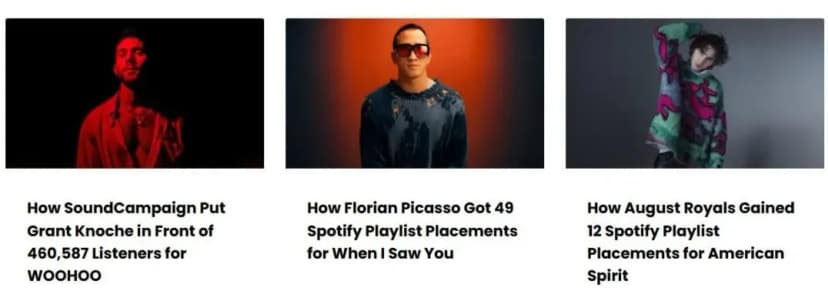
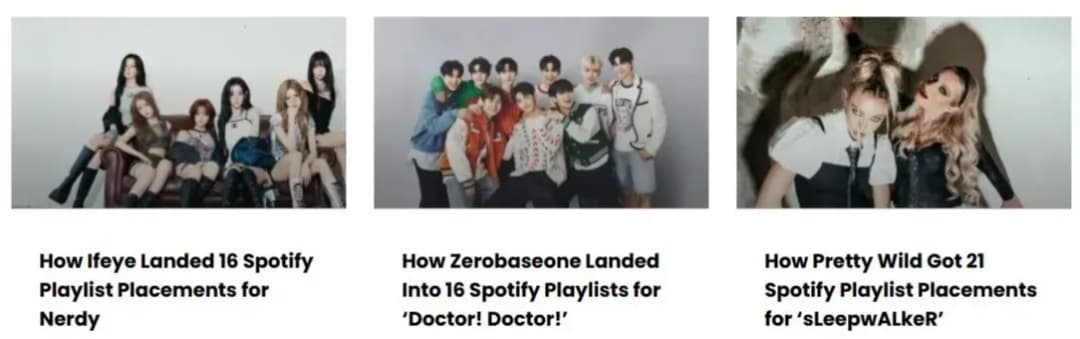
Define your artist identity in writing: a 100-word blurb, a 300-word pitch, and a 500-word bio. You will need all three at different times and you don't want to be writing them at 2 am before a blog submission deadline.
Set Up Every Platform Before You Need It
All social profiles must be set up with matching handles, same profile pic, and link in bio. Also, your website should be live before the first release. This is non-negotiable.
Set up Spotify for Artists, Apple Music Connect, Pandora AMP, Amazon Music for Artists. Every one of these has features you can only access once you've claimed your profile.
Artists who wait until release week to do this miss pitch windows they can never get back. In fact, set up a Linktree page like this to help your audience navigate better.
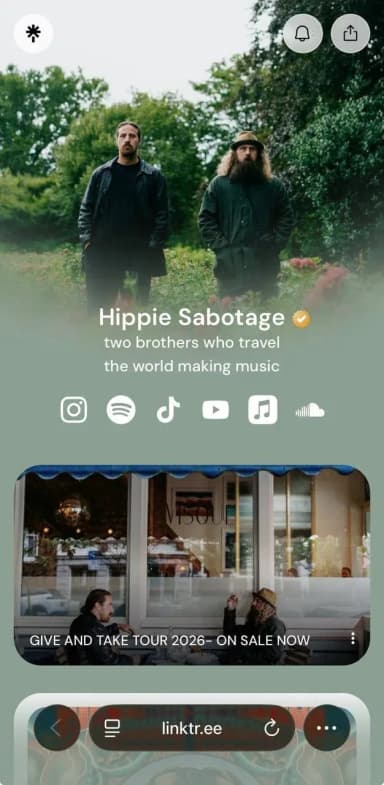
Register PRO and Copyright (Most Artists Skip This)
Register with ASCAP or BMI for performance rights. Copyright your songs at copyright.gov. It costs about $35.
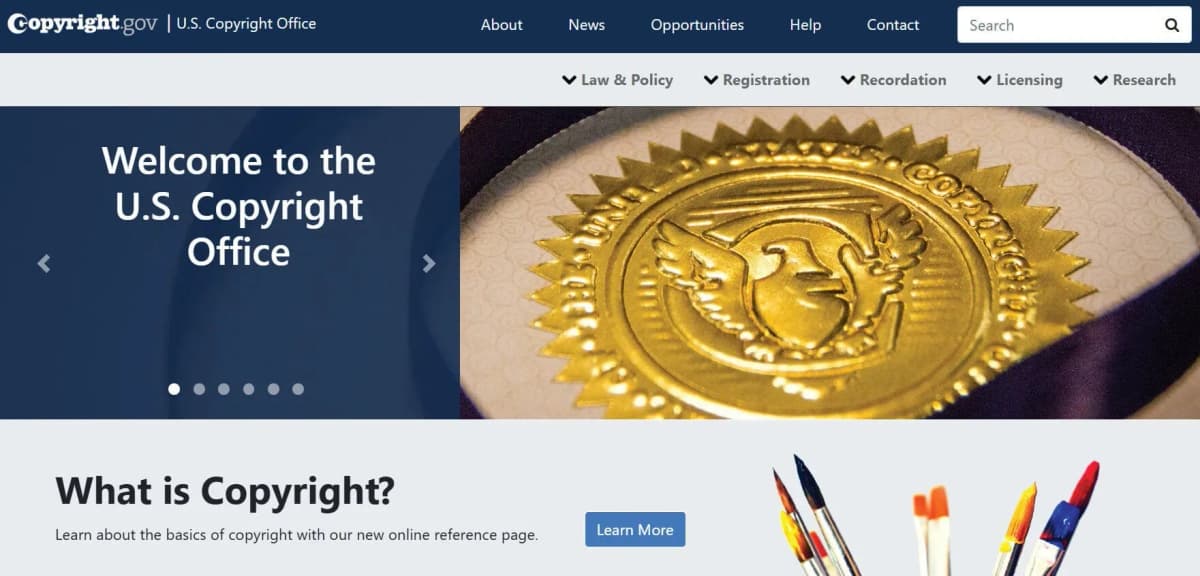
Most new artists skip this because they don’t even know about it.
You won’t believe it, but I saw one guy from my network lose thousands of dollars. Yes, someone else, another party, profited from his music because he never set up publishing.
It was the first time I found out something like this also exists. When we were having that conversation, he said you should start a publishing company and sign yourself before you release any track.
So always remember, that $35 registration is the cheapest insurance in the music industry.
Distribution is the Easy Part
Picking a distributor is the decision everyone overthinks. While I’m giving you a little brief on some, here’s a list of the most popular music distributors for you.
Now see:
DistroKid charges $24.99/year for unlimited uploads. It's the simplest option. Not great for splits between multiple artists.
CD Baby charges a one-time fee per release and handles splits better.
Bandcamp is free to start, takes a 15% cut, and is the best platform for direct-to-fan sales. It also captures email addresses automatically, which matters more than most artists realize.
AWAL takes 15% with no upfront fee but works better for artists who already have momentum.
In short, I’d say there’s no perfect distributor out there. There will always be some trade offs.
This is also highly recommended: Use the same ISRC code on your standalone single and the album version. Different codes split your streams and confuse the algorithm.
The Release Timeline (Minimum 4-6 Months, not 4-6 Weeks)
Rushing is how good music gets buried. One big launch day beats doing nothing, but continual sustained promotion beats one big launch every time.
Small consistent drops over months outperform a single press cycle.
5-6 Months Out: Finish and Lock Everything
Finish recording, mixing, mastering. Lock artwork and photos. Make the decision now: digital only, or vinyl and cassette too? Physical formats need lead time you can't compress later.
3-4 Months Out: Go Live Everywhere and Warm the Algorithm
Set up all platforms. Start posting content. This includes behind-the-scenes footage, covers in your genre, performance clips, etc.
Drop a demo or early track as a soft launch. This claims your artist profiles and "warms" the algorithm so it starts learning who your audience is before the album matters.
2-3 Months Out: First Single and Editorial Pitch Window
Drop your first single. Submit to Spotify editorial playlists between 6 and 2 weeks before release. This window is non-negotiable.
Spotify does not accept editorial pitches after the release date. No late submissions or any exceptions will be there for you. The window closes.
Pitch to genre-matching blogs with personalized outreach. Start niche, then go broad. Launch your pre-save/pre-order campaign.
4-6 Weeks Out: Singles, Interviews, Release Show
Drop your second and third singles. One every two months is the sweet spot per pros who've tested faster and slower cadences. Submit to Apple Music, Pandora AMP, Amazon Music for Artists. Reach out for interviews and podcast features. Book a release show.
Release Week and After: Don't Stop at the Drop
Album drops. Pre-saves convert to followers. The temptation is to exhale and stop pushing. Don't.
Amazon Music for Artists lets you pitch new music up to 14 days after release.
Most artists miss this window entirely because they assume all platforms work like Spotify. They don't. Alternate versions, remixes, and live videos sustain attention in the weeks after release. The album launch is not the end of the campaign. It's the midpoint.
Learn What Actually Builds a Fanbase
Vanity metrics are a trap. Monthly listeners, follower counts, playlist adds from bots. None of it makes a career. A band with 500 true fans who buy records and come to shows beats one with 10,000 passive listeners every time.
Here's what actually moves the needle, ranked by real-world effectiveness:
Live shows: Still the most effective for building fans who actually spend money. A Reddit user with 20 years of releasing independently said touring did more for his fanbase than every online strategy combined.
Covers on YouTube, TikTok, and Reel: You're tapping into existing search demand for songs people already love. That's free distribution to a warm audience.
Collaborations and features: Spotify's algorithm learns your genre through association. A feature with an artist in your lane puts you in front of their audience and teaches the algorithm where to place you.
Genre-specific playlists: Create playlists featuring similar artists and include your songs. Ask fans to add you to their personal playlists. Active streams from personal playlists carry more algorithmic weight than passive playlist adds.
Spotify editorial playlists: Pitch early. If you land one, it's discovery gold.
Email and SMS list: Bandcamp builds this passively. Own this list. Don't rent attention on platforms that can throttle your reach tomorrow.
Crowdfunding: Works if you already have a community that believes in you. Does not work as a substitute for building one.
Budget Reality (From Zero to Label-Equivalent)
|
Approach |
Budget |
What You Get |
|---|---|---|
|
Zero budget |
$0 |
GarageBand + SM57, Bandcamp, no PR. Legitimate. Alex G and Car Seat Headrest started here |
|
Lean indie |
$1,200-2,000 |
Recording, mixing, mastering, basic artwork. The DIY gold standard |
|
Full-scale indie |
$12,000 |
Full-length tracked/mixed/mastered + 500 vinyl + 1 month PR + radio + photography |
|
Label-equivalent |
$20,000-25,000 |
What an indie label would spend on a typical campaign |
The "expensive studio equals legit artist" myth is dead. The only spending rule that matters is don't invest in PR until people are already saying "this is really good, why doesn't anyone know about you?"
Spending on radio promo without press awareness is throwing money into a void.
Platform Rules That Most Artists Get Wrong
Spotify for Artists: Pitch editorial playlists at least 2 weeks before release. Use Spotify Countdown Pages for albums. They double or triple pre-saves compared to third-party tools.
Apple Music Connect: Claim your profile. It supports video, audio, and image sharing with fans. Most artists ignore it entirely.
Pandora AMP: Song boosts and radio-style liners are underrated. Proactively contact Pandora Artist Support to make sure your tracks go on the free tier, not just paid. Free tier is where the volume is.
Amazon Music for Artists: You can pitch new music up to 14 days after release. This is the most underused window in music distribution.
YouTube: The number one platform for music streaming globally by volume. Optimize like any YouTube video: thumbnail, title, tags, consistency.
TikTok: Distributed sounds (via your distributor) are monetizable and let you select your snippet. Choose the hook. Original uploads don't give you that control.
Common Mistakes That Kill Momentum
Every one of these has killed an album campaign I've watched up close.
- Releasing a standalone single with a different ISRC than the album version
- Pitching Spotify editorial after the release date. Not having a website before releasing
- Spending money on PR before you have any press awareness or social proof
- Rushing the timeline when 4-6 months is what successful indie releases actually take
- Not registering with a PRO or copyrighting songs
- Skipping physical merch at shows
- Chasing follower vanity metrics instead of tracking true fan conversion
Each one of these is fixable. None of them are obvious until someone tells you.
Some FAQs You Might Have
How much does it cost to release an album as an independent artist
From $0 (Garageband, Bandcamp, no PR) to $20,000-25,000 for a full label-style campaign. Most lean indie releases land at $1,200-2,000 for recording, mixing, mastering, and artwork. Only invest in PR when you already have some press or buzz to build on.
How long before release should I pitch Spotify for editorial playlists? At least 2 weeks before your release date. Spotify does not accept editorial pitches after the release date. There are no exceptions.
Do I need to register with a PRO and copyright my songs? Yes. Register with ASCAP or BMI for performance rights. Copyright at copyright.gov costs about $35. Artists who skip this have lost royalties and attribution with no legal recourse.
What is the best distribution service for independent album releases? DistroKid for simplicity and unlimited uploads. CD Baby for splits between artists. Bandcamp for direct-to-fan sales and email capture. AWAL if you already have momentum and prefer no upfront fee.
Should I release singles before the album? Yes. Drop 2-3 singles over 2-3 months before the album. Use the same ISRC for the single and album version so streams and algorithmic data stay unified.
Why did my first release get no traction? Almost always because distribution was treated as the main event. The bottleneck is marketing: no website, no sustained content, no playlist pitching in the right window, or no real fanbase built before the drop.
Can I pitch my album to Amazon Music after it's already out? Yes. Amazon Music for Artists lets you pitch new music up to 14 days after release. Use that window, especially if you missed pre-release pitching on other platforms.
What to Do This Week
Pick your release date 4-6 months out. Work backward from there. Lock the pre-release checklist: music, artwork, identity, website, PRO, copyright, all platform accounts. Do all of this before you upload a single track to any distributor.
Also, I’d recommend using SoundCampaign to get feedback on your music. This could be a part of your promotion strategy.
And if our curators love your tracks, you might get a chance to get in their playlists. The best part about it is you’ll immediately get the type of listeners your album deserves. After all, our system matches you with the curators that belong to your genre.
At last, I’d say keep that release coming. Don’t overthink. Just release it asap. The faster you release it, the faster you’ll see how your audience is interacting with it.

SoundCampaign 創業者兼CEO
ナダブです。今のこの会社を作る前は音楽を作っていて、マーケティングへの関心はそこから生まれました。一番好きなのはアナリティクスの部分、つまりストリームがどこから来て、何が動いて、何が動かなかったのかを見ることです。 SoundCampaignを設立したのは、アーティストに本当の意味での露出を届けるためです。想定していたよりはるかに多くの時間と労力がかかり、それは今もあまり変わっていません。
音楽をプロモーションする
実在するプレイリスト掲載、TikTok動画、Meta広告

100,000以上のアーティスト・レーベルに信頼されています
ボットは一切なし。
あなたの音楽を届ける準備はできましたか?
SoundCampaignを使って、実在するプレイリストやクリエイター、ファンにリーチしている何千人ものインディーアーティストに加わりましょう。すべての段階で正直なフィードバックが届きます。
- ボットは一切なし
- アーティスト保護プログラムキュレーターやクリエイターがあなたの楽曲をレビューしなかった場合、その分のクレジットを返還します。あなたの予算は常に保護されています。
- ロイヤリティは100%あなたのもの私たちはレーベルではなく、プロモーションサービスです。あなたの再生数やロイヤリティから手数料を差し引くことはありません。