음악 산업
How to Start a Music Career in 2026

Nadav Peleg
업데이트됨 · 13분 읽기
Do you want to learn how to start a music career? This comprehensive guide has everything you need to make it for real this year.


On this page
- Step 1: Define What ‘Career’ Means for You
- Step 2: Set Up Your Music Infrastructure (Before You Even Drop a Track)
- Step 3: Create Your First Tracks (Quick Wins)
- Step 4: Drop Your First Song Like It’s a Product Launch
- Step 5: Build Your Fan Funnel: The Content Strategy That Works
- Step 6: Network Without Being Desperate
- Step 7: Monetize Sooner Than You Think
- Step 8: Growth Loops (How to Scale What Works)
- My Last Advice for You
- Some FAQs from Artists I Know
If you’re trying to start a music career, you’re probably seeing a lot of people telling you the same thing:
Just post consistently, wait for the blow, make connections, and that’s it.
That’s not a plan. That’s just hope with a ring light.
Building a music career means having systems you can repeat.
You don’t need a label (I’m not against it tho), a studio, or a million followers. You just need the right tools and a clear roadmap.
This guide breaks it all down step-by-step with no outdated advice.
If you’re serious about learning how to start a music career and you want to do it right, keep reading.
Step 1: Define What ‘Career’ Means for You
There’s more than one path.
Before you drop a song or pick a stage name, ask yourself this:
What kind of music career do you actually want?
Not everyone needs to be a stadium artist.
You’ve got 3 options:
Option 1: Creator-Artist
You make both music and content, and they feed each other.
Your songs power your videos, and your videos drive streams.
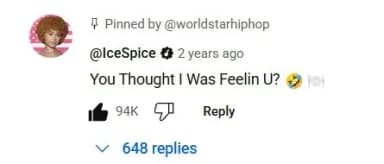
Think Ice Spice. She blew up in August 2022 when her track “Munch (Feelin’ U)” caught fire across TikTok, Instagram Reels, and Twitter.
It started with a short, confident clip of her mouthing “You thought I was feelin’ you?” straight to camera. That one line became a caption trend, a sound bite, and a meme all at once.
You can watch the original “Munch” clip on YouTube for ideas. She even highlighted that in the comments of her song.
Why it worked:
The lyrics were catchy, bold, and easy to quote.
Her look and confidence made people stop scrolling.
Fans remixed it, dueted it, and reposted it nonstop. It racked up 300 K+ TikTok videos using the sound.
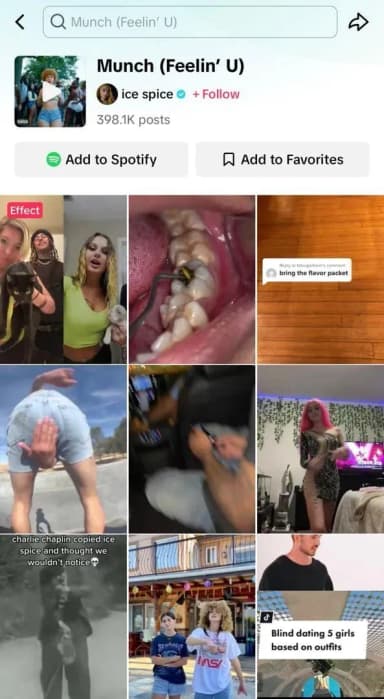
This wasn’t just a song drop, it was a moment.
And it worked because the content and music were built to loop. Each post sparked more plays, and more plays meant more content fuel.
That’s the creator-artist lane.
Option 2: Sync‑Focused Artist
You make music with one goal in mind: getting it placed in shows, ads, trailers, or video games.
If you’re an introvert who doesn’t like cameras, then this is for you.
This is less about going viral and more about making music that fits a vibe. Think of something moody, cinematic, or catchy enough for brands.
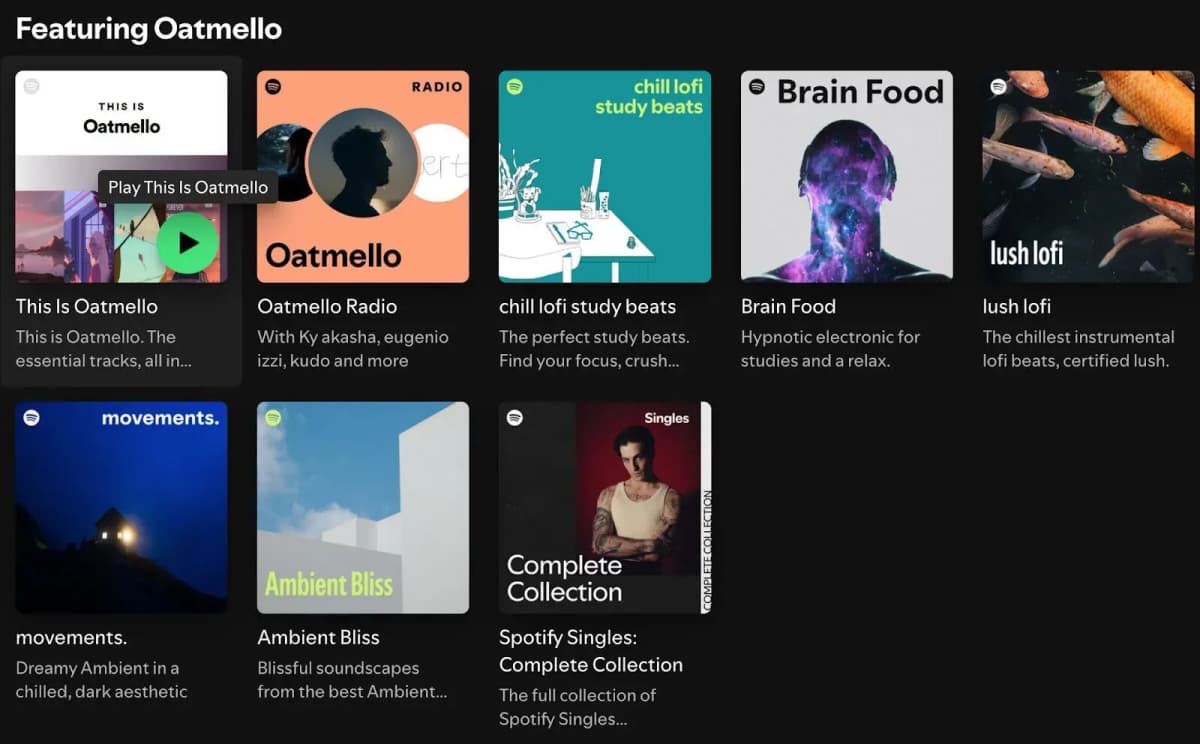
For example, we have Oatmello.
He makes dreamy, instrumental lofi tracks. His music has been featured in everything from YouTube ads to Netflix background scenes.
His songs have featured in Spotify playlists like; “chill lo-fi study beats”, “Brain food” and “lush lo-fi.”
Why it works:
- Sync music doesn’t need a face. Just a great sound.
- You can make money without building a fanbase.
- Your tracks live quietly inside big projects that pay well.
Option 3: Touring Indie Artist
This is for people who want the mic in their hand and real people in the room. You’re not just making music, you’re building a live experience.
You actually enjoy being on stage. It energizes you, not drains you.
Real fans, real shows, and real merch sales.
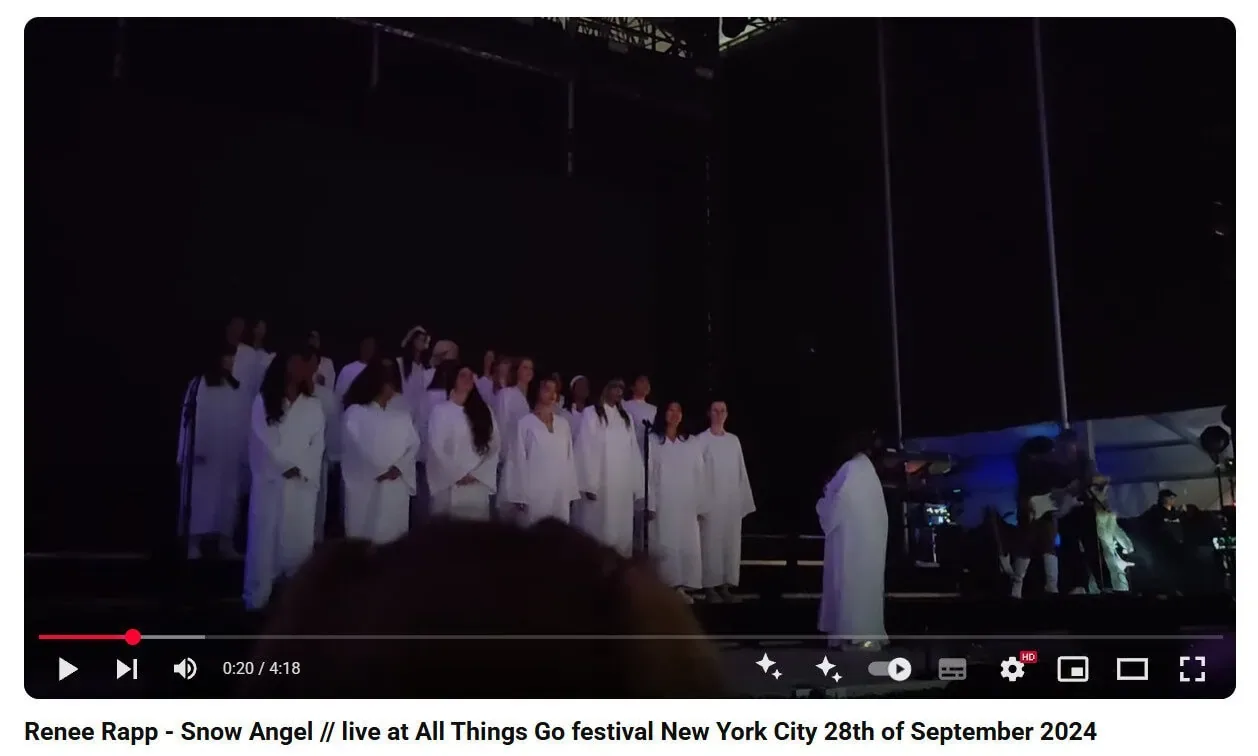
A perfect example is Renée Rapp.
Before breaking into mainstream fame, she built a solid fan base through local gigs, theater, and eventually national tours.
Her live shows are what built die-hard fans, not just her songs.
This is one of her shows that I enjoy the most.
Why it works:
- Touring creates deep, loyal supporters.
- Sell merch, test songs live, and grow city by city
- You don’t have to rely on algorithm
Step 2: Set Up Your Music Infrastructure (Before You Even Drop a Track)
Before anyone hears your music, you need the foundation set.
The tools, the visuals, and the structure that makes you look like an artist from day one.
This is where most people stall. But if you lock this down early, everything else gets easier.
Choose Your Tools Like a Pro
You don’t need a full studio. You need a workflow.
- DAW: Start with something like BandLab (free), FL Studio, or Logic Pro
- Distribution: Use DistroKid, TuneCore, or SoundOn to get on Spotify, Apple, etc.
- Visuals: Canva, CapCut, and free AI tools can level you up fast
- Gear: Your phone, cheap mic, laptop. That’s enough to start
Lock in Your Brand Essentials
Even if your music’s not out yet, you should look legit.
- IG handle, TikTok, YouTube, same name across all
- Bio + mission statement (1 sentence: “I make nostalgic alt-pop for loners and late-night drives”)
- Cover photo + profile pic that doesn’t scream “just started”
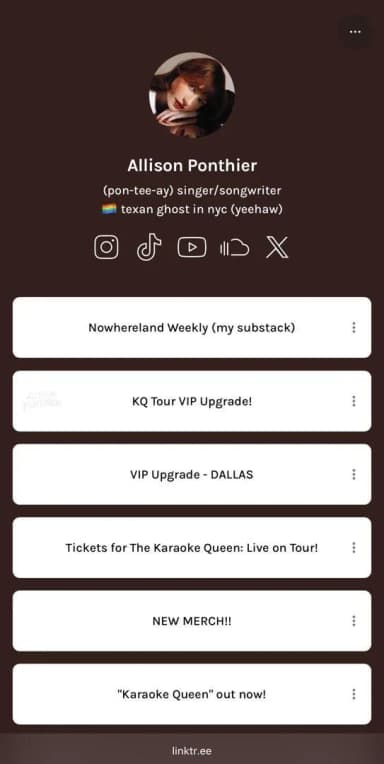
Here’s an example of what your page should look like:
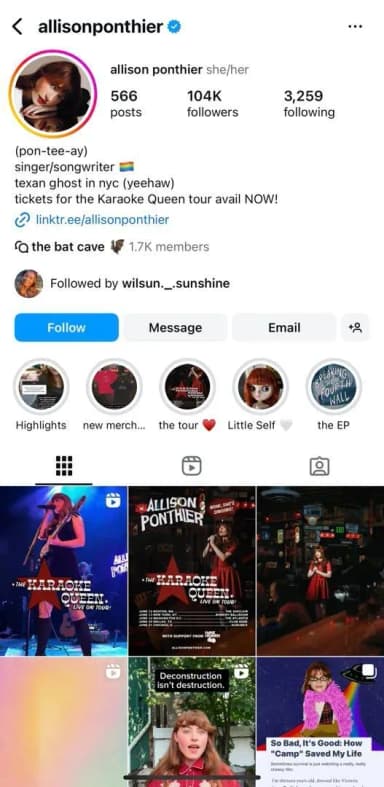
And not just a page, you gotta design your Linktree as well.
Build a Content System (It Doesn’t Have to Be Fancy)
You don’t need a camera crew, you need a rhythm.
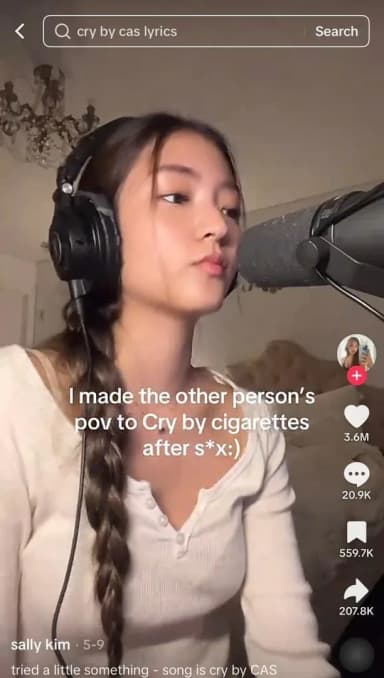
Phone + tripod + Instrument (if you can play any) = proper music content setup.
Something like this is perfect:
Plan 3–5 reusable content formats such as BTS (Behind the Scenes), lyrics, live takes, funny duets, etc.
If you are camera shy, you can make faceless content like a lyrical video or something.
And yeah, it’s quite possible. You just need good music and consistency.
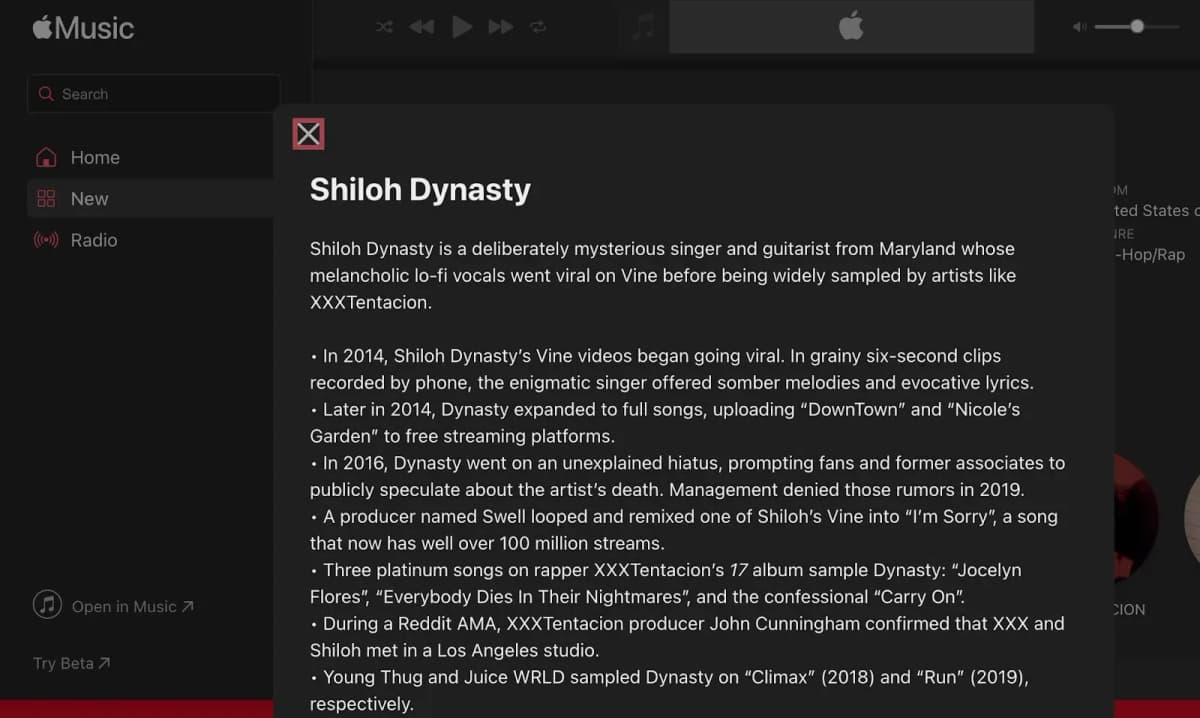
Have you ever heard of the Shiloh Dynasty?
She blew up without anyone ever knowing what she looks like:
We can take a thing or two about her content style.
Here’s what it looks like:
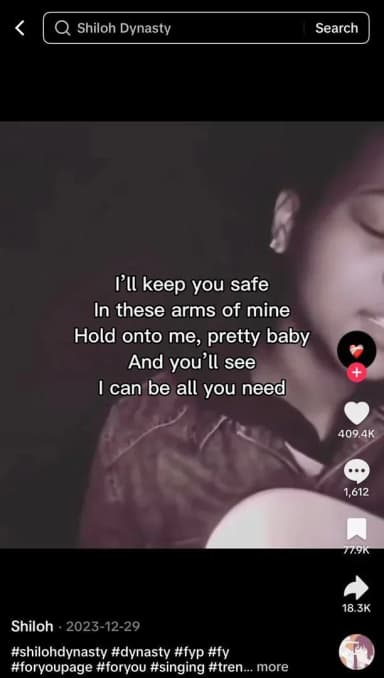
She’s just sitting with her guitar, showing only her half face. This was what she did for all her visual content and it was a hit.
The goal here is to make the process super simple and budget-friendly. If it’s hard or needs money, you won’t be able to stay consistent.
Step 3: Create Your First Tracks (Quick Wins)
When you’re just getting started, don’t get stuck trying to make a perfect song. Progress beats perfection every time.
Use whatever gear you have on hand. It could be your phone, a basic microphone, or a simple home setup.
Then take a reference track and try to create something.
These days a lot of YouTubers are posting videos that teach how your favourite artists mix and master their tracks.
For instance, Joe Gautrey here is showing how you can make a Billie Ellish type track.
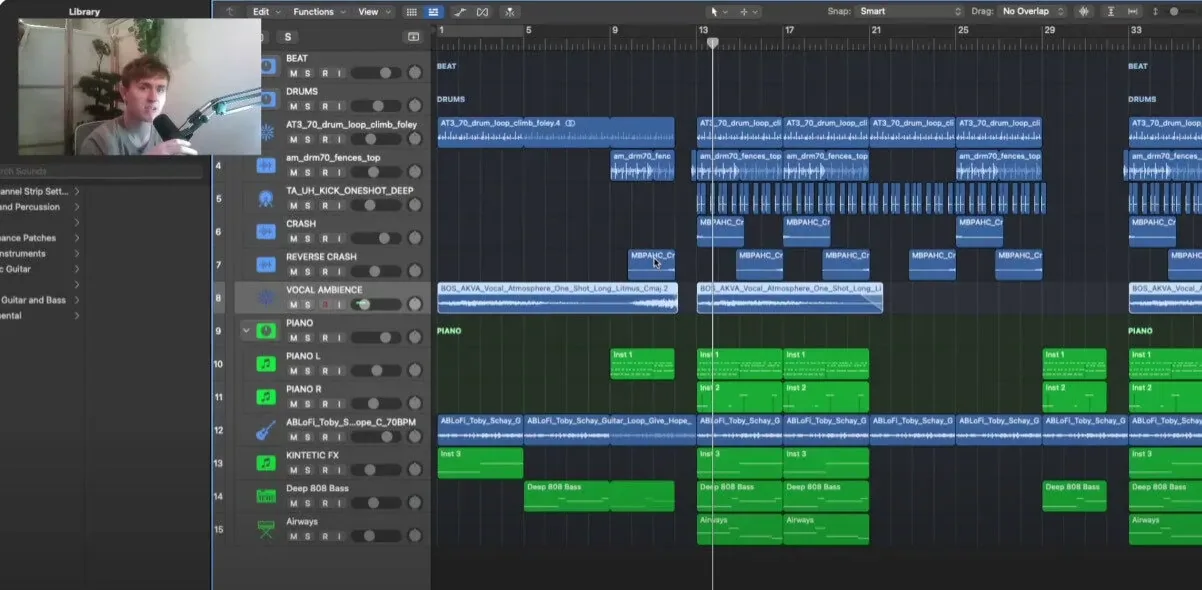
Like literally, he’s got everything you need to be able to create a track like Billie Ellish. As you can see, how big a mess he’s got on the screen.
I’m not telling you to copy every single thing. Just learn the basics, learn the ropes, and then experiment with your own personality.
That’s the way to create sound that goes big.
Step 4: Drop Your First Song Like It’s a Product Launch
Releasing music isn’t just about uploading a track and hoping people hear it. Treat your first song like a product launch.
Before you drop, make sure you’ve got everything ready:
Most Important First: Have a Release Strategy in Mind
Let’s suppose you publish your track on Instagram, YouTube, TikTok, and everywhere, and wait for the results.
That’s just a half-baked effort to be honest.
Every single artist you know is doing that thing. You wanna come into the spotlight? It takes more than that.
You need good playlist curators, social media influencers, and some PR.
I started SoundCampaign to help artists like you get recognition. From getting into playlists to going viral on TikTok and Instagram, I’ve got deep connections with people from different genres.
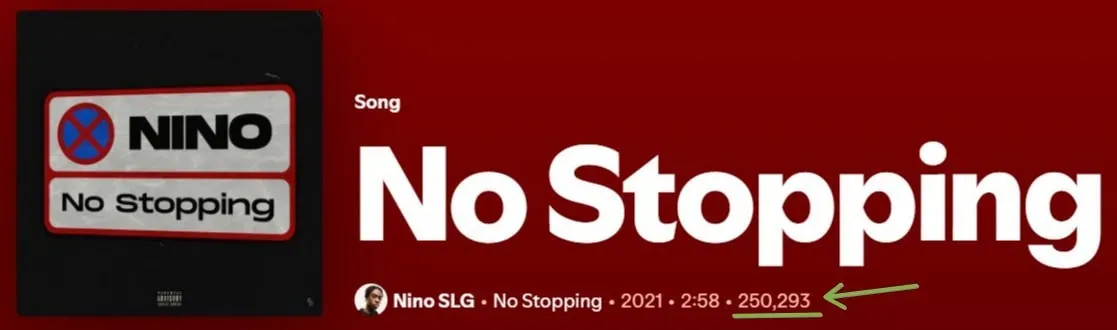
One of our artists named Nino SLG spent $123 on his Spotify campaign.
Guess what? He got placed into 11 playlists out of the 12 pitches we did for him. That’s more than 90% playlist add rate.
Here you can see how many streams his track got:
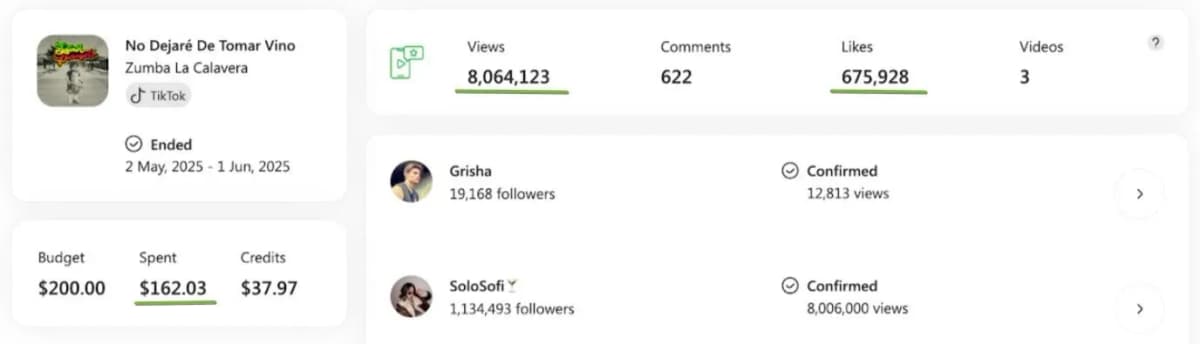
That’s not it, here’s one of our artists who promoted their song on TikTok and got over 8M+ views with just $162.
We have similar results for Instagram as well.
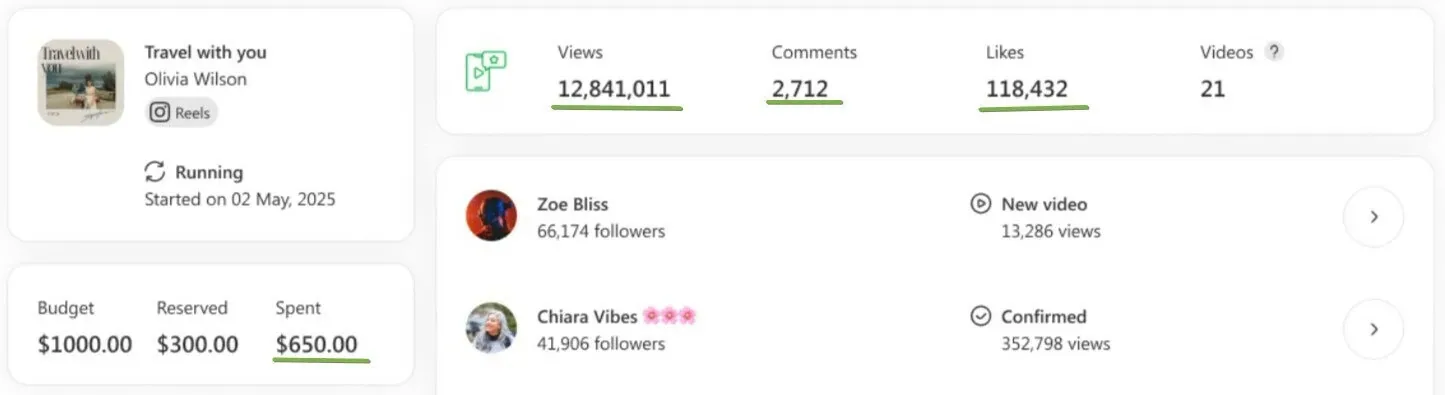
Isn’t it awesome?
You wanna try it out too?
Here’s a $20 discount link for you.
Just select where you wanna promote.
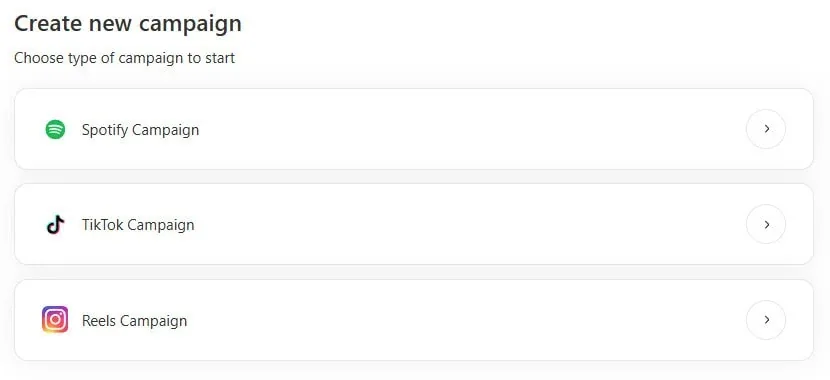
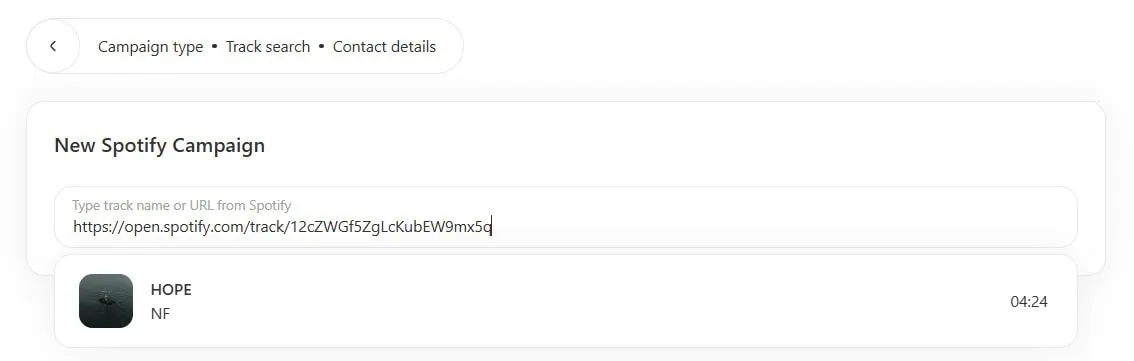
Put your track’s link there.
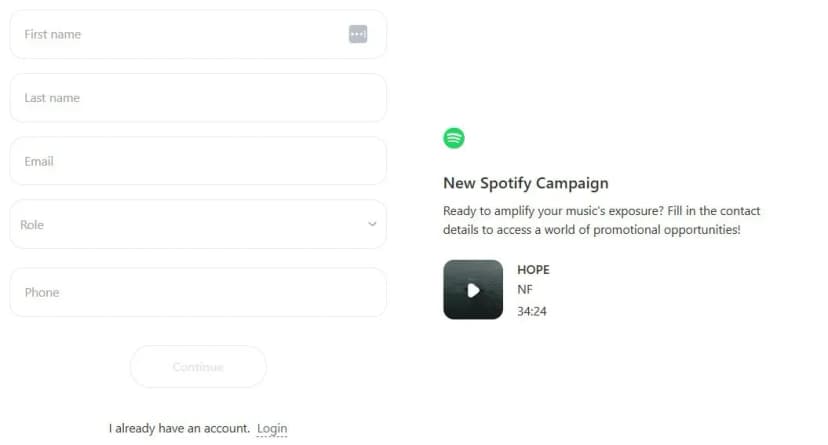
Sign up and create your account.
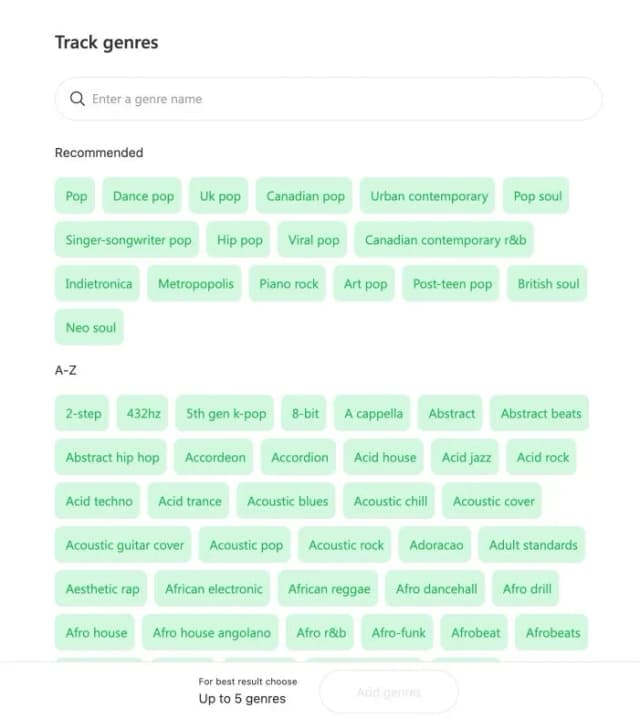
Pick the genre that fits your track. Make sure you don’t choose this randomly because your approval rate depends on this.
Select your campaign budget.
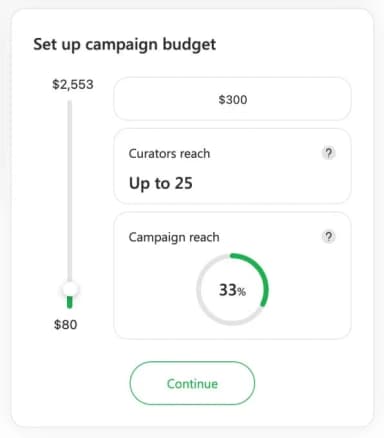
That’s it, that’s all you gotta do. Now leave the rest to the SoundCampaign team. You’ll be matched with the most relevant curators.
Whether your track gets added to any playlist or not, you’ll get such feedback for your track:
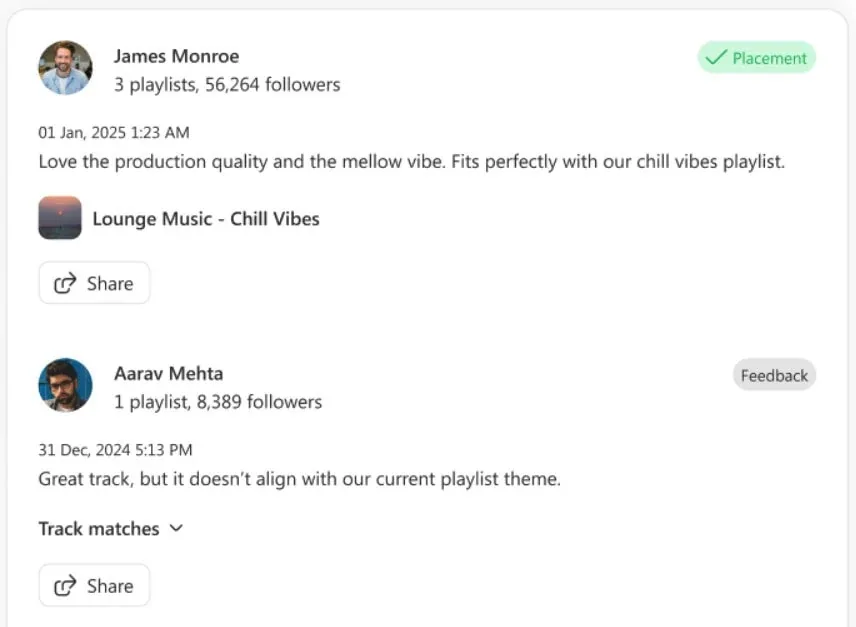
If you don’t get added to a playlist or any feedback, you won’t be charged.
Btw, the process is exactly the same for TikTok and Instagram.
Now… You got the release strategy planned? You know where you wanna promote your track? Great!
Let’s make sure you have all the necessary material you need to get your track out there.
Cover Art: Make it Stand Out
Use free tools like Canva to create art that pops. Billie Eilish’s “Happier Than Ever” cover is a great example.
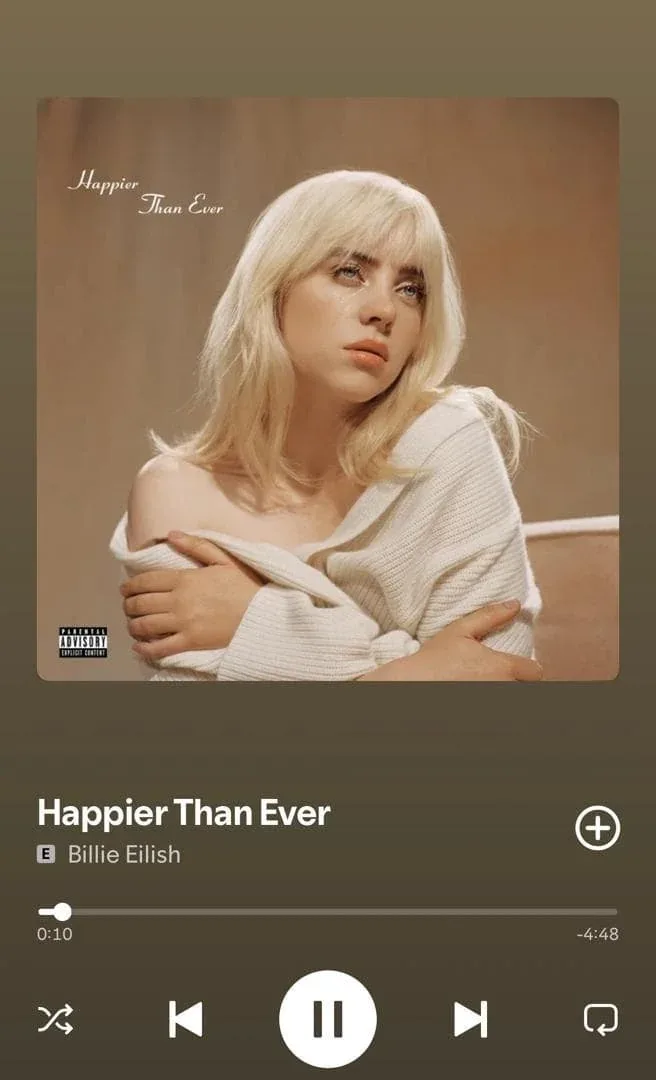
Simple but iconic and instantly recognizable.
Teaser Content
Share short clips or behind-the-scenes videos to build buzz. Here’s a TikTok video where Olivia Rodrigo teases “drivers license” with the caption “sooner”
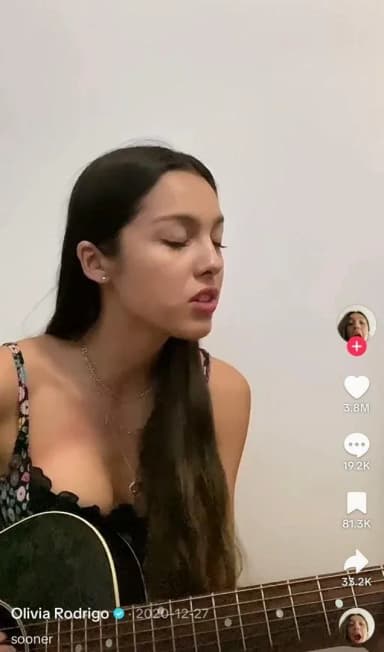
It’s better to keep every teaser in advance.
Countdown Strategy
Use Instagram stories or TikTok countdown stickers to hype the release date. Trust me, this still works.
Pre-save links
For pre-save links, I’d recommend using Linktree or Push.Fm. Both works fine and most artists I know use these two.
Step 5: Build Your Fan Funnel: The Content Strategy That Works
You need to be smart about content if you want fans to stick around. For instance, people have low attention spans. That’s why short-form content like this gets a lot of eyeballs and ears:
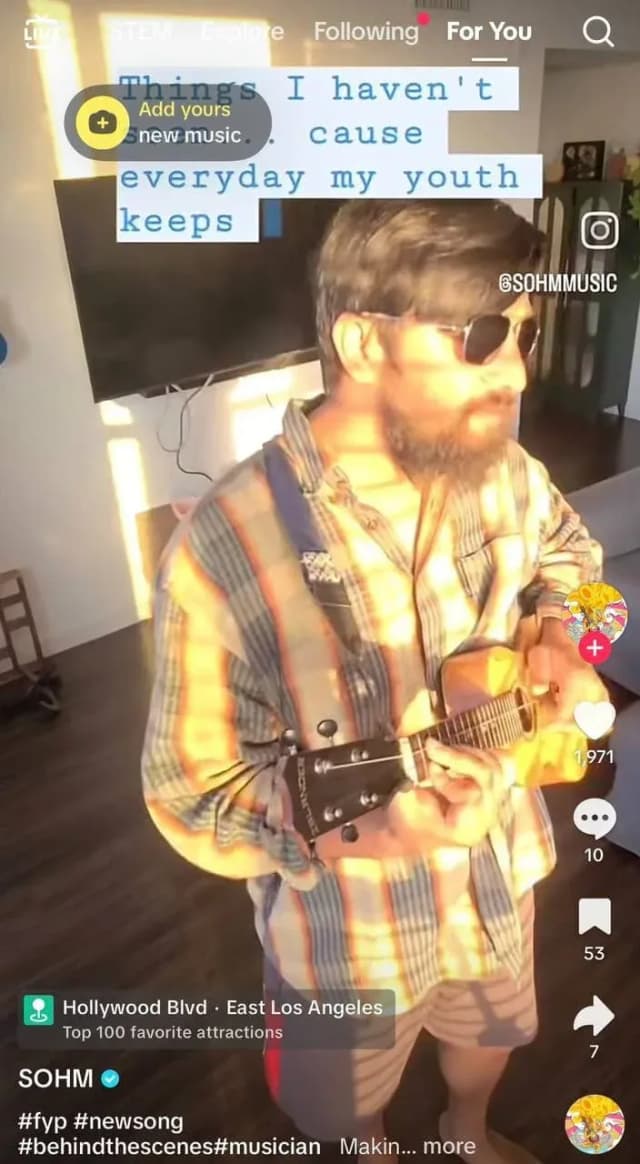
But that doesn't mean you ignore long-form content. You gotta post your track on YouTube as well.
That adds depth and shows your true personality. Show behind the music. Your story, process, even your experiments.
Apart from track, you can also do something like this:
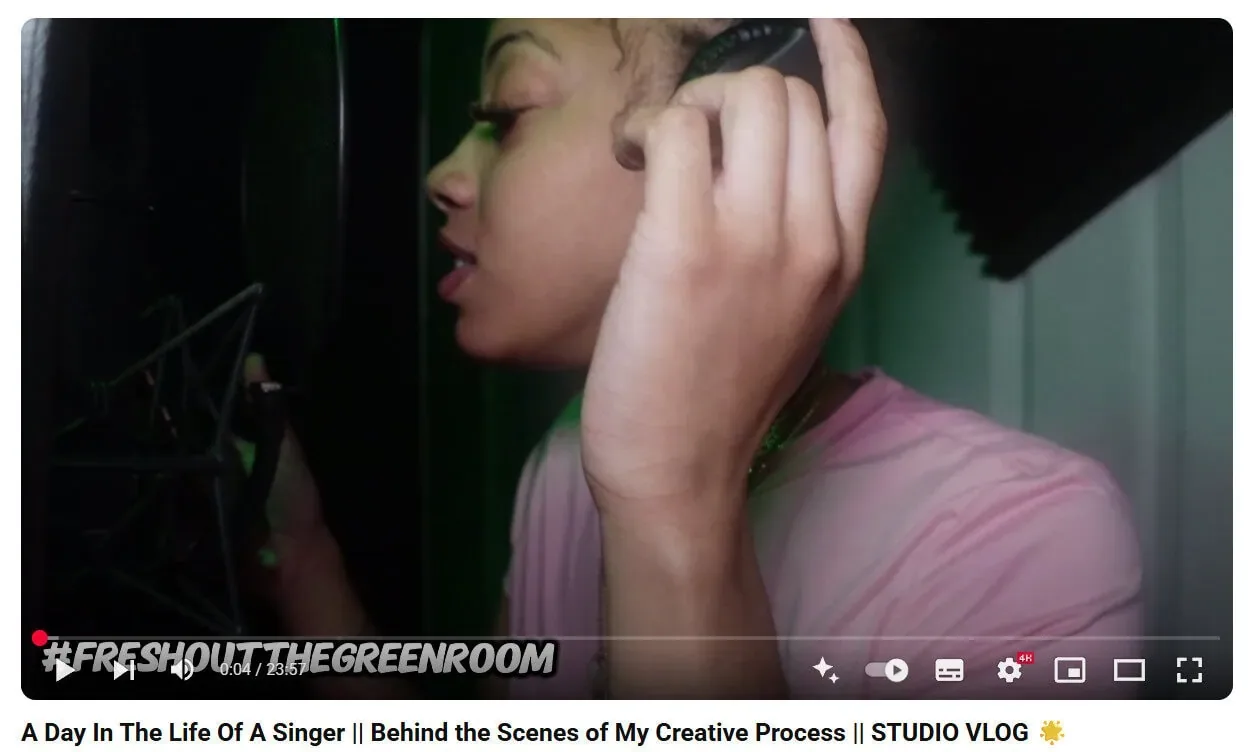
Anyways… Here’s a weekly content plan that you can try out:
- 1 story-based TikTok (like how you wrote your latest song)
- 2 IG Reels showing cool moments or snippets
- 1 YouTube clip (could be a vlog, Q&A, or live performance)
- 1 livestream to connect live and answer fan questions
This mix keeps you visible and builds real connection way beyond just posting randomly.
The artists who win today are not just good musicians, they’re smart storytellers with a system.
Step 6: Network Without Being Desperate
Getting noticed isn’t about begging. It’s about building real connections.
Start local. Open mics, music meetups, and feedback circles are gold.
Jump into niche communities online like Discord servers or Facebook groups for your genre.
When you DM other artists or collaborators, lead with genuine interest and offer something. Don’t just ask for favors.
Think: “Let’s create together,” not “Can you promote me?”
This approach helps you build a supportive network that grows with you.
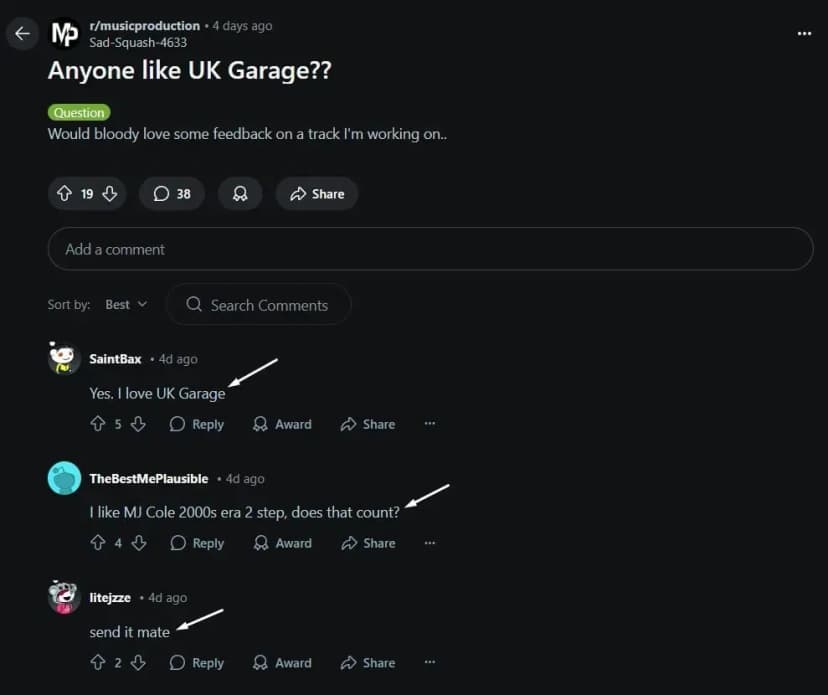
In fact, you can try posting on Reddit and gain some momentum like this:
Step 7: Monetize Sooner Than You Think
Making money from your music isn’t just for the big stars.
Start small with things like merch pre-orders, private lessons, selling beats, affiliate links, or syncing your music to ads and shows.
Don’t wait to “blow up” think like a business from Day 1.
And if you’re a music producer too besides being a vocalist, you really can earn a lot more than you think.
Focus on building multiple income streams that grow with your fanbase.
Step 8: Growth Loops (How to Scale What Works)
The key to growing your music career is to do more of what works.
By creating a sustainable system where your content and fan engagement efforts feed into each other, you can scale efficiently.
This is how you scale.
#1 - Repurpose Content Across Platforms
Don’t reinvent the wheel for every platform. Repurpose your best-performing content to maximize reach and engagement:
- TikTok to Instagram Reels or YouTube Shorts: Share short, engaging clips across multiple platforms to reach different audiences.
- Behind-the-Scenes Content: Transform behind-the-scenes footage into engaging posts or stories that showcase your creative process.
- Live Performance Snippets: Share highlights from live performances to connect with fans who couldn’t attend.
#2 - Build Superfans with Exclusive Content
Superfans are the backbone of a sustainable music career. To cultivate them:
- Offer Exclusive Content: Provide behind-the-scenes footage, early access to new releases, and exclusive live streams to fans who support you
- Create a Community: Utilize platforms like Discord or Patreon to build a community where fans can interact with you in a private network
- Engage Regularly: Maintain consistent communication through newsletters or social media to keep fans engaged and informed
My Last Advice for You
Some habits can kill your music career faster than a live autotune fail on national TV.
One thing I see the most happening with artists these days is they try to make their sound perfect.
You won’t even believe, that’s what I used to do as well.
Dude, don’t wait forever. You need to drop asap and let the audience decide what works or not. Let them grow with you.
Second, having no timeline.
Every artist has their own discography. You can’t release a sad lo-fi album along with rock songs. That just doesn’t add up.
Make sure your audience follows you.
Some FAQs from Artists I Know
Real answers to the most common questions new artists ask.
Can I Start a Music Career at 30?
Yes. Your age doesn’t disqualify you, it gives you perspective. Artists like Sheryl Crow, 2 Chainz, and LP didn’t break out until later.
You don’t need to be 19 to start. You need to be real and consistent.
Do I Need to Move to LA or NY?
Nope. That’s outdated advice.
These days, artists build fanbases from their bedrooms. If your content connects, geography doesn’t matter.
Platforms like TikTok, Instagram, Discord, and YouTube let you go global without leaving your hometown.
If you want to move later, cool. But it’s not required to grow.
How Many Songs Before I See Traction?
Most artists need to release 3–7 tracks before they figure out what works. It’s about feedback, data, and small pivots.
Your first song probably won’t blow up. And that’s normal
Keep going. Each drop is a brick in your foundation.
Should I Pay for PR?
Honestly? No not yet.
Most early artists I know don’t see real results from paid PR.
Instead, pitch your own music to blogs, playlist curators, or micro-creators.
DM people with taste. Offer value.
Save PR for when you’ve got traction and a budget.
What If I Have No Money or Team?
Then you’re like 95% of artists starting out.
Use free tools.
- BandLab for recording
- CapCut, YouCut for editing
- Canva for visuals
- Linktree for your links
- Google Sheets to plan content
- ChatGPT or Notion AI to brainstorm ideas
You don’t need fancy gear or a team to start.
You need a reason and a routine.

SoundCampaign 창립자 겸 CEO
저는 나다브입니다. 지금의 회사를 만들기 전에는 음악을 만들었고, 마케팅에 관심을 갖게 된 것도 거기서 비롯됐습니다. 제가 가장 좋아하는 부분은 분석 쪽입니다. 스트림이 어디서 오는지, 무엇이 움직였고 무엇이 움직이지 않았는지 보는 일이죠. 아티스트에게 진짜 의미 있는 노출을 주기 위해 SoundCampaign을 창업했습니다. 예상보다 훨씬 많은 시간과 노력이 들었고, 그 점은 지금도 크게 다르지 않습니다.

당신의 음악을 알릴 준비가 되셨나요?
매 단계마다 솔직한 피드백과 함께 실제 플레이리스트, 크리에이터, 팬에게 다가가는 수천 명의 인디 아티스트와 함께하세요.
- 봇은 절대 사용하지 않습니다
- 아티스트 보호 프로그램큐레이터나 크리에이터가 트랙을 리뷰하지 않으면 크레딧을 돌려드립니다. 당신의 예산은 항상 보호됩니다.
- 저작권료의 100%를 그대로 유지하세요저희는 레이블이 아닌 프로모션 서비스입니다. 스트림이나 저작권료의 일부도 가져가지 않습니다.