음원 유통
TuneCore vs DistroKid in 2026 (What Changed?)

Nadav Peleg
업데이트됨 · 18분 읽기
I've seen more artists stressing over TuneCore vs DistroKid stuff than their hooks. In this guide, I'll show you which one works for artists like you.


On this page
- TuneCore vs DistroKid at a Glance
- Our Hands-On Testing Results
- Pricing: Which Platform Offers Better Value?
- Royalties & Revenue Split
- Feature Breakdown by Use Case
- Customer Support & Community Feedback
- Some Real Stories: Who's Winning With These Platforms?
- How to Choose Between TuneCore and DistroKid
- Some FAQs You Might Have Comparing Tunecore and Distrokid
- Final Verdict!
Ever caught yourself wondering whether to release through TuneCore or DistroKid, and spending more time on that choice than on actually making music?
At SoundCampaign, over 3000 artists have used both services. We have also tested each platform ourselves by running real releases through them to see where they shine and where they fall short.
Short answer? You can use both and make it work. Long answer? That is where the details, hidden costs, and workflow quirks come in. That is exactly what we are breaking down next.
TuneCore vs DistroKid at a Glance
|
Feature |
TuneCore |
DistroKid |
|---|---|---|
|
Pricing (Starter Plan) |
$22.99 per year for Rising Artist |
$24.99 per year for Musician |
|
Upload Limit |
Unlimited |
Unlimited |
|
Royalty Cut |
100% on major platforms (80% from TikTok, Instagram, YouTube Content ID) |
100% on most platforms (80% from YouTube Content ID only) |
|
Extra Artists |
$14.99 per year per additional artist |
$45 per year plan includes 2 artists |
|
Publishing Admin |
✅ Optional ($75 setup + 15% commission) |
❌ Not offered |
|
Analytics & Insights |
Advanced cross-platform data trend reports |
Basic stats only |
|
Promotional Tools |
Playlist pitching Artist Accelerator Cover Art Creator |
HyperFollow links promo cards |
|
Speed to Stores |
~5–7 days (can vary) |
1–3 days |
|
Video Distribution |
$19/video per year |
$99 per year via DistroVid |
|
Customer Support |
Tiered (1–5 days depending on plan) |
Variable, no guarantee |
|
Best For |
Artists who consider their music a business and want an edge |
DIY artists dropping lots of music fast |
TuneCore: One of the Big Players in the Music Industry
TuneCore has been around since 2006. Back then, if you weren’t signed to a label, your music probably wasn’t making it onto iTunes or Spotify.
TuneCore flipped the script by advancing the independent music distribution model.
They created direct partnerships with major digital stores like iTunes, offering a flat-fee structure that let artists keep 100% of their royalties.
In 2015, a major player in the digital music world, Believe, acquired TuneCore. That gave them a massive boost in resources and industry clout. Today, they do more than just distribution.
Think of them as part distributor, part career booster, with services like publishing administration, sync licensing, marketing tools, and artist development programs.
🚀 DistroKid: The Speed-First, Budget-Friendly Distributor
DistroKid, on the other hand, launched in 2013 with a completely different energy. Its founder, Philip Kaplan, saw how messy and expensive music distribution had become and decided to fix it.
He came up with something super simple: pay a flat annual fee, upload as much music as you want, and keep 100% of your royalties. Boom. Done.
And that simplicity hits hard, doesn’t it?
DistroKid blew up fast among indie musicians, especially the ones releasing songs regularly and just wanting to get it out there, fast and without a fuss.
What’s That One Big Difference Between TuneCore and Distrokid?
Here’s where the two start to really diverge:
TuneCore is part of a big public company. That means more tools, more industry connections, and a big focus on artist growth.
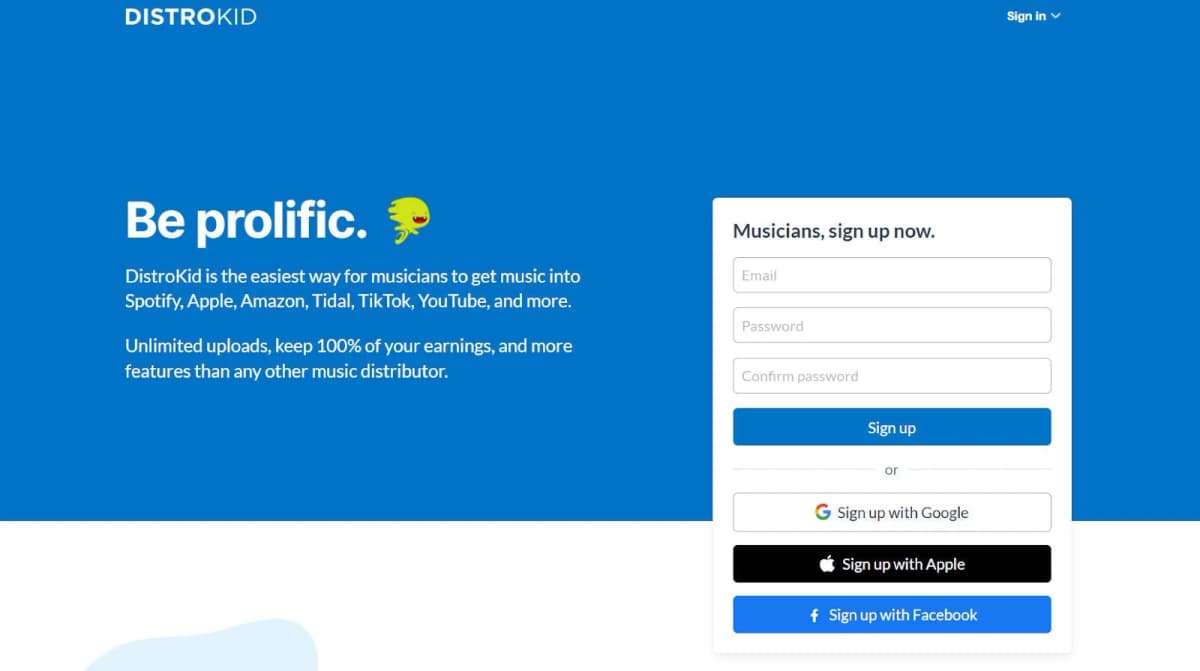
Basically, they’re much bigger. The landing page says it all:
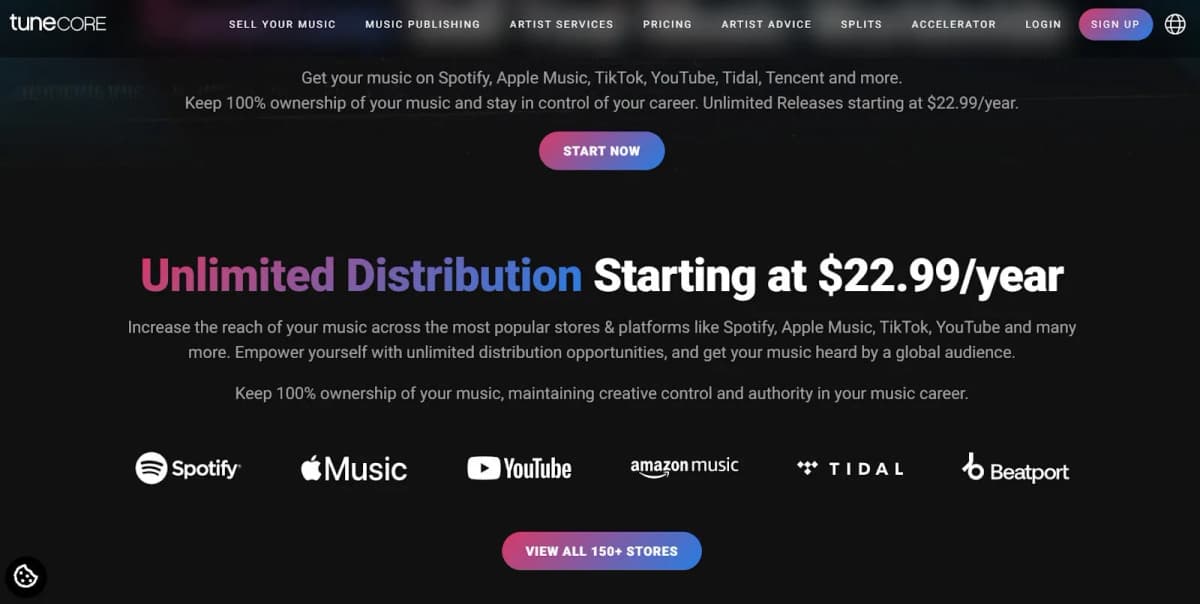
DistroKid is still independent. It sticks to distribution only, and does it clean, quick, and cheap.
But, I don't think they’re as big as Tunecore. Just look at their landing page. It just su… You know the answer!
Our Hands-On Testing Results
At SoundCampaign, we've tried both platforms and here's the walkthrough of each music distribution service. This can help you understand how smooth the process is for both Tunecore and Distrokid.
Tunecore Walkthrough
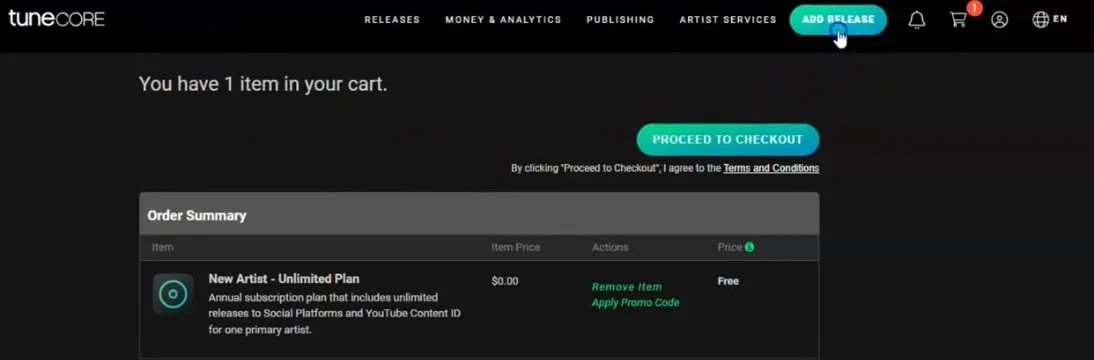
Login to your Tunecore and click on ‘Add Release.’
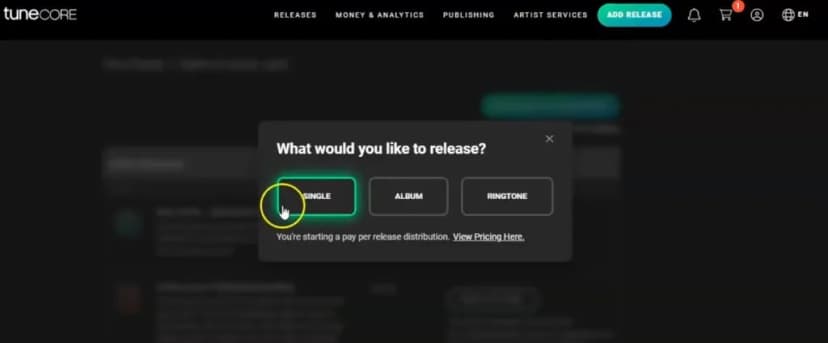
Then choose what you would like to release. In this case, we're uploading a single.
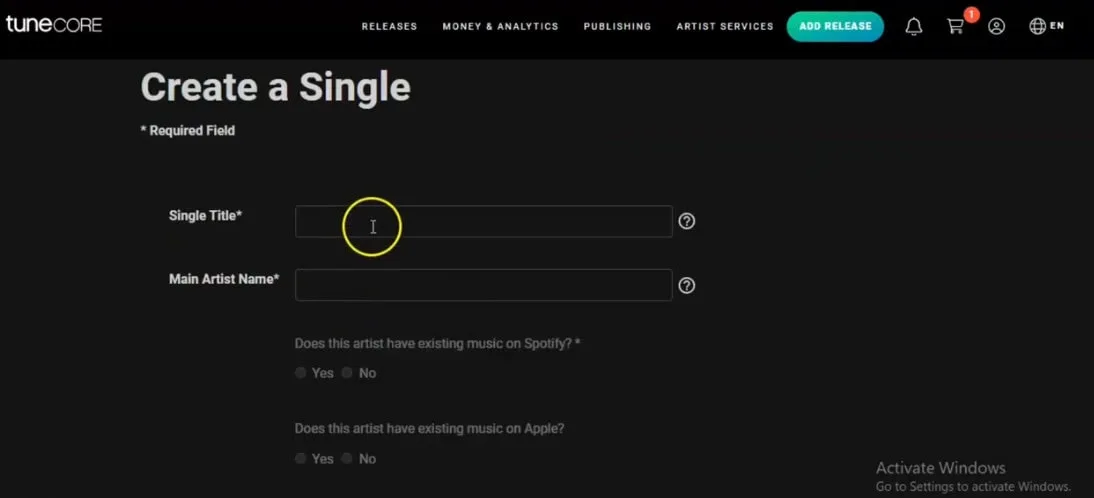
Add all the details of the track:
Choose a release date.
TuneCore allowed us to set a custom release date without needing to upgrade plans.
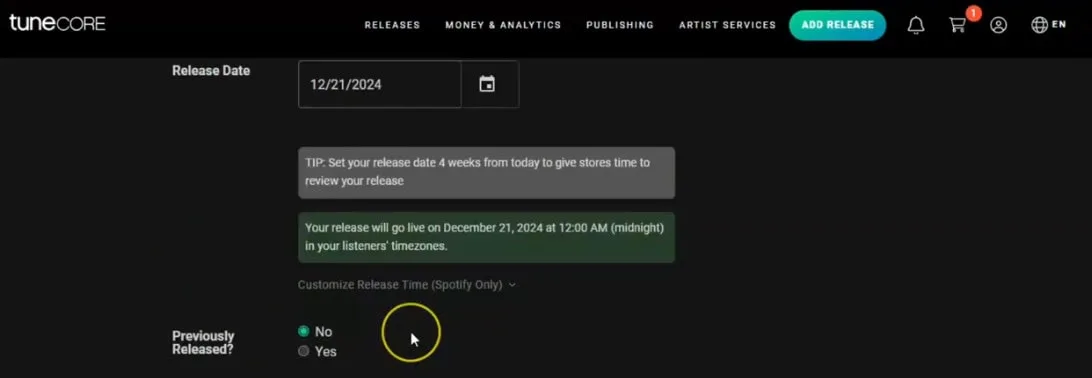
Feedback: Helpful for planned rollouts and coordinated campaigns.
After adding all required info about the track, click on upload.
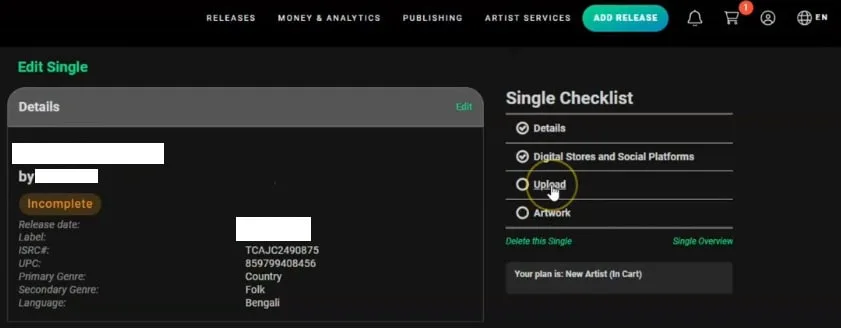
Once you're done, you'll see your track in the cart.
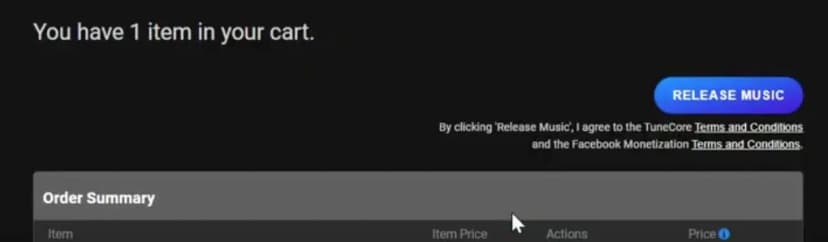
All you gotta do is hit that 'release music' button. That's it.
You'll see a message like this one:
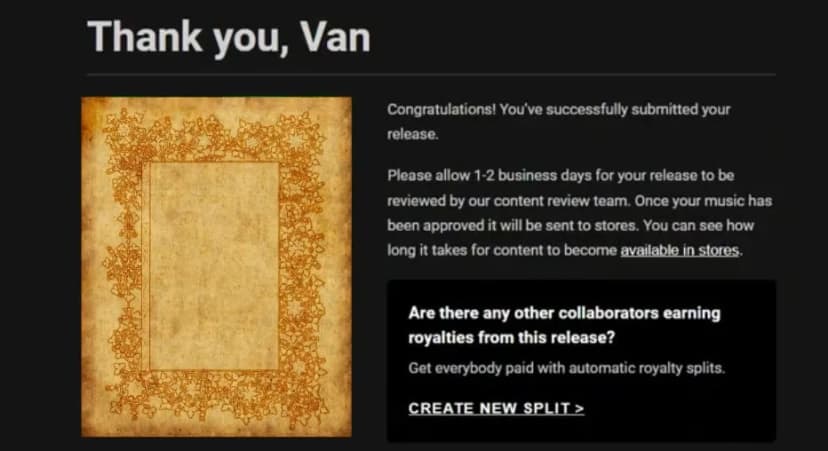
We got the release of the track on most platforms within 3 to 5 business days. That's solid, isn't it?
Here's a little more. After the publish, we could track the analytics from its dashboard:
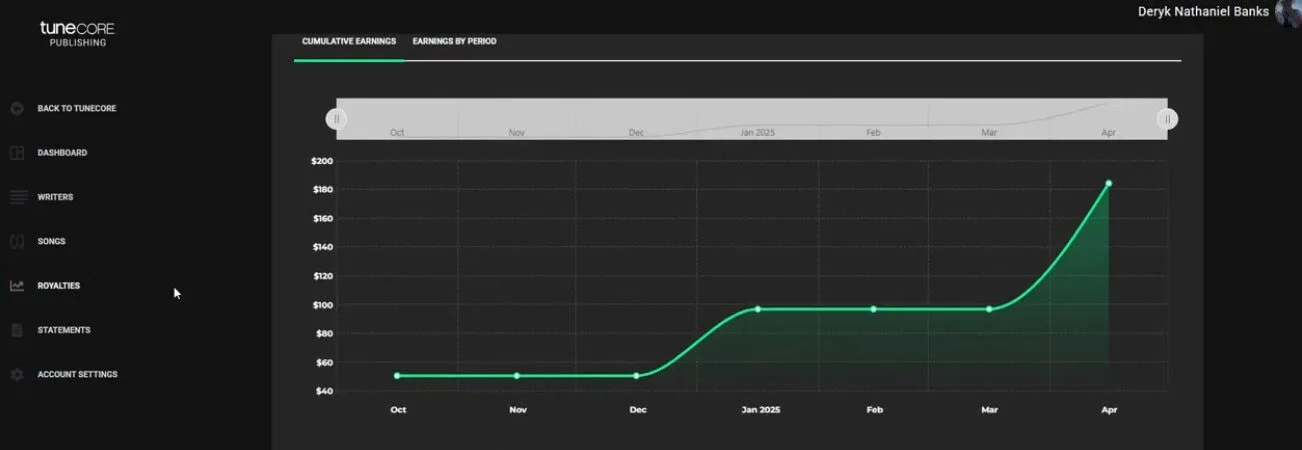
So far, here's a little feedback for Tunecore from SoundCampaign team:
Uploading: Helpful for planned rollouts and coordinated campaigns
Reaching Streaming Platforms: Slower than DistroKid, but more predictable and professional
Dashboard & Navigation: Feels professional and structured for long-term brand building
Customer Support: Responsive and thorough support
Payout Tracking: Transparent and easy to monitor
Distrokid Walkthrough
First, click on upload > upload music.
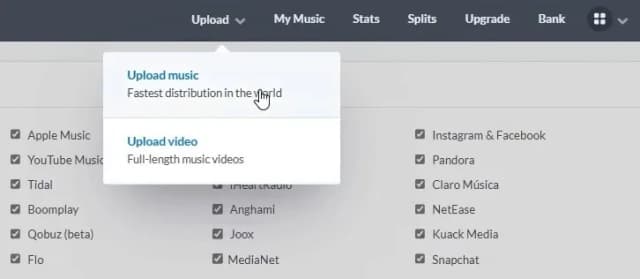
The next thing you’ll see is a checklist of all the streaming services or platforms your track will be distributed to.
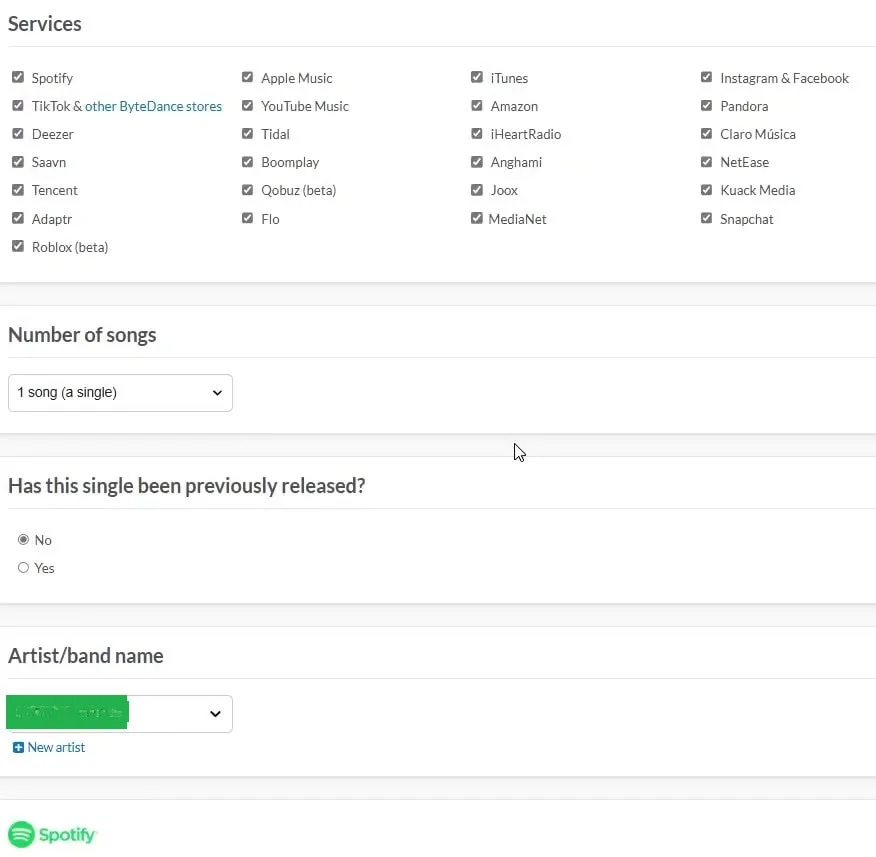
Once you're done checking, fill in other details.
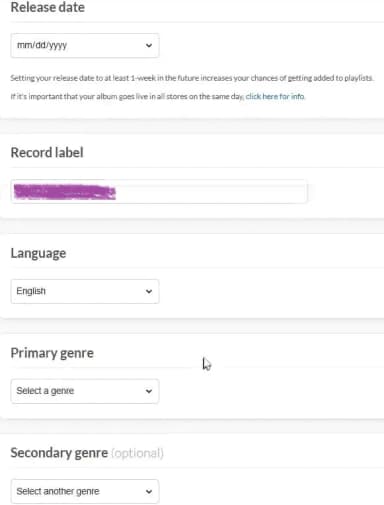
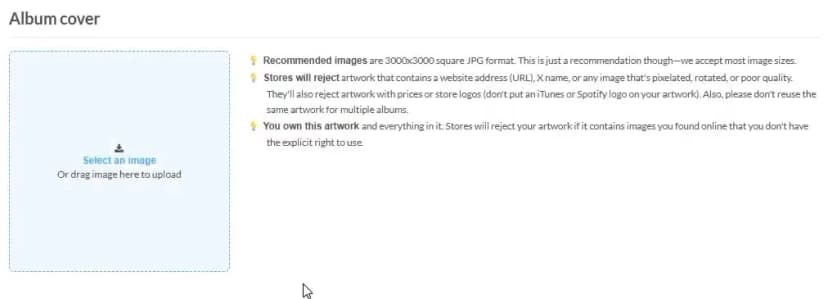
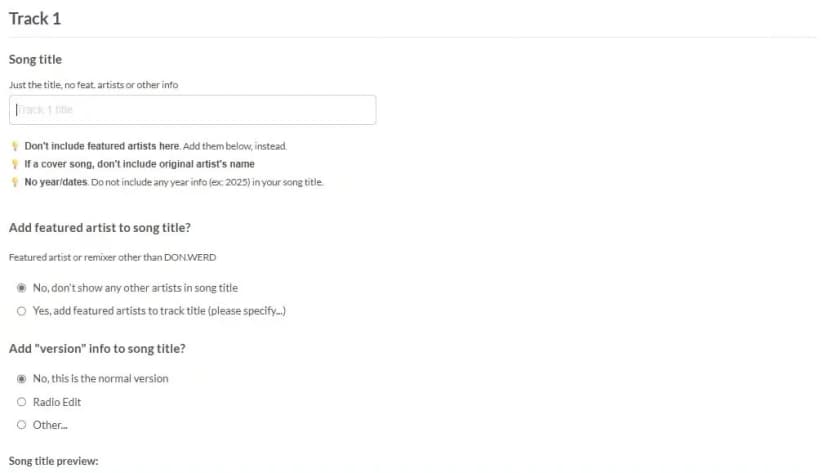
Now if that's done, fill in a little bit more about your track. I know it's a tiresome process. But once you get the hang of it, it'd be easier for you. Tbh, this is same as Tunecore. Not that different.
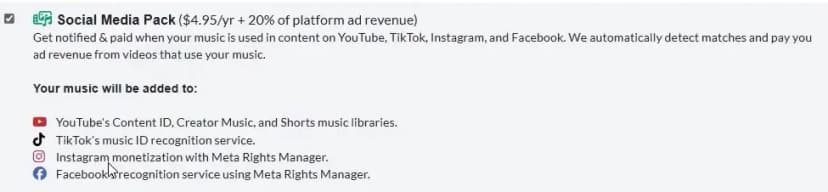
Pick some extras if you'd like. That's totally up to your strategy.
Once you’re done with everything, you’ll see your track like this:
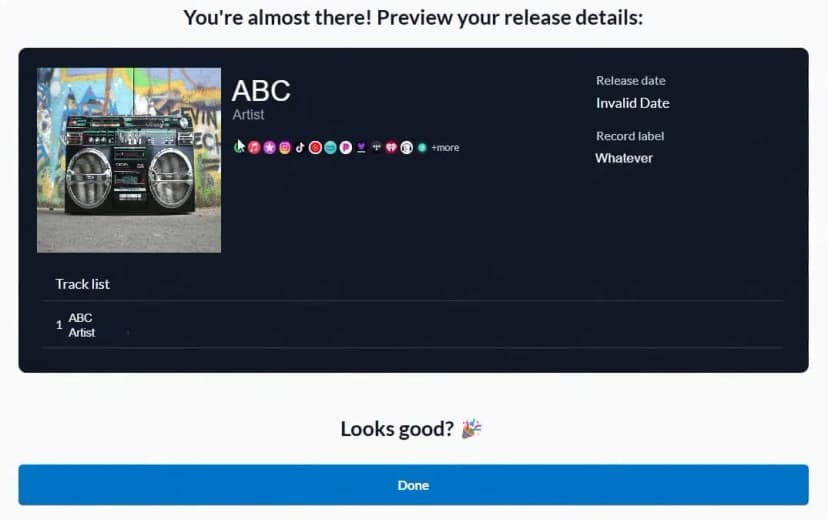
That’s it!
Click on ‘done’ and wait for 2-5 business days to get your music released.
Here's a little feedback about Distrokid from the SoundCampaign team:
Uploading: Super fast but unpredictable timing without scheduling control
Reaching Streaming Platforms: Super fast but unpredictable timing without scheduling control
Dashboard & Navigation: Feels more like a tool for quick uploads than a professional workspace
Customer Support: Slow and impersonal support
Payout Tracking: Works fine, but lacks clarity and takes longer to reflect updates
After going through the entire process on both platforms, here's a summary of what our team experienced while uploading singles and EPs.
|
Feature |
TuneCore |
DistroKid |
|---|---|---|
|
Upload Process |
Guided and professional |
Fast but basic |
|
Release Scheduling |
Included at all levels |
Paid upgrade needed |
|
Distribution Speed |
3 to 5 business days |
Under 48 hours |
|
Dashboard Experience |
Clean and segmented |
Minimal and fast |
|
Customer Support |
48 hours, helpful response |
4 days, generic response |
|
Payout System |
Clear and detailed |
Requires PayPal, slower updates |
Pricing: Which Platform Offers Better Value?
When you're an independent artist funding your own career, money matters. So, let’s break down what each platform charges, what we get in return, and what to watch out for.
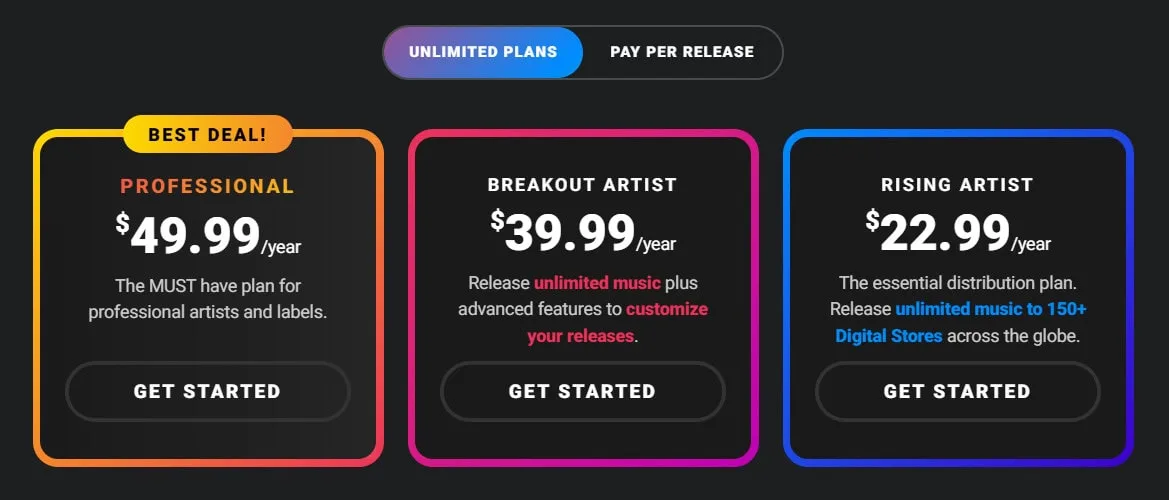
Here’s TuneCore with its unlimited plans:
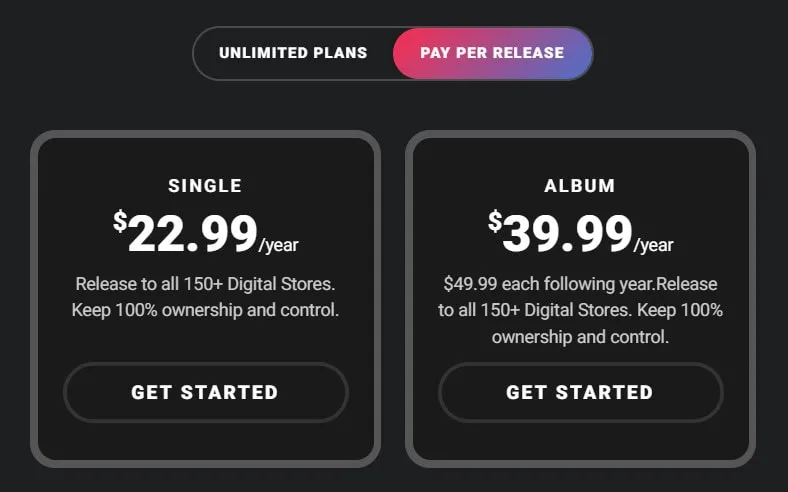
And pay per release plans:
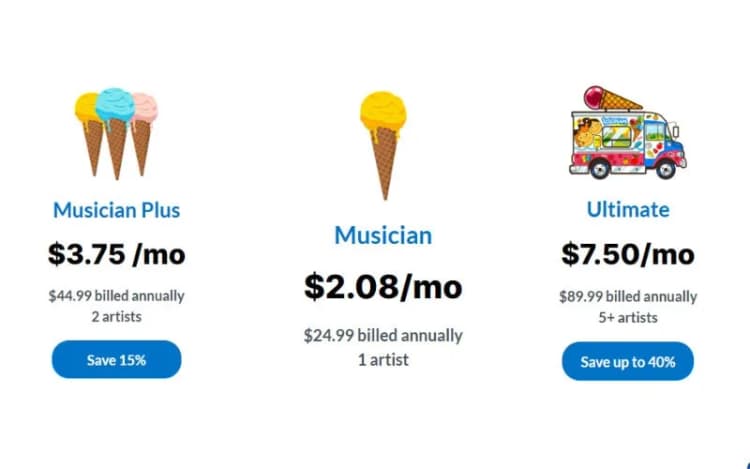
And this what Distrokid looks like:
One Reddit user said something like,
“DistroKid’s Musician plan is an illusion. Once you need extras, you're pushed to upgrade to Musician Plus."
Here’s more info on this you’re interested to know more.
Anyways...
Being a musician, I myself would have problems paying for those extra features. Just see it for yourself:
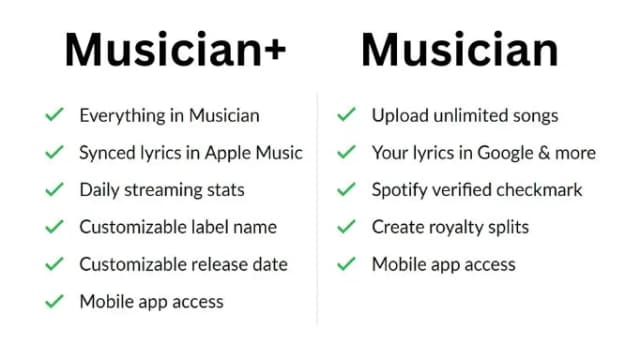
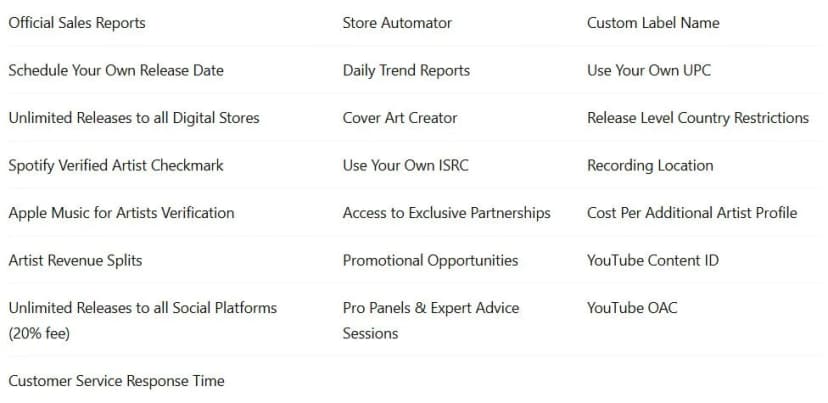
For $45 a year, Distrokid is providing these extra features.
On the other hand, Tunecore is just providing you with exact same features + a little more stuff for just $50 a year.
Here’s what exactly you get:
But hey!
I’m not biased here.
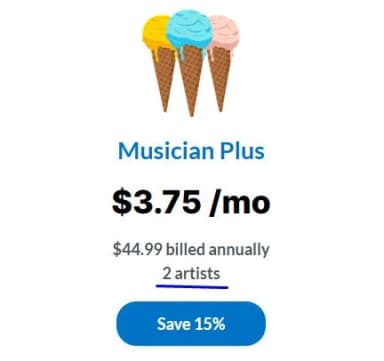
Distrokid allows you to add 2 artists for $45 a year.
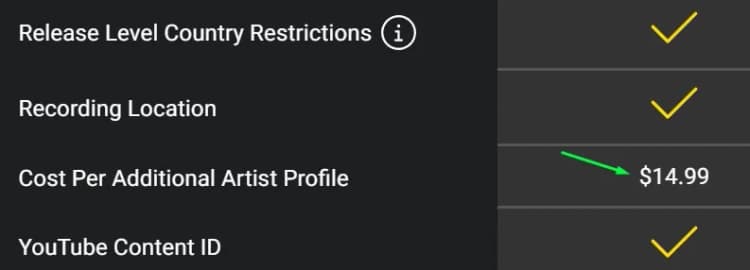
Tunecore's story sounds a bit different. You gotta pay $14.99 a year for every artist you add.
Verdict:
Choose Tunecore if you’re an independent artist. If you’re running a label and want more artists in it, go for Distrokid.
Royalties & Revenue Split
So, you’ve uploaded your music. Now what? The next big question is: how does the money flow back to you?
Let’s compare how TuneCore and DistroKid handle royalties, what you keep, how payouts are split, and how fast you get paid.
TuneCore: Full Royalties but with a Catch
TuneCore delivers 100% of royalties from streaming and downloads on major platforms like Spotify and Apple Music.
But there's a catch: they take a 20% cut from social platforms (TikTok, Instagram) and YouTube Content ID.
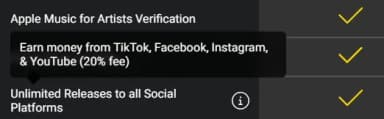
That percentage matters when your track catches fire.
What you get:
- 100% of streaming/download revenue from major platforms
- 80% of social platform and YouTube Content ID revenue
- Automated royalty splits with collaborators
- Optional publishing royalties via their Publishing Admin service
- Tiered customer service response times (24-72 hours based on plan)
DistroKid: (Almost) 100% Yours
DistroKid built its reputation on simplicity and keeping your money yours. But just like Tunecore, they have an exception too.
They also take 20% from YouTube Content ID, but leave social platform revenue out of it.
What you get:
- 100% of revenue across most platforms (including social)
- 80% of YouTube Content ID revenue
- Unlimited automated royalty splits via "Teams"
- Bi-weekly payment processing
- $6 minimum payout threshold
- 2-3 month wait for payouts (industry standard)
The cleaner approach and full social platform revenue make DistroKid particularly valuable if you're building an audience on TikTok or Instagram.
Verdict:
Are you the artist who goes viral on TikTok and Instagram more than on YouTube?
In that case, you might think Distrokid is the winner here.
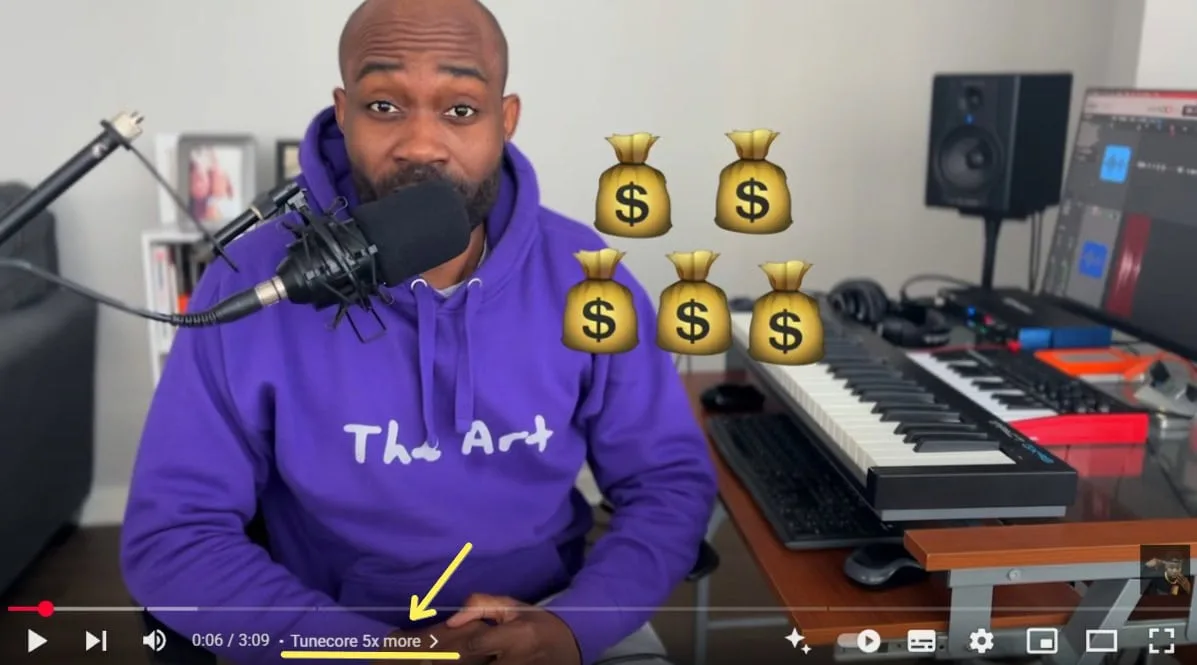
Not at all. Many artists claim that Tunecore pays way more than Distrokid for streams. In fact, here's an artist who thinks Tunecore pays 5X more than Distrokid.
Feature Breakdown by Use Case
TuneCore distributes to over 150 platforms globally, basically anywhere your music needs to go.
They also offer territory-level control and strategic partnerships with services like Tidal, Twitch, and a licensing tool called TuneCore Sync for placements in film, TV, and games.

On the other hand, DistroKid doesn't reveal a specific number of platforms they work with.
But as far as I know, they’re hitting all the major ones.
Their appeal is in fast, streamlined service. Songs often go live in 2 to 4 business days.
Add-ons like DistroVid offer music video distribution for a fee, but there's no focus on sync or promotional partnerships.
Speed to Stores
- DistroKid: Anywhere between 24 hours to 7 days
- TuneCore: About 7 days (some artists experienced delays and approval issues)
Verdict:
For quick drops and regular releases, DistroKid wins on speed.
If you want a broader international reach or industry tools like sync licensing, TuneCore is your best bet.
Additional Features
Once your song hits streaming platforms, your work isn’t done.
You need to promote it, track performance, collaborate with others, and possibly pitch for playlist placements or sync deals.
Both TuneCore and DistroKid offer tools to support this next stage of your career, but their focus and depth are quite different.
Here's how they compare across the features that matter most.
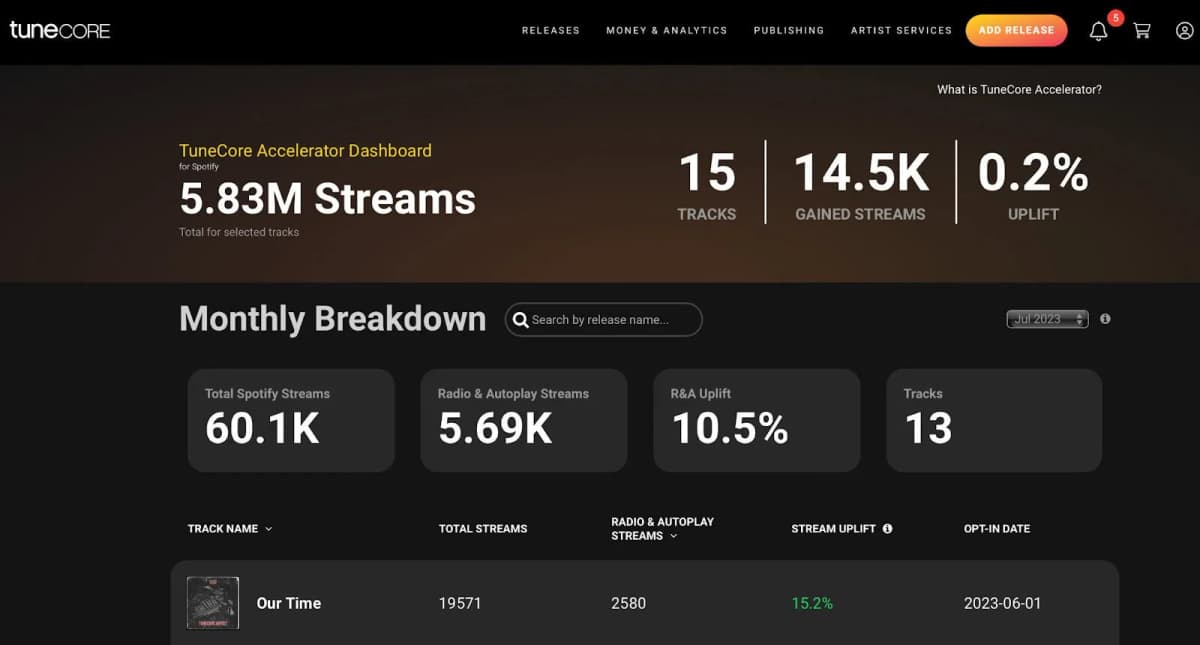
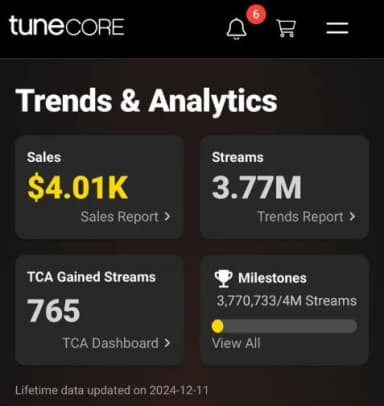
🔍 Analytics & Insights If you’re the kind of artist who wants to dig into the data to understand who's listening from where and how, TuneCore got your back.
Their Trends & Analytics Dashboard offers real-time, cross-platform metrics, including daily reports that break down performance in detail.
It's designed for artists trying to build a strategy from data.
Just look at these kinda stats. It’s sexy, isn’t it?
DistroKid, on the other hand, provides essential stats like daily sales and streaming counts (on certain plans).
This. Is. Quite. Boring.
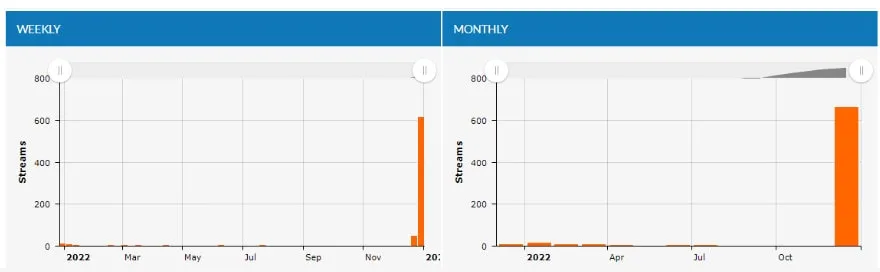
Distrokid must upgrade their interface. I don’t know if they’re living in 2008 or what.
🎨 Visual & Branding Tools Branding matters, and both platforms approach this differently.
TuneCore includes a Cover Art Creator tool that allows you to release artwork from templates, which is ideal if you want something custom without paying a designer.
But yeah, this is only available to breakout and professional artists.
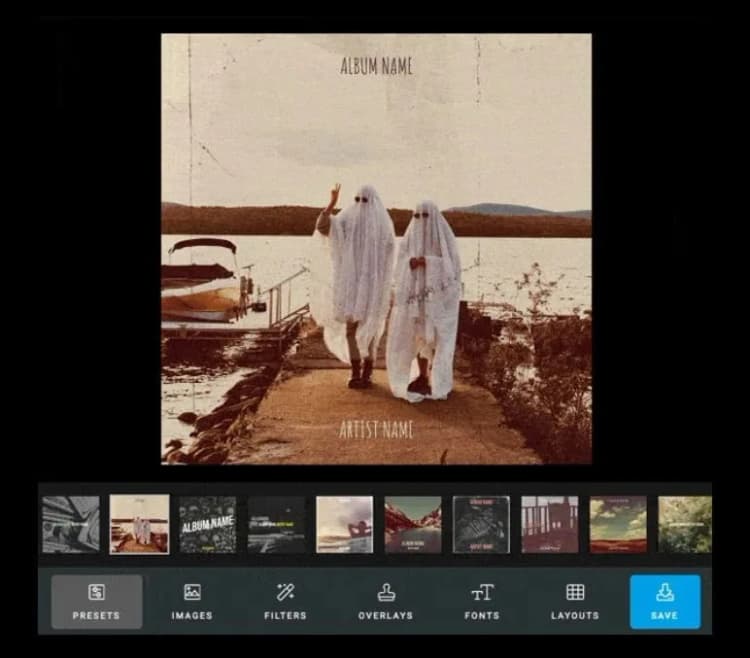
Also, DistroKid leans more into quick social promo, offering mini videos and promo cards that auto-generate visuals tied to each release.
I believe there should be no comparison between Distrokid and Tunecore’s artist services. It really depends on what you’re looking for.
You can check here what extras both are giving to their artists:
📢 Promotion & Audience Growth
This is where TuneCore really differentiates itself. Through its Artist Accelerator Program, artists gain access to playlist pitching, marketing strategy, and career development support. The results are tangible.
Artists like LEXXE have landed editorial playlists and grown niche audiences using their program.
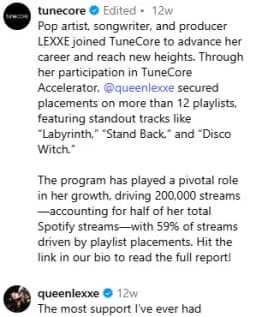
Tunecore has industry professionals who navigate playlist pitching, editorial coverage, and more.
DistroKid doesn’t do any of that. Basically, they don’t have human-led marketing support.
They just empower artists to move fast with tools like HyperFollow, a smart link that updates automatically when your release goes live.
But seriously, Linktree, Hypeddit, and Beacons are far better for such jobs.
📺 Video Distribution (Add-On) DistroKid has an optional add-on called DistroVid, which lets you push your videos to platforms like Apple Music, Vevo, and Tidal for $99/year.
It’s a helpful extra if you're releasing videos alongside your tracks.
On Tunecore, it’s a lil bit expensive. There you have to pay $19/video on an annual basis. Not a good deal.
Verdict:
TuneCore gives you real tools: playlist pitching, sync licensing, detailed analytics, publishing admin. Stuff that grows your career and your checks.
DistroKid is for speed. Fast uploads, basic stats, DIY promo tools. No strategy, just distribution.
If you’re building a business, TuneCore wins.
If you’re just dropping tracks, DistroKid keeps it simple.
As an artist I'd say Tunecore has an upper hand here because it goes well for artists who take their music seriously and treat it like a business.
Customer Support & Community Feedback
TuneCore’s service depends on the type of plan you’re on.
- Professional: 1 business day
- Breakout: 2 business days
- Rising: 3 business days
- New Artist: 5 business days
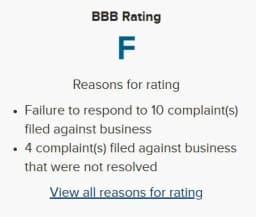
The biggest red flag for me is Tunecore’s Better Business Bureau rating.
See? How much messed up they look here:
DistroKid's Story
As compared to Tunecore, Distrokid doesn’t have that bad reputation on BBB.
While some releases go smoothly, BBB complaints show others waiting weeks for basic help.
Since Distrokid laid off 37 support staff, it looks like the response time has become unpredictable.
Verdict:
TuneCore gives you structure but struggles with results. Their BBB rating is an F for a reason. DistroKid is more flexible but less predictable, especially after the layoffs.
If you want scheduled support and can live with red tape, go TuneCore Pro. If you're self-sufficient and okay solving things on your own, DistroKid is still usable.
Neither nails support. Pick the one where you will need it the least.
Some Real Stories: Who's Winning With These Platforms?
Tunecore’s Side TuneCore isn’t just pushing tracks out into the void. They’re in the trenches with artists, helping them build real momentum.
Their Accelerator Program isn’t fluff either. It delivers.
Take Alexandra Kay as an example.
She hopped on TuneCore in 2015, plugged into the Accelerator, and the numbers don’t lie.
Spotify streams went up to 152%, over 12 million of those directly tied to the program, and she cracked 100 million total.
Her debut album hit number one on iTunes. Not just in the country, but across all genres in the US.
Then Pandora stamped her as one of their "Country Artists to Watch." Safe to say, she’s not just watching the charts anymore. She’s on them.


Another example is LEXXE, a pop artist who joined in 2023 to expand her reach.
Through playlist pitching and platform support, she landed placements on more than 12 editorial playlists, including New Pop Picks and New Music Friday Denmark.
Her goth-pop single "pov: final girl" became a breakout track, with over 200,000 streams, most coming from playlist exposure. She credited TuneCore with helping her find the niche fanbase she had been missing.
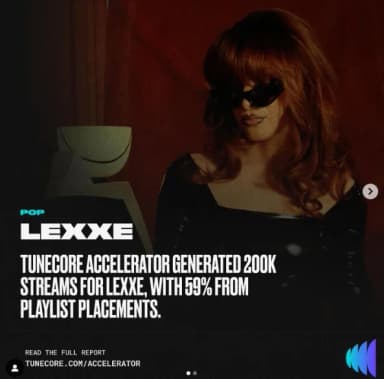
These examples show how TuneCore’s curated support helps artists break into sub-genres and find their audience more effectively.
Distrokid’s Side DistroKid doesn’t show off case studies on their website, but you may see them talking a lot about themselves on social media.
The best part? Tunecore itself said some positive things about them.
This is what Jeff Prince, the Founder of Tunecore, said about Distrokid in 2018:
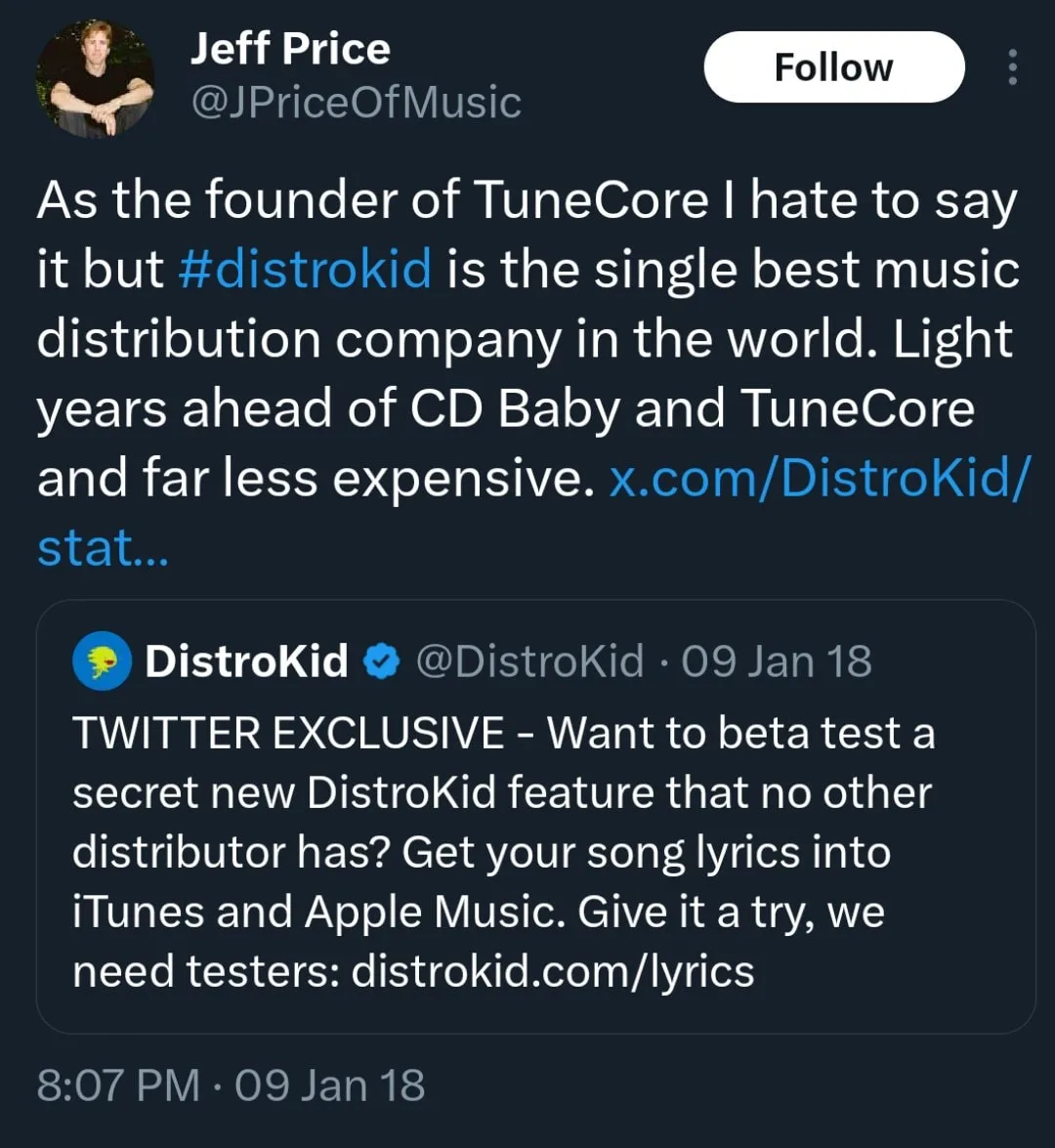
That's huge coming from the competition's founder!
Apart from this, there have been certain claims by Distrokid that proves them as one of the best in the industry.
For instance, see what Distrokid has said about Arizona Zervas:
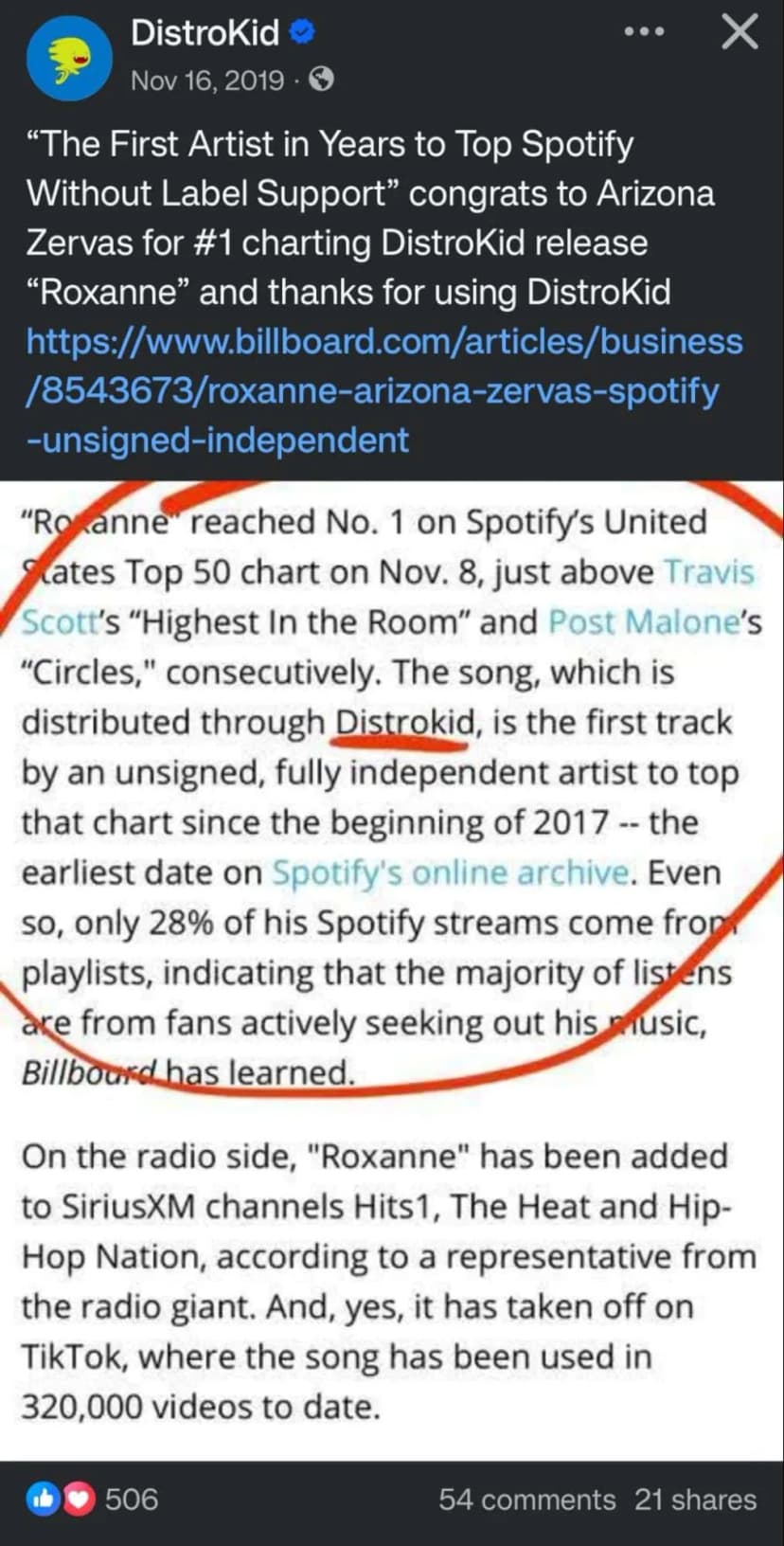
Verdict: After we have seen what artists have achieved with both distributors, there’s no point in taking sides here.
Both are really good at what they’re doing and have respect for each other.
How to Choose Between TuneCore and DistroKid
Choose TuneCore If:
You're Serious About Publishing Money
- You want full publishing admin including mechanical, performance, and sync royalties
- You're aiming for placements in TV, film, or games
- You're fine with paying $75 per writer for setup and a 15 percent cut on royalties
- You accept that sync licensing pays out at a 50 percent commission rate
- You want faster royalty collection through TuneCore's global network
- You need in-depth analytics including TikTok and real-time performance data
You've Got Complex Collabs
- You work with collaborators using different distributors and need a flexible split system
- You want to recover production costs before sharing revenue by using Priority Payouts
- You like the fact that there is no minimum payout amount to access your earnings
- The platform allows detailed and customizable payout setups across collaborators
You Want a Feature-Rich, All-In-One Setup
- You prefer paying upfront for features like playlist pitching and royalty splits
- You want built-in tools like analytics dashboards and trend tracking
- You need accurate store-level reporting across platforms
- Release times vary by platform but generally start distribution within 1 to 2 business days
Pricing update: TuneCore now uses unlimited plans. Free for social-only. Rising Artist is $22.99 per year, Breakout Artist is $39.99, and Professional is $49.99. The legacy pay-per-release model still exists for singles and albums, with albums renewing at $49.99 each year.
Choose DistroKid If:
You're a Release Machine
- You constantly release singles, EPs, or remixes and need speed and volume
- Releases typically go live within 1 to 5 days across platforms
- You want unlimited uploads for $24.99 per year on the basic plan
- You can split royalties even with collaborators who are not DistroKid members
You're Budget-Conscious
- You want a low-cost entry point and are okay with paying for extras as needed
- Publishing admin and deep analytics are not a priority at this stage
- You just need reliable tools to distribute your music efficiently
You Keep It Simple
- You're focused mainly on streaming and digital platforms
- You don’t need royalty recoup features or cross-platform splits
- You want a fast and simple upload process without unnecessary extras
- You plan to handle licensing and sync deals independently
Heads up: DistroKid's Leave a Legacy is $29 per single or $49 per album. YouTube Content ID is bundled under extras like the Social Media Pack and may have varying costs.
Smart Play?
Plenty of artists use both. Use DistroKid for speed and volume. Use TuneCore when rights, royalties, and revenue tracking become critical.
Start with the one that fits your current strategy. Add the other when you're ready to scale and take control.
Some FAQs You Might Have Comparing Tunecore and Distrokid
Q: Can I use both TuneCore and DistroKid at the same time? A: Yes, you can use both platforms. However, avoid uploading the same song to both at once, as it can cause duplication issues on streaming platforms. If you switch distributors, take down the release from the first one before re-uploading
Q: Which is better for releasing singles? A: DistroKid is better suited for quick single releases due to its low entry cost and fast publishing speed. It’s ideal for artists who release casually or frequently.
Q: Which platform is better for albums and EPs? A: TuneCore provides more stability and professional tools for managing larger releases like albums or EPs. It also offers better scheduling, publishing support, and metadata control.
Q: Does TuneCore collect publishing royalties? A: Yes. TuneCore offers a separate Publishing Administration service that helps you collect global songwriting royalties. Learn more here.
Q: Does DistroKid offer publishing services? A: No. DistroKid does not currently offer publishing administration. You’ll need to use a third-party service like Songtrust if you want to collect publishing royalties.
Q: Can I switch from DistroKid to TuneCore? A: Yes, but you’ll need to manually take down your music from DistroKid before re-uploading it to TuneCore. Make sure to keep your ISRC codes and metadata consistent to avoid losing streams.
Q: Does either platform let you set a custom release date? A: TuneCore allows custom release dates on all plans. DistroKid only allows this on the Musician Plus or higher-tier plans.
Q: How fast does DistroKid distribute music? A: In most cases, DistroKid distributes to major platforms within 24 to 48 hours. However, some platforms may take longer depending on processing times.
Q: Which platform pays faster? A: Both offer monthly payouts. TuneCore’s reporting is generally more transparent, while DistroKid requires PayPal and may have slight delays in visibility of earnings.
Q: Can I release cover songs through either platform? A: Yes, DistroKid offers a built-in licensing feature for cover songs (through its partnership with Easy Song Licensing). TuneCore requires you to secure your own license before uploading.
Final Verdict!
Here’s the truth: Distribution doesn’t make your music successful. Strategy does.
The best platform in the world won’t help if you don’t have a plan. So before you choose, ask yourself:
- How often will I release?
- Do I want playlist placements and sync deals?
- Am I building a business, or just sharing songs?
Once you know the answers, picking between TuneCore and DistroKid gets much easier.
Whatever you choose, keep this guide bookmarked. The music industry evolves fast, and so should your strategy.

SoundCampaign 창립자 겸 CEO
저는 나다브입니다. 지금의 회사를 만들기 전에는 음악을 만들었고, 마케팅에 관심을 갖게 된 것도 거기서 비롯됐습니다. 제가 가장 좋아하는 부분은 분석 쪽입니다. 스트림이 어디서 오는지, 무엇이 움직였고 무엇이 움직이지 않았는지 보는 일이죠. 아티스트에게 진짜 의미 있는 노출을 주기 위해 SoundCampaign을 창업했습니다. 예상보다 훨씬 많은 시간과 노력이 들었고, 그 점은 지금도 크게 다르지 않습니다.


당신의 음악을 알릴 준비가 되셨나요?
매 단계마다 솔직한 피드백과 함께 실제 플레이리스트, 크리에이터, 팬에게 다가가는 수천 명의 인디 아티스트와 함께하세요.
- 봇은 절대 사용하지 않습니다
- 아티스트 보호 프로그램큐레이터나 크리에이터가 트랙을 리뷰하지 않으면 크레딧을 돌려드립니다. 당신의 예산은 항상 보호됩니다.
- 저작권료의 100%를 그대로 유지하세요저희는 레이블이 아닌 프로모션 서비스입니다. 스트림이나 저작권료의 일부도 가져가지 않습니다.