Promoción en Spotify
16 Spotify Playlist Promotion Tips That Actually Work in 2026

Nadav Peleg
Actualizado · 11 min de lectura
Struggling to get streams? These 16 Spotify playlist promotion tips show what helps you grow your audience, land playlists, and get heard.


On this page
- #1 - Know the Playlist Type
- #2 - Fix Your Spotify Profile
- #3 - Fix Your Metadata
- #4 - Pitch Editorial Early
- #5 - Pitch Context, Not Hype
- #6 - Build Pre-Saves and Follows
- #7 - Release Mid-Week
- #8 - Hook the Listener Fast
- #9 - Push Saves in the First 48 Hours
- #10 - Start Small with Curators
- #11 - Personalize Outreach
- #12 - Research via Similar Artists
- #13 - Promote Every Placement
- #14 - Build Your Own Playlist
- #15 - Make the Playlist Searchable
- #16 - Kill Fake Streams Fast
- FAQ
- Final Advice
In my 8 years of building SoundCampaign, I can tell playlist promotion is not about finding one giant playlist that saves your career.
It’s more about getting into the right playlists so that your track goes in front of the right audience. This is how you get saves, replays, follows, personal playlist adds, and more importantly, low skips. Basically, you get real listeners.
In this blog post, I’ll share 16 Spotify playlist promotion tips that can save your hours of research and finally get your music heard on Spotify.
#1 - Know the Playlist Type
There are three playlist types on Spotify: editorial, algorithmic, and community.
Editorial playlists are run by Spotify staff. You’ll see a Spotify icon next to such playlists.
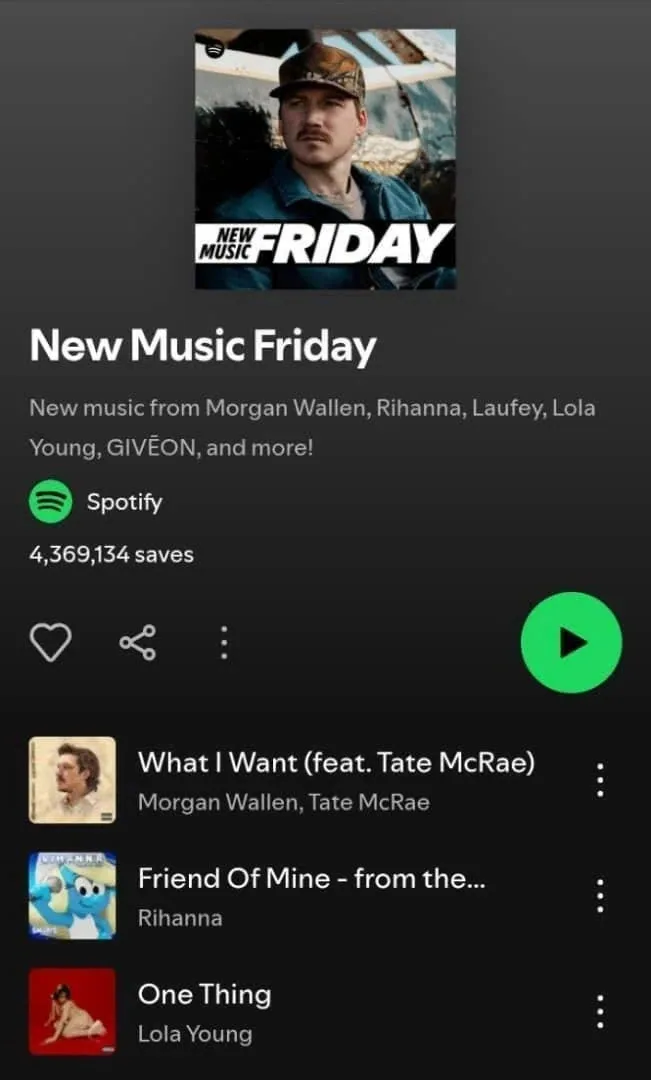
Algorithmic playlists are things like Discover Weekly, Release Radar, and Radio. As you can see, these are “made for” playlists.
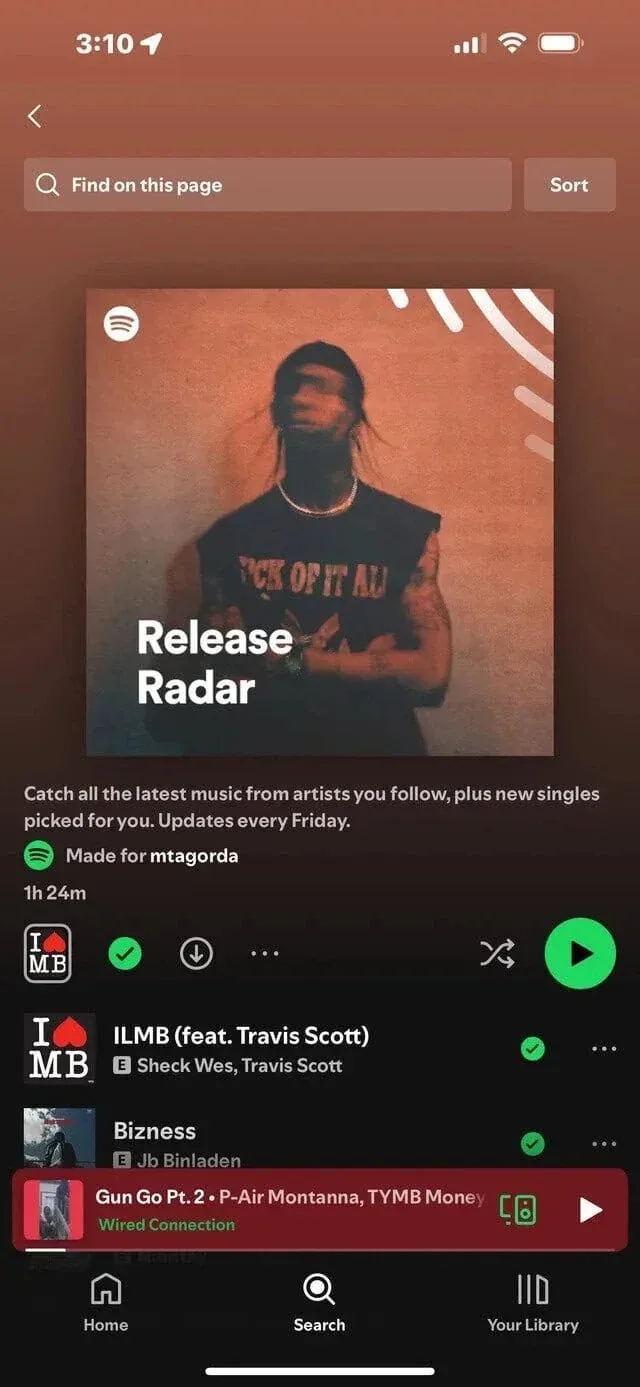
Community playlists are run by users, curators, blogs, tastemakers, and niche music accounts.
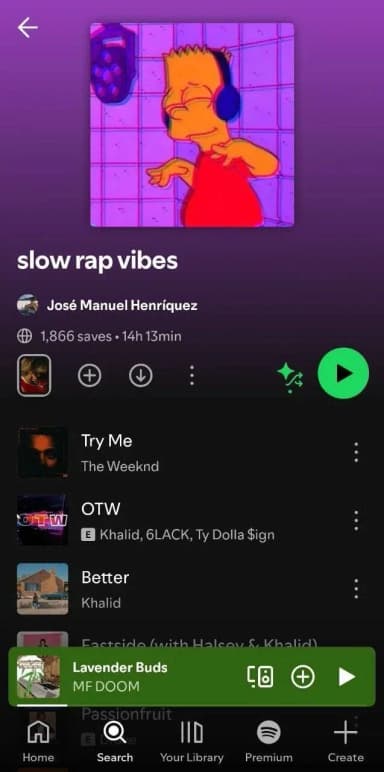
Each one responds to a different move.
Editorial needs a strong pre-release pitch.
Algorithmic needs engagement signals.
Community playlists need research and outreach.
As an expert in the music marketing industry, I can vouch for the fact that community playlists have the power to get you into every playlist.
When artists land in community playlists using SoundCampaign, they get in front of the right listeners. Therefore, their chances of getting into editorial and algorithmic playlist increases due to crazy engagement signals they get.
Let’s suppose your tracks are something I can play while driving late at night and you get access to a playlist like this one:
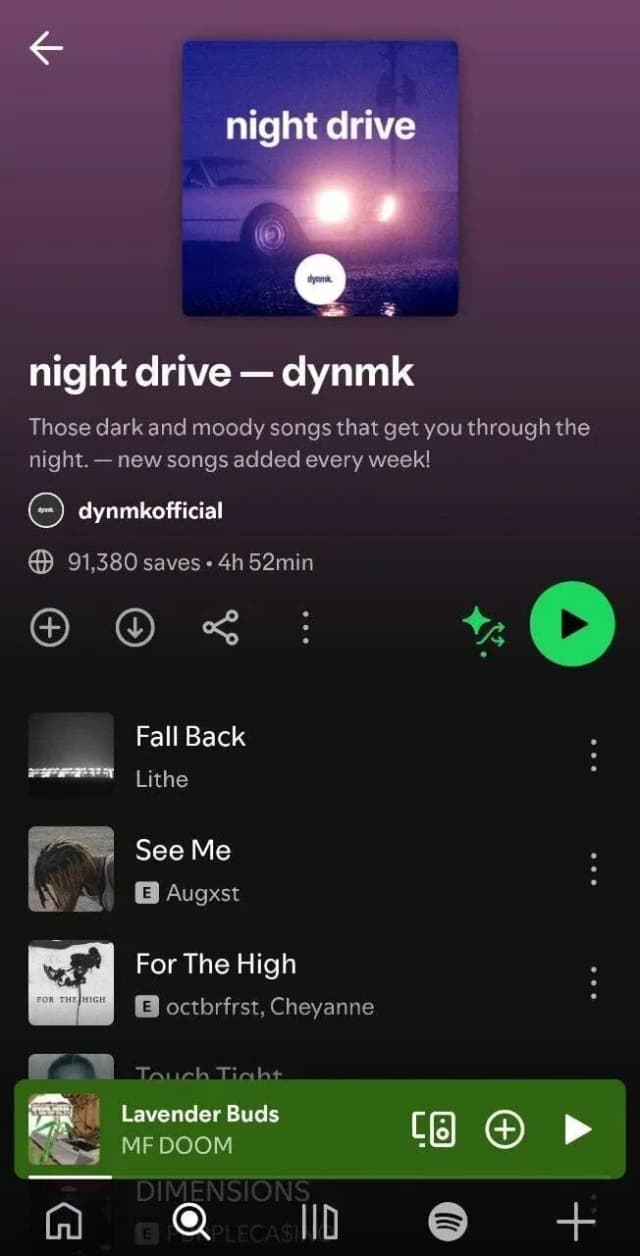
Yes, the next thing you’ll observe is a great positive impact on your skip rate, retention, likes, saves, etc.
These signals mean something for you in the long run. Spotify will start showing you more.
#2 - Fix Your Spotify Profile
An empty profile is a sign of a noob artist. If a curator clicks through after hearing the track and lands on a dead profile, you lose trust right there.
A famous artist like Central Cee can get away with an empty profile, but you definitely need to beef yours up when starting.
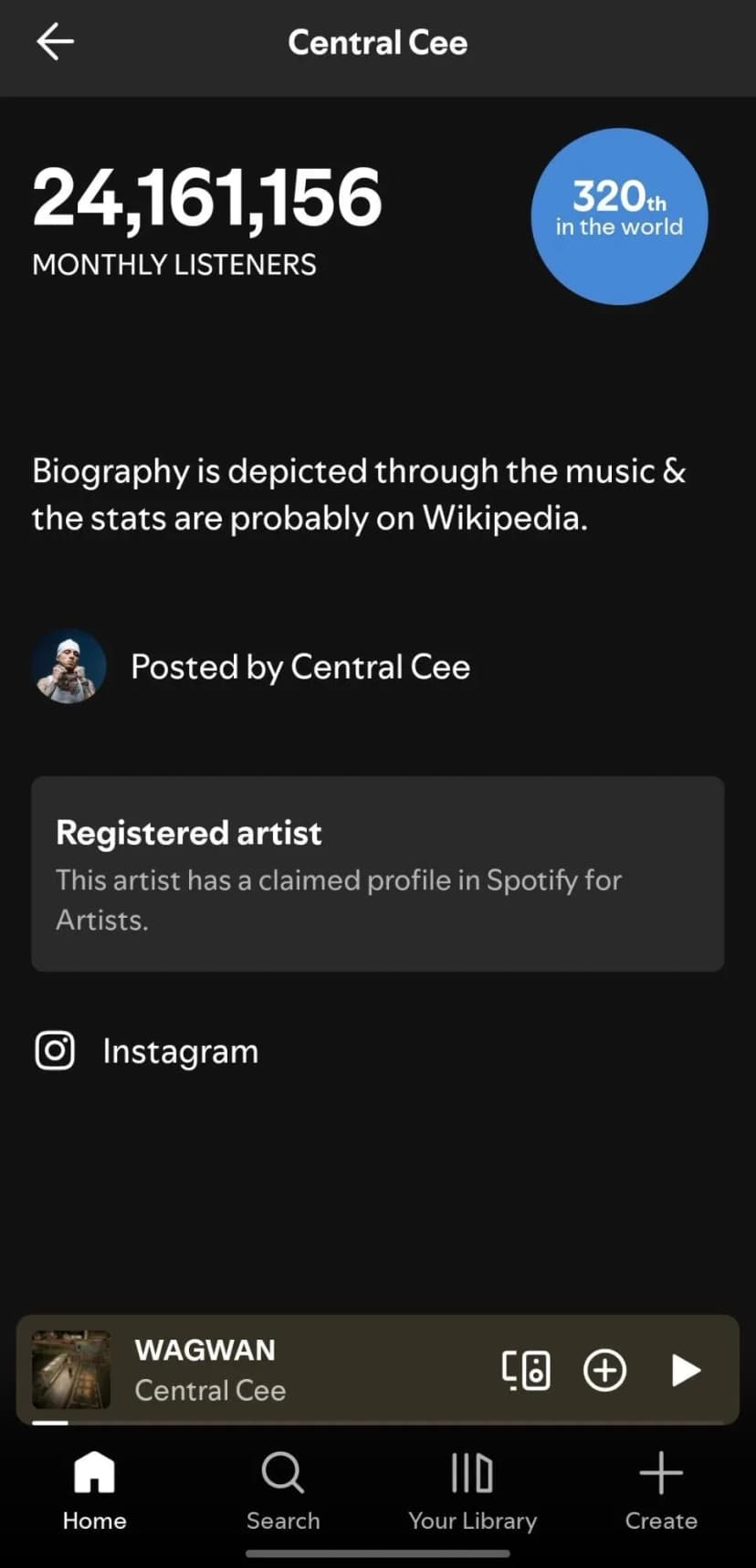
Follow Loreen's example instead:
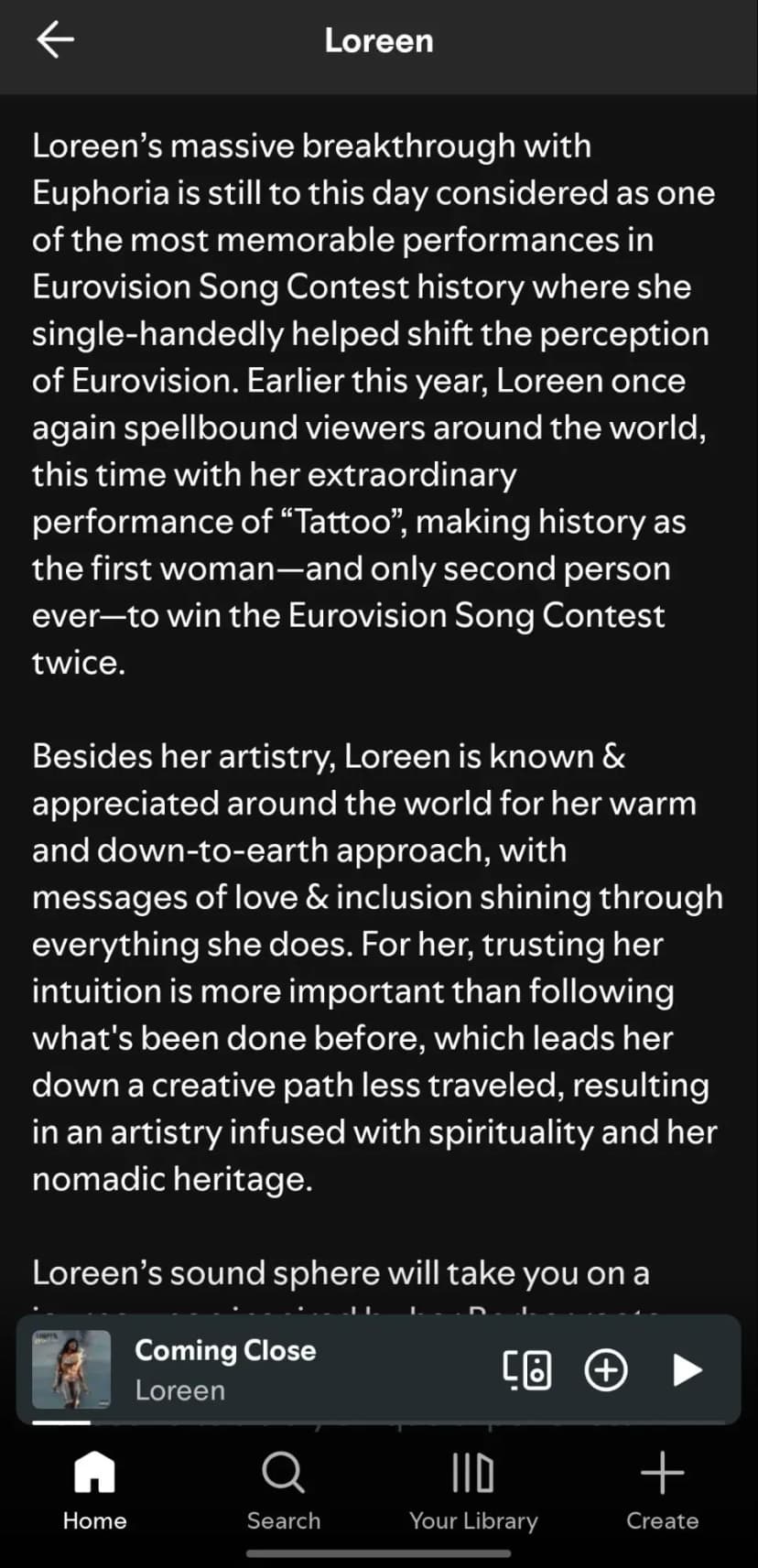
This also matters after a playlist placement. A good playlist can send you new listeners. A weak profile wastes them. The stream lands. The follow does not.
Many artists who previously used SoundCampaign couldn’t make it to our successful case studies due to lack of professional images and information about them.
So, make sure you keep your profile picture, description, events, etc, well-optimized.
#3 - Fix Your Metadata
Metadata sounds boring until you realize it tells Spotify where your song belongs.
Genre. Subgenre. Mood. Instrumentation. Activity. Similar artist context. These fields are not filler. They shape how Spotify editors read songs’ metadata according to their guidelines and how the system tests it.
When your track belongs in late-night R&B playlists but your metadata reads like generic pop, you are feeding bad instructions into the system.
That means wrong playlist fits, wrong audience tests, and worse engagement data.
Forget editorial playlists, you won’t even make a place in community or algorithmic playlists.
#4 - Pitch Editorial Early
Spotify's official minimum is 7 days before release. Treat that like the absolute floor, not the plan.
As much as I know, 3-4 weeks early gives editors an actual review window. It also gives you time to build pre-saves, line up content, and create some early momentum before release.
Even if the track doesn’t land on an editorial playlist, submitting through Spotify for Artists still helps. The release gets considered for your followers' Release Radar. That means the pitch is worth doing even when the answer is no.
#5 - Pitch Context, Not Hype
Most bad pitches sound like this: energetic track, exciting release, please consider.
That is useless. Editors don’t need your excitement. They need fit.
Name the mood, listener moment, or anything that stands out. Name the cultural context if it matters. Give them a reason to place the song.
Not sure how to do it right? These pitch examples can get you started.
#6 - Build Pre-Saves and Follows
Playlist promotion starts before you press the publish button.
Pre-saves and follows gain you effective signals. That matters because followers feed Release Radar and pre-release intent that helps you create a stronger day one.
Email your list. Use story countdowns. Mention the pre-save at shows. Give people one simple action.
This is where many artists choke. They wait for release day to start marketing. Then they wonder why the first 48 hours are weak.
Kehlani's fans can already presave the album weeks in advance. That's how you do it.
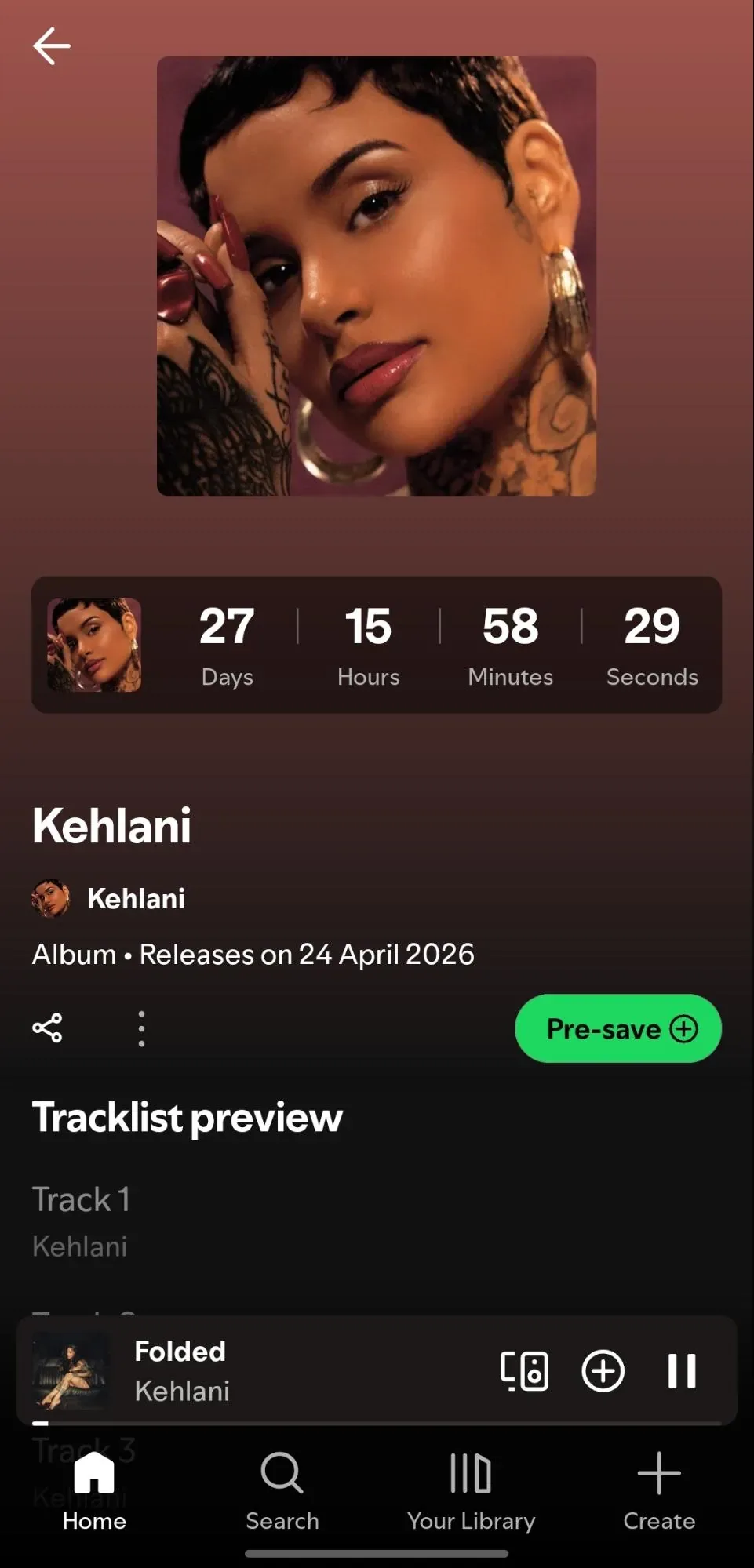
Spotify can’t react to momentum you never created.
#7 - Release Mid-Week
For most artists, Friday is the default release day. That isn’t the right choice for everyone because it’s crowded with major label drops.
You are competing for the same attention with artists who have teams, budgets, and more audience than you.
Mid-week gives your song room to breathe and a few extra days to build engagement before Monday's Discover Weekly refresh. For a small artist, that is not a minor detail. That is leverage.
#8 - Hook the Listener Fast
We’re living in an era where people just push the ‘summarize’ button on a 10 minute YouTube video.
Just think how much your hook matters now? You’re competing in the worst timeline of history.
In other words, you can’t make it with a weak intro even on one of the best playlists out there. If listeners bounce early, Spotify learns your track was a bad recommendation.
That doesn’t just hurt the current push. It reduces how aggressively the system keeps testing the song.
So build the first 5 to 10 seconds like they matter, because they do. No lazy intro. No waiting 20 seconds for the song to arrive. Get to the part that makes someone stay.
#9 - Push Saves in the First 48 Hours
The first two days are for training the algorithm.
A save rate over 20% is strong. A stream-to-listener ratio over 2.5 is strong. Those numbers don’t come from random passive traffic.
Ask your fans to save the song, replay it, and add it to their playlists. Use Canvas or your socials to tell them exactly what to do.
Asking is more important than you think. Most listeners won't care until you ask for it clearly.
#10 - Start Small with Curators
This is where most artists waste months.
They chase huge playlists because the follower count looks sexy. Then the song lands, gets passive background plays, low saves, weak repeats, and ugly skip data.
The worst case scenario? They don’t get into those playlists in the first place. Quite the irony, huh?
Smaller independent playlists with real listeners are more useful. Trust me, I’m telling this from my personal experience.
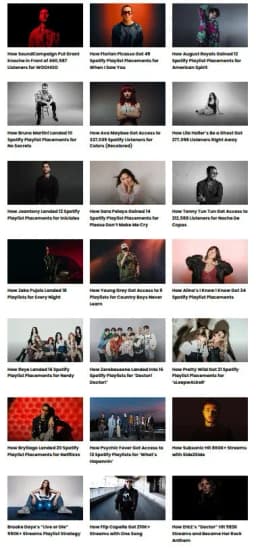
There are a lot of artists on SoundCampaign in our case study catalog who have landed 10+ playlist placements and put their songs in front of 100K+ listeners.
#11 - Personalize Outreach
Generic curator outreach is dead. The moment it seems generic, it gets ignored.
So when reaching out, make sure you:
- Mention the playlist by name
- Explain why your track fits
- Keep it short
- Be human
"Hey, I think this fits your late-night alt-pop playlist because the production and mood line up with the last few adds."
That works better than begging. You are not asking for a favor. You are making a fit argument. Respect the curator's taste and time.
In case you want to figure out more ways to do it, here are a few pitch examples that you can use
#12 - Research via Similar Artists
Don’t search for "best Spotify playlists" and spray links everywhere. Everyone’s doing the same thing.
Instead of this, you can use the “Similar Artist” or “Discovered On” section to find out where artists like you exist.
#13 - Promote Every Placement
Landing on a playlist isn’t the end game. Keep playing.
Share the playlist. Tag the curator. Thank them. Send traffic back to the playlist
For example:
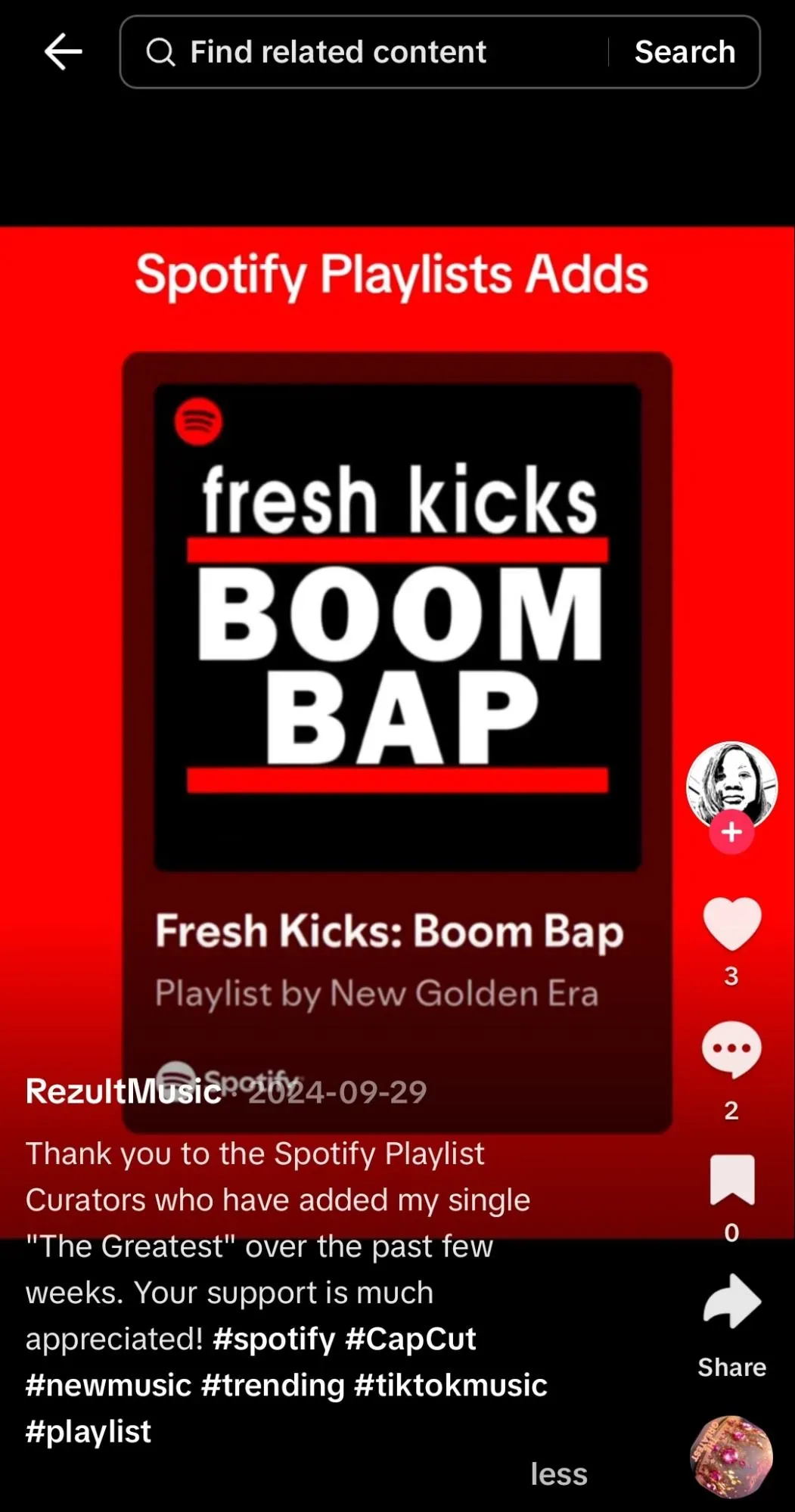
When you help a playlist grow, the curator notices. That improves the odds of getting placed again.
There is also a second payoff. Every time you push listeners into a playlist that contains your track, you create more chances for saves, replays, and follows. One placement can feed the next if you stop treating it like the finish line.
#14 - Build Your Own Playlist
Since you have been listening and making music in your genre, it’s not a bad idea to start making your own playlist.
You know what songs exactly deserve to be on a playlist in your genre.
While it’s funny to think of it, I can tell you that some of your favourite artists really maintain those playlists anonymously.
#15 - Make the Playlist Searchable
What’s the point of making a playlist that nobody can discover? That’s the number one reason why most artist-made playlists fail.
There are so many topics you can build around. For instance, check this out. There’s not even a single playlist for this topic that can instantly attract me.
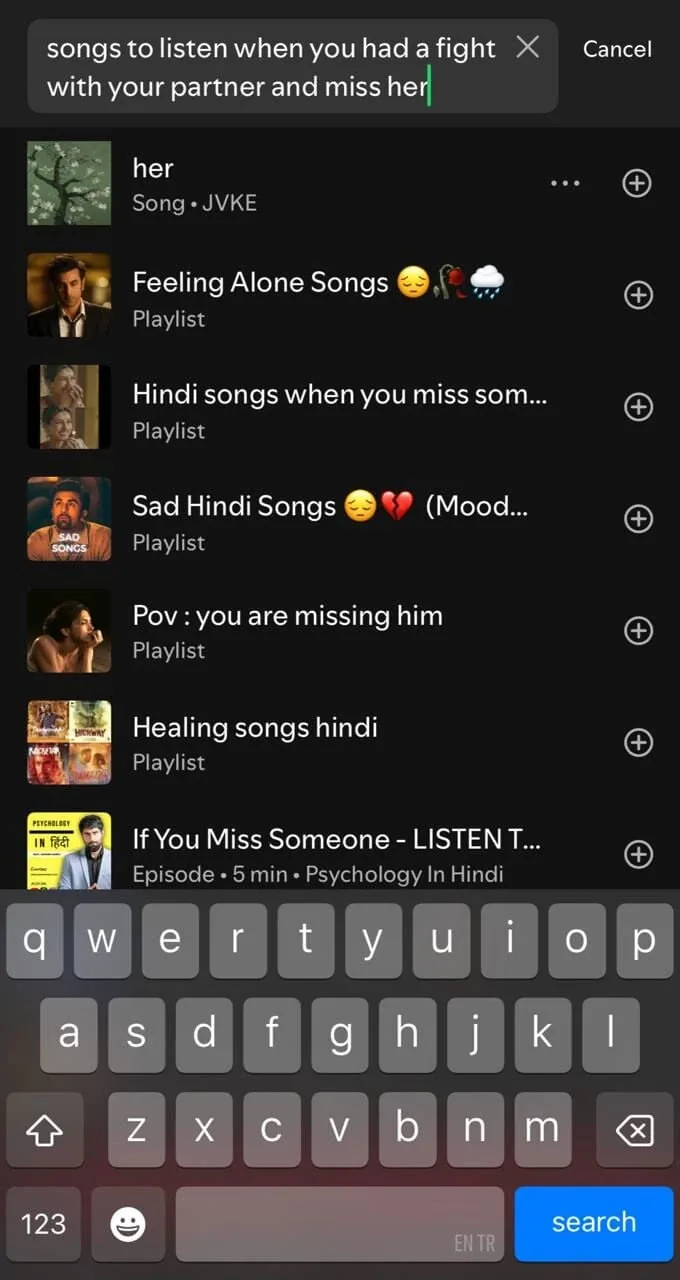
People search literally anything on Spotify. So, you gotta think that way too when creating your music.
Apart from this, here are a few things you can keep in mind when curating a playlist:
- Keep a range of 50-100 songs
- Only 10-15% of songs must be yours
- The description must be keyword research
- Pick a theme and only work in your genre
- Build around mood, not only genres
All of this matters because Spotify search is not random. A well-labeled playlist with relevant popular tracks and a clear purpose has a better chance of being surfaced. If you are building your own asset, build one that can actually be found.
#16 - Kill Fake Streams Fast
Fake playlist promotion is worse than doing nothing.
Platforms like Spotify and CD Baby penalize artificial streaming. That can mean withheld royalties, removed tracks, or worse.
The real damage hits earlier.
Bot streams don’t generate the signals Spotify cares about: saves, replays, engagement. Instead, you get spikes from random locations and one-and-done listens.
To Spotify, that looks like a bad song.
Fake promotion doesn’t just inflate numbers. It trains the algorithm to ignore you.
Here’s what on Reddit that clearly explains what a messed up track analytics looks like:
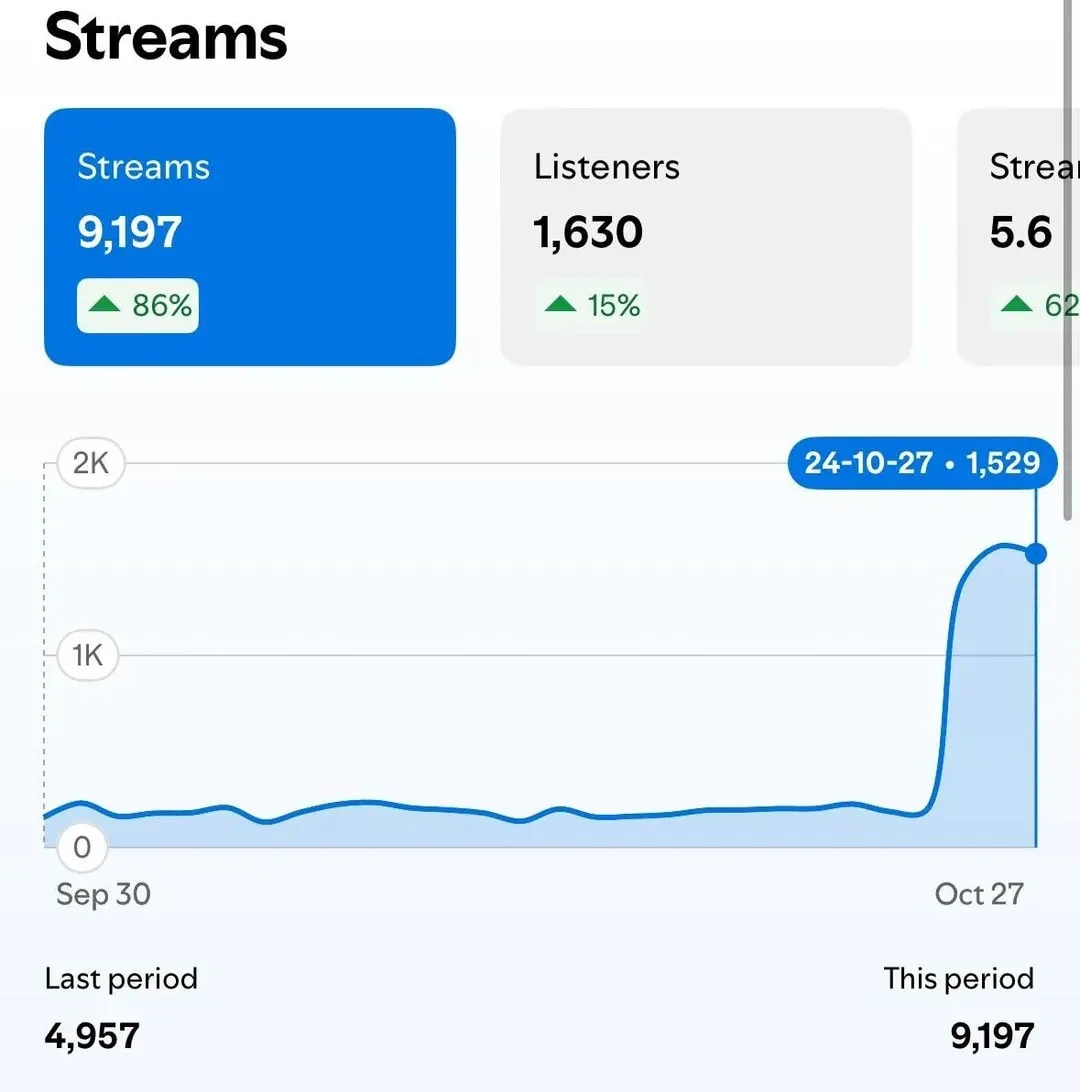
If you see sudden spikes like this with no matching engagement, that’s a red flag.
This is exactly why SoundCampaign exists.
Artists submit tracks to real curators. They listen, give feedback, and only add songs they actually like.
You get placements based on real, genuine reviews. No payola scheme or bots involvement.
FAQ
How many streams does it take to trigger Discover Weekly?
There is no confirmed public threshold from Spotify.
However, artists and marketers often notice that tracks gaining strong engagement during the first few weeks are more likely to appear in algorithmic playlists like Discover Weekly.
In many cases, this includes several thousand streams, a few thousand unique listeners, and a meaningful number of saves within the first month.
What matters most is not the raw stream count but listener behavior. Save rate, replays, and completion rate tend to carry more weight than the total number of streams.
Is save rate more important than total streams?
Often, yes.
A track with a smaller audience but a high save rate can perform better in the algorithm than one with a large number of streams and weak engagement. Saves, replays, and low skip rates indicate that listeners actually like the song.
Spotify’s recommendation systems prioritize listener behavior rather than pure volume.
Should I pay for a playlist promotion service?
Only if the service is transparent about how placements work and where the listeners come from.
Avoid services that promise guaranteed streams or guaranteed playlist placements. Pay-for-play playlists and artificial traffic can damage a track’s performance and may violate platform policies.
Legitimate promotion usually focuses on curator outreach, audience fit, and organic listener engagement.
Can older songs still get playlisted?
Yes.
Older tracks can reappear in algorithmic playlists if they start generating new engagement. A fresh wave of saves, replays, or playlist additions can signal renewed listener interest and trigger additional recommendation exposure.
Do Canvas videos actually matter?
According to Spotify, tracks that use Canvas visuals tend to see higher sharing rates and increased engagement compared with tracks that do not.
Canvas loops are not just visual decoration. They can make listeners more likely to share the track or interact with it while it plays.
Final Advice
Playlist promotion works when you treat it as a long game.
Most artists search for one big playlist that will suddenly change everything. In reality, growth usually comes from a chain reaction. The right small placements lead to strong listener signals. Strong signals lead to algorithmic testing. Algorithmic testing creates more discovery.
That is why the details matter.
A clear profile builds trust with new listeners. Correct metadata helps your track reach the right audience. Early engagement, saves, and replays tell Spotify that people actually care about the song.
Focus on fit instead of volume. A playlist with the right listeners is far more valuable than one with a huge follower count and weak engagement.
And above all, stay consistent. One well promoted release can help the next one perform better. Over time, those signals compound and make it easier for the platform to keep recommending your music.
Good playlist promotion is not about shortcuts. It is about putting your song in front of the people who are most likely to love it.

Fundador y CEO de SoundCampaign
Soy Nadav. Hacía música antes de construir todo esto, y de ahí viene realmente mi interés por el marketing. La parte de analítica es la que más me gusta: de dónde vienen las reproducciones, qué se movió y qué no. Fundé SoundCampaign para darles a los artistas una exposición realmente genuina. Me llevó mucho más tiempo y esfuerzo del que había previsto, y eso no ha cambiado demasiado.
Promociona tu música
Playlists reales, videos de TikTok y anuncios en Meta

La confianza de más de 100,000 artistas y sellos
Sin bots, nunca.
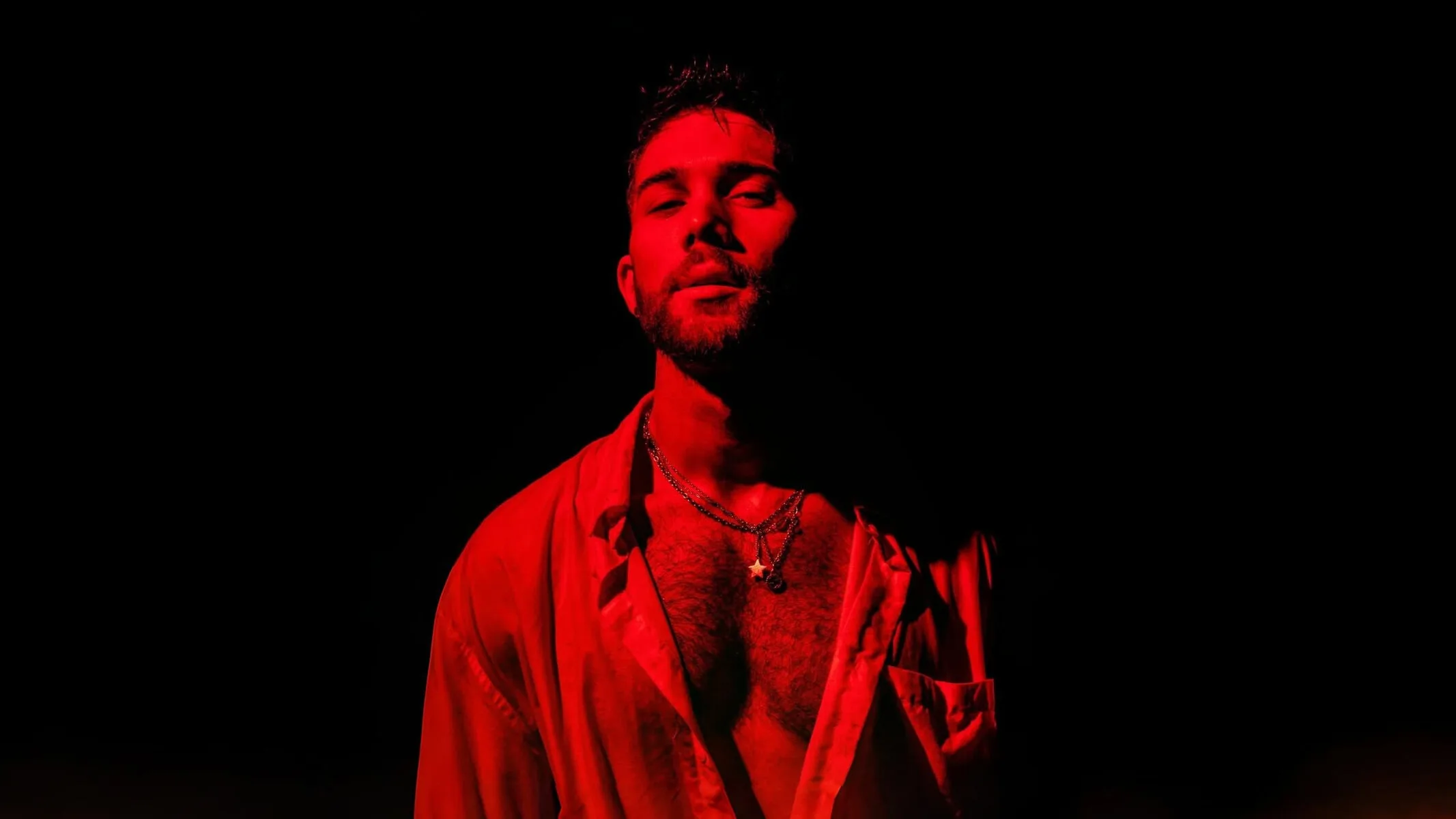
Caso real
Cómo SoundCampaign puso a Grant Knoche frente a 460,587 oyentes con WOOHOO
Leer la historia completa
¿Listo para que escuchen tu música?
Únete a miles de artistas independientes que usan SoundCampaign para llegar a playlists reales, creadores y fans, con comentarios honestos en cada paso.
- Sin bots, nunca
- Programa de Protección al ArtistaSi un curador o creador no reseña tu tema, te devolvemos el crédito. Tu presupuesto siempre está protegido.
- Conserva el 100% de tus regalíasSomos un servicio de promoción, no un sello. Nunca nos quedamos con un porcentaje de tus streams o regalías.