Promozione Spotify
Playlist Pitching vs Paid Ads: What Works Best and When?

Nadav Peleg
Aggiornato · 12 min di lettura
Playlist pitching vs paid ads have been a big dilema for artists. In this blog, I'll tell you why one marketing channel beats the other one.


On this page
- What is playlist pitching and how does it work?
- What are paid ads for music promotion?
- Playlist pitching vs paid ads: Which works better for independent artists?
- When should artists choose playlist pitching?
- When should artists use paid ads instead?
- Can playlist pitching and paid ads work together?
- How much does playlist pitching cost compared to paid ads?
- What is the best music promotion strategy?
- Summary
- FAQs
When you pour your budget into ads, part of you keeps thinking you should've spent it on playlists. Spend it on playlists, and you feel the exact opposite. That's the dilemma I find most artists stuck in.
In reality, both work and both don't. There's no winner here. It comes down to your goal for the release, the budget you can stand to lose, how warm your audience already is, and whether the song grabs a stranger in the first few seconds.
So the real skill is knowing when to lean on playlist pitching and when to put money into paid ads. This blog walks you through which one works when and which one doesn't.
What is playlist pitching and how does it work?
Playlist pitching is the process of submitting your song to the people who control playlists so they'll add it and put it in front of their listeners. You hand your track to a curator, human or algorithm, and ask them to vouch for it to an audience that already trusts their taste. Done right, playlist pitching becomes the highest ROI way to reach listeners who are primed to save and follow.
There are three lanes, and they don't behave the same way.
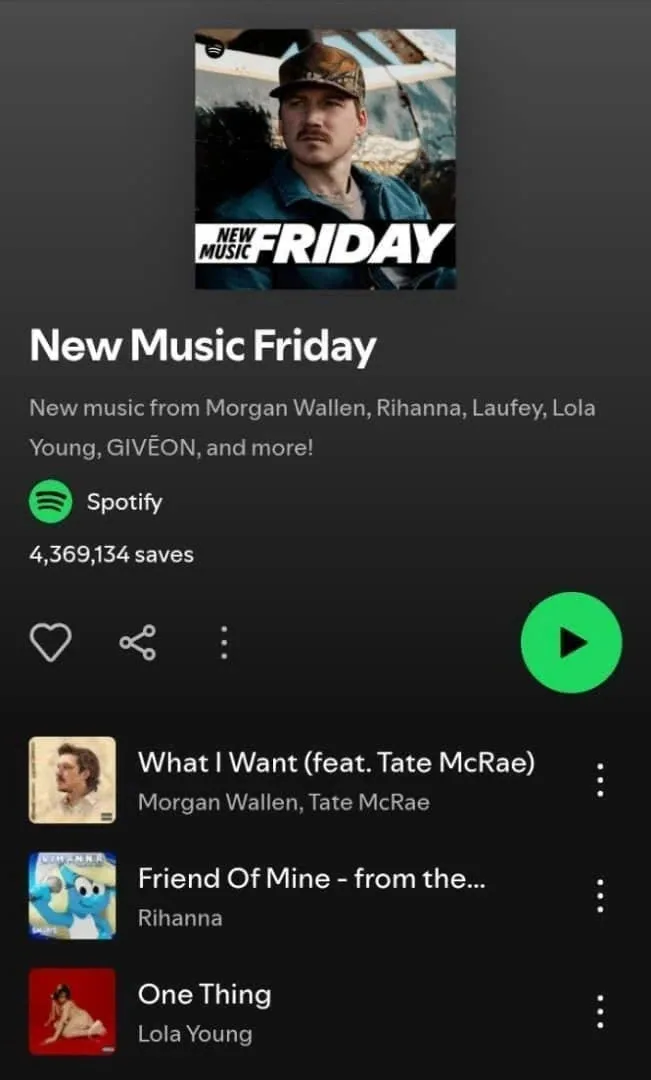
1. Editorial playlists are the flagship Spotify-owned ones like New Music Friday and RapCaviar, curated by Spotify's in-house team. You pitch these inside Spotify for Artists. As of 2026, you can pitch one unreleased song at a time, and you need to submit at least 7 days before release, though Spotify's own New Releases page recommends two weeks (Spotify for Artists). That's the whole playlist pitching Spotify flow for editorial: one song, pre-release, straight from your dashboard.
2. Community playlists are run by everyone else: indie curators, music blogs, labels, and tastemakers. You reach them through direct outreach or through playlist pitching services that already hold curator relationships. No dashboard, no deadline, just people.
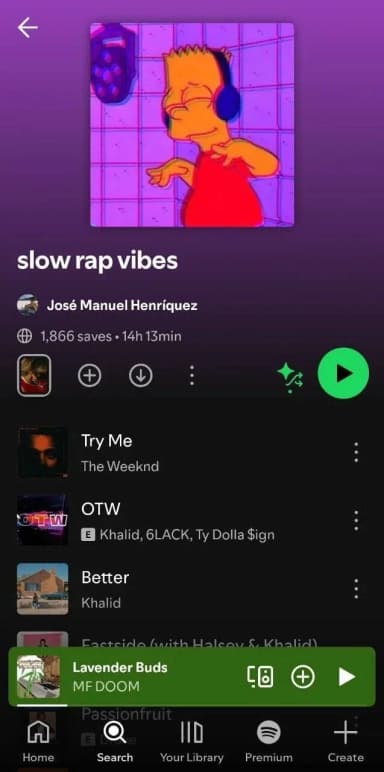
3. Algorithmic playlists are the personal ones Spotify builds for each listener, like Discover Weekly and Release Radar. You can't pitch these directly. The algorithm decides based on how listeners react to your track, which is exactly why the first two lanes matter: a strong placement sends the saves, follows, and completion signals that push the algorithm to keep spreading your song after the initial bump.
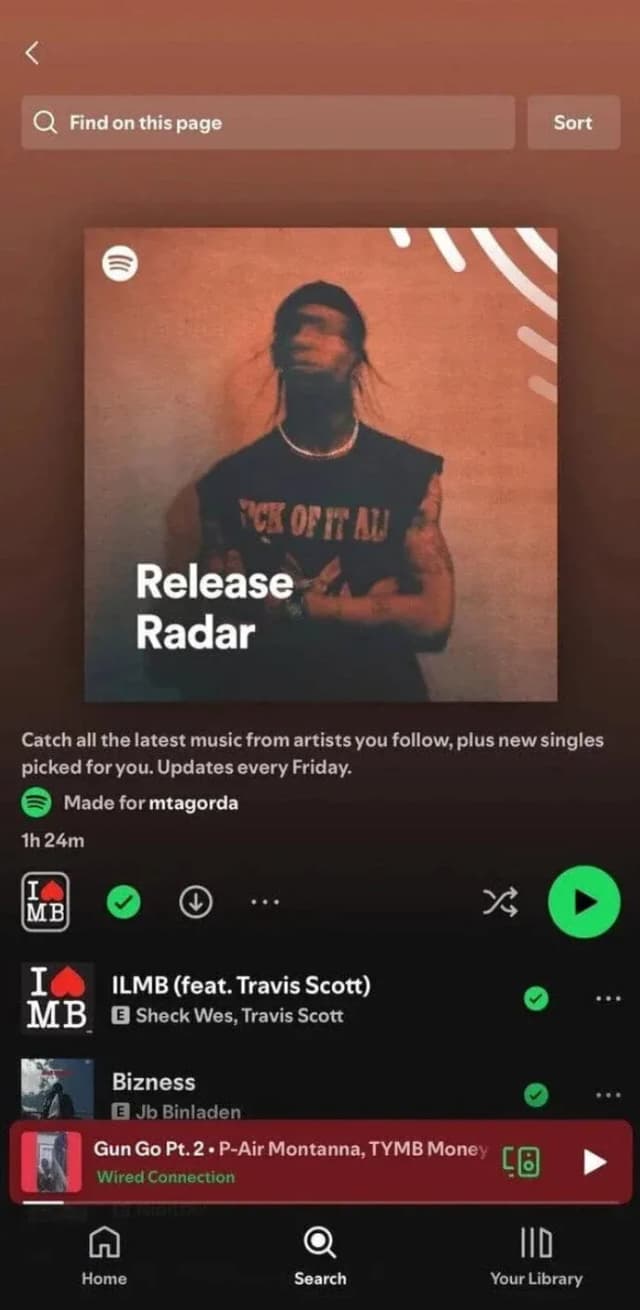
A strong placement is the real payoff here. The direct streams are nice, but the bigger win is the algorithmic boost.
And I get why artists chase editorial playlists. They feel like the golden ticket. But they’re brutally competitive. One artist on r/musicmarketing said:
Editorial playlists are by no means a ticket to the moon, just felt nice to reflect on the work it took to get here.
This guy pitched 14 releases over 18 months before landing New Music Friday. Even after all of that, he admits editorial alone won't get you anywhere.
This is the exact problem I've been seeing for years. That's why I came up with SoundCampaign. Getting ignored with no explanation is frustrating, so real curators listen to your track and tell you why they're accepting or rejecting your track. Most music promotion services for independent artists skip that feedback loop. We don’t.
After 8 years of SoundCampaign's internal campaign data, I'd say the biggest campaign killer for artists is not knowing their own genre. They make one thing, market it as another, and target curators who were never going to say yes. That's where most rejections come from.
What are paid ads for music promotion?
Paid ads for music promotion are campaigns where you pay a platform to put your song, video, or profile in front of a targeted audience. You set a budget, choose who sees it, and invest for a certain goal.
Right now, these are the 4 platforms where most artists spend on ads.
- Meta Ads: The default for driving Spotify streams and saves, all managed inside Meta's Ads Manager. Meta recommends starting at $5 a day for at least six days, but the actual floor is lower than most artists think. Impression-based ads can run from $0.50 a day, and click or video-view ads from $2.50. One thing nobody tells you here is that you can't install Meta's pixel on Spotify, so Meta itself points you to the Traffic objective for sending listeners to a third-party site. Artists who pick Conversions for streaming links are fighting the system from day one.
- TikTok Ads: TikTok Ads Manager sets a hard $50 daily minimum at the campaign level and $20 at the ad-group level. Spark Ads are the format built for musicians. You boost an organic post already using your sound, and viewers can tap the music disc icon to land on your sound's page. TikTok's own data shows Spark Ads beating regular in-feed ads on completion rate (+30%) and engagement (+142%), though those numbers come from their Shop campaigns. As of June 2025 there's also TikTok for Artists, a free-to-access dashboard with song analytics and pre-saves straight to Spotify or Apple Music.
- YouTube Ads: These are skippable in-stream videos you set up in Google Ads. You pay when someone watches 30 seconds or interacts with the ad, whichever comes first. Skips cost you nothing, which keeps wasted spend low.
- Spotify Ads: Called Ad Studio until the July 2024, then it got renamed to Spotify Ads Manager. This put audio and video spots in front of listeners already inside the app. Minimum campaign budget is $250, and Spotify doesn't publish fixed CPMs. Your budget sets the pace.
What makes or breaks any of these is targeting. Get the interests, lookalikes, and geographies right and your spend reaches people who'll actually listen. That's the whole game in paid Spotify music promotion. Reach is easy to buy. Relevance takes effort.
Playlist pitching vs paid ads: Which works better for independent artists?
For most independent artists, playlist pitching wins on cost and audience quality, while paid ads win on speed and scale. The right pick depends on which lever matters most for your release.
|
Factor |
Playlist Pitching |
Paid Ads |
|---|---|---|
|
Cost |
Low to moderate, and editorial pitching is free |
Pay-to-play with $50 to $250+ minimums per platform |
|
Speed |
Slower, tied to curators and release timing |
Fast, impressions start within hours |
|
Reach |
Targeted to a curator's existing audience |
Huge and adjustable by budget |
|
Audience quality |
High, listeners trust the curator |
Variable, rides entirely on targeting |
|
Risk level |
Fake-playlist and bot scams |
Wasted spend on poor targeting |
|
Long-term value |
High, placements and saves compound |
Low, stops when you stop paying |
|
Scalability |
Limited by curator slots |
Near-unlimited with budget |
Which strategy generates better listener engagement?
Playlist pitching usually generates better listener engagement. That's because the audience arrives already trusts the curator who placed you. Someone who finds you on a themed playlist is set to save the track, while an ad interrupts someone mid-scroll.
Which strategy is more cost-effective?
Playlist pitching is more cost-effective for early-stage artists since editorial pitching through Spotify for Artists is free (Spotify for Artists) and a quality spotify playlist promotion campaign costs less than a sustained ad budget. Ads get more cost-effective once you have a proven track worth scaling.
Which strategy produces faster results?
Paid ads produce faster results, full stop. You can launch a Meta or TikTok campaign today and watch streams move within hours. Playlist pitching runs on someone else's calendar as editorial decisions take at least a week and independent curators reply when they reply.
When should artists choose playlist pitching?
Choose playlist pitching when you're launching a new release on a tight budget and want listeners who'll stick around. Let me show you where exactly it wins:
- New releases: Placements build the early save-and-follow signals that tell Spotify's algorithm your track is worth pushing.
- Smaller budgets: You can pitch Spotify editorial for free and run a curator campaign for less than a week of ad spend.
- Genre targeting: Pitch a lo-fi curator and every listener you reach already loves lo-fi. No ad filter targets that precisely.
- Social proof: Real placements and growing save counts make your profile look credible to the next curator, fans, and the algorithm. That credibility compounds, which is why I tell early artists to start here before touching ads.
When should artists use paid ads instead?
Use paid ads when you already have proof a song works and there's something concrete to sell. Established artists with a known sound and a warm audience get the most from them. Retargeting people who already engaged converts far better than chasing cold listeners.
Ads also pull ahead for specific goals like selling merch, filling concert dates, and pushing a major album launch where you need volume fast. A veteran marketer on r/musicmarketing who spent $5 million across 100-plus campaigns put it bluntly.
What I learned from spending $5 million on music ads.
Thirty years in label marketing, $5 million spent across 100+ campaigns. Track ads returned around 50 cents per dollar. Tours returned 10:1, appearances 6:1, merch 5:1.
If you're selling a $30 ticket or a $25 hoodie, a paid campaign can be profitable on day one. A playlist placement can't move merch like that, which makes sense where ads beat pitching for artists.
Can playlist pitching and paid ads work together?
Yes, the smartest artists run them as a sequence rather than picking one over the other. Playlist placements create the social proof and save data that make your paid ads convert better.
The sequence is simple. Get placements first to prove the song works and see who's listening.
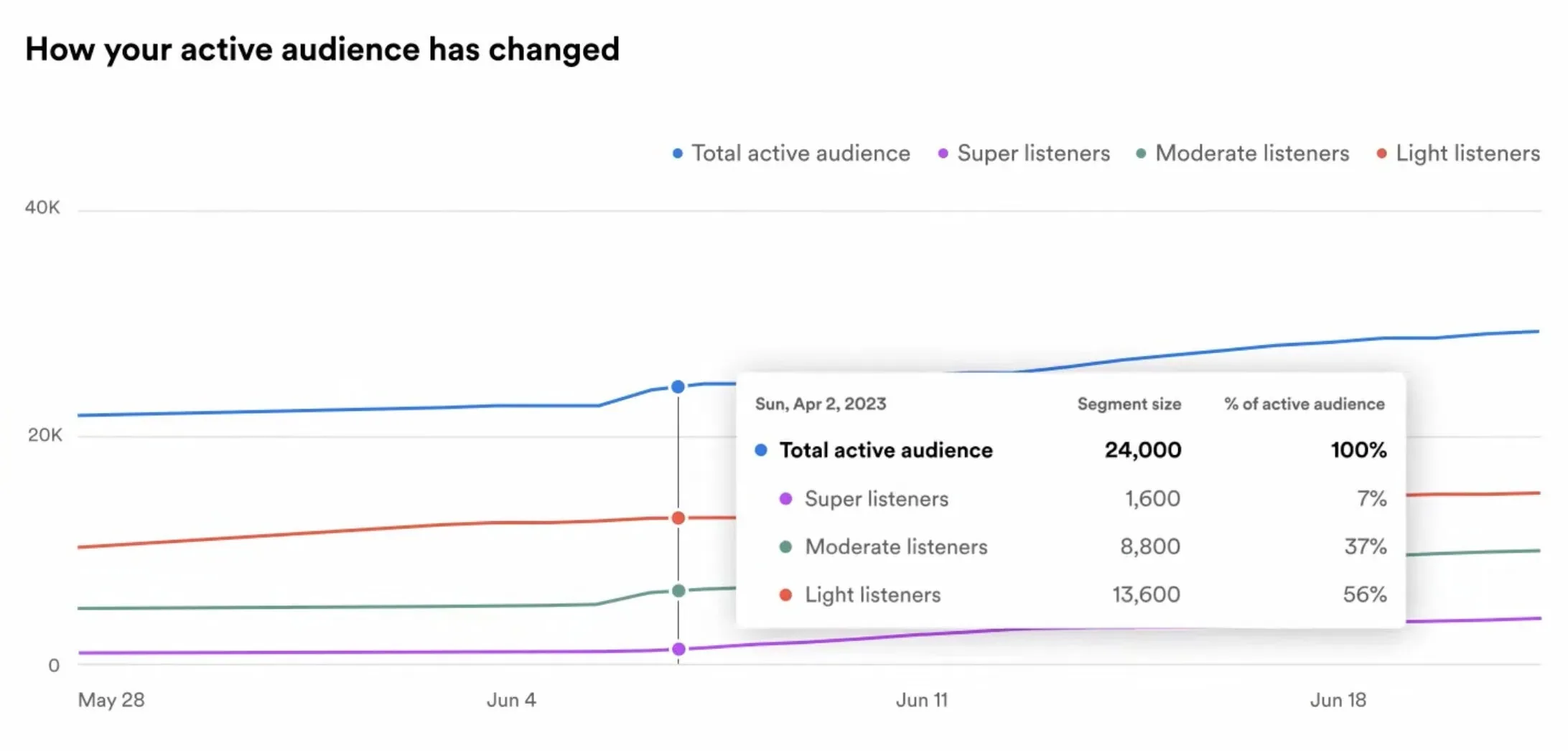
Look at how the audience splits. Out of 24,000 active listeners, only 1,600 are super listeners. The other 13,600 barely know you exist. That's your warmth map. Ads convert best on the warm ones, and pitching is how the cold ones enter the funnel. Use what responded, which cities, ages, and playlists, to sharpen your ad targeting. Then put budget behind the winners to feed Spotify's algorithm.
Pitch to prove and seed, advertise to scale. That's the whole multi-channel approach. SoundCampaign fits the first half of that sequence. Curator feedback and listener response show you which track and audience are worth the ad spend before you commit a dollar.
How much does playlist pitching cost compared to paid ads?
Playlist pitching generally costs less than paid ads to reach the same number of engaged listeners, but the two price out very differently. Spotify's editorial pitching is free, community campaigns are usually a modest flat fee, and paid ads charge by impression or view with platform minimums on top.
|
|
Playlist Pitching |
Paid Ads |
|---|---|---|
|
Entry cost |
Free (Spotify editorial) up to a flat campaign fee |
$5/day (Meta) up to $250 minimum (Spotify Ads) |
|
Cost per listener |
Lower for engaged listeners, varies by campaign |
Variable, rides on targeting and creative |
|
Cost per engagement |
Built in (curator audiences engage) |
Paid separately for each click or view |
|
Predictability |
Fixed campaign cost, uncertain placement |
Predictable spend, uncertain conversion |
Reputable playlist pitching pricing is less standardized, which is why transparency and feedback matter more than a sticker price.
What are the biggest risks of playlist pitching and paid advertising?
The biggest risk in playlist pitching is fake playlists and bot-driven placements that inflate numbers without real listeners. The biggest risk in paid ads is burning budget on bad targeting. One producer on r/musicmarketing documented a full year of it.
One Year of Meta Ads - 200 monthly listeners to 16,000 - What I've Learned
I’ve been running Meta ads for 1 year now to gain Spotify streams, listeners, artist follows and playlist follows. In that year I’ve gained:- 560,000 streams
- 110,00 listeners
- 20,000 saves
- 22,000 playlist adds
- 1000 artist follows
- 9000 playlist follows
- 4000 Instagram follows
You might think and say 'wow' but those numbers only look incredible on paper. He spent $7,000 to get them and Spotify paid back around $600. When he finally switched the ads off, his daily streams only dropped by a few hundred.
This shows how vanity numbers and creative fatigue are the slow killers on the ads side.
Can artists avoid music promotion scams?
Avoid music promotion scams by sticking to transparent services and curator networks that show you real playlists, genuine audiences, and honest feedback. Walk away from anyone guaranteeing a stream count or selling "10,000 plays" for a flat fee. Those are the classic signatures of bots. Legit music promotion services lean on real curators who can decline your track.
What is the best music promotion strategy?
The best music promotion strategy matches your spend to the level you're at. Validate with playlist pitching first, then layer in paid ads once a track proves itself. There's a right mix for where you are.
|
Stage |
Budget |
Where the money goes |
Touch ads? |
|---|---|---|---|
|
New artist |
Under $300 |
Playlist pitching and organic content. Free editorial pitch plus one focused curator campaign. |
Not yet |
|
Growing artist |
$300 to $1,000 |
Split. Keep pitching, then $250 to $500 behind your best song on Meta or TikTok. |
One tight campaign |
|
Established artist |
$1,000+ |
Ads lead for launches, tours, and merch. Pitching keeps feeding fresh tracks in. |
Ads lead |
The rule stays the same at every stage. Prove the song first, then spend to amplify it. If you want the full breakdown, my guide on how to promote your music covers each channel.
Summary
Playlist pitching and paid ads solve different problems. Pitching is your cheapest way to prove a song works and reach listeners who actually save and follow. Ads are your accelerator once a track has shown it can convert, and nothing beats them for selling tickets, merch, and big launches.
The order matters more than the choice. Pitch first, read the data, then put money behind the winners. Artists who flip that order pay $7,000 to learn what a $100 curator campaign would've told them.
Validate first. Scale second.
FAQs
Is playlist pitching better than paid ads for new artists?
For most new artists, yes. Playlist pitching is cheaper, reaches listeners who already trust the curator, and builds the save-and-follow signals that grow your reach organically. Paid ads make more sense once you have a proven track and a warm audience to retarget.
How much should an independent artist spend on music promotion?
Spend to the level you're at. Under $300, lean almost entirely on playlist pitching and free editorial. Between $300 and $1,000, split between pitching and a small ad test. Above $1,000, scale ads while pitching keeps feeding new tracks in.
Can paid ads get me on Spotify editorial playlists?
Not directly. Editorial placements come from pitching unreleased songs through Spotify for Artists at least 7 days ahead of release. But ads can drive the early streams and saves that help editors and the algorithm notice your track.
What's the safest way to do Spotify playlist promotion without getting scammed?
Use transparent services with real curators who can say no to your track, and walk away from anyone guaranteeing stream counts or selling bulk plays. Real spotify playlist promotion comes with honest feedback and playlists you can verify yourself.

Fondatore e CEO di SoundCampaign
Sono Nadav. Facevo musica prima di costruire tutto questo, ed è proprio da lì che nasce il mio interesse per il marketing. La parte che preferisco è quella analitica: da dove arrivano gli streaming, cosa si è mosso e cosa no. Ho fondato SoundCampaign per dare agli artisti un'esposizione davvero reale. Mi è costato molto più tempo e impegno di quanto avessi previsto, e questa parte non è cambiata molto.
Promuovi la tua musica
Posizionamenti reali in playlist, video TikTok e annunci Meta

Scelto da oltre 100.000 artisti ed etichette
Mai bot.
Caso reale
Come SoundCampaign ha messo Grant Knoche davanti a 460.587 ascoltatori con WOOHOO
Leggi la storia completa
Pronto a far ascoltare la tua musica?
Unisciti a migliaia di artisti indipendenti che usano SoundCampaign per raggiungere playlist reali, creator e fan, con feedback sincero a ogni passo.
- Mai bot
- Programma di tutela dell'artistaSe un curatore o un creator non recensisce il tuo brano, ti restituiamo il credito. Il tuo budget è sempre protetto.
- Mantieni il 100% delle tue royaltySiamo un servizio di promozione, non un'etichetta. Non prendiamo mai una percentuale sui tuoi stream o royalty.