Music Promotion
Music Sync Licensing: How to get your songs placed in TV, films, and ads

Nadav Peleg
Updated · 16 min read
Learn how sync licensing works, what placements pay, and how to get your songs ready and pitched to music supervisors for TV, film and ads.


On this page
- How do you get your songs in TV, film, and ads?
- What are the two rights in every sync deal?
- How much does a sync placement pay?
- What makes a song sync-ready before you pitch?
- How do you build momentum before you pitch?
- How do music supervisors actually find songs?
- What do sync agents do, and what do they take?
- Which sync licensing platforms should you join?
- How do you pitch your music for a sync deal?
- How do you actually license both rights once a supervisor says yes?
- What mistakes kill your sync chances?
- Frequently asked questions
- Final thoughts
A sync placement can pay anywhere from $500 for an indie short to $2,500,000 for a Super Bowl-tier national ad, and you don't need a label to get either one.
Every recording has two types of separate copyrights.
- Sync license for the song itself
- Master license for your actual recording
Own both, and you clear a deal in one signature instead of chasing two rights holders. That ownership is also why you get paid twice, an upfront fee now and performance royalties every time the placement airs. This guide shows you exactly how to prepare for that check and what's the best way to get it.
How do you get your songs in TV, film, and ads?
You get in TV, film, and ads by preparing sync-ready tracks. After that, you show them to music supervisors through libraries or agents, who license the two rights and pay a fee. A music supervisor is simply the person on a production who picks the music and clears it, the actual buyer in this whole process.
Preparation is the first thing you do. Outreach comes after that. The patience part takes longer than either one.
A placement pays you twice, and you can do it without a label if you control your own rights.
What are the two rights in every sync deal?
I think this can explain both sync deals better:
|
|
Sync License |
Master License |
|---|---|---|
|
What does it protect? |
The song itself, the melody, lyrics, and chords |
Your actual recording, the exact audio file |
|
Who owns it? |
The songwriter and their publisher |
Whoever recorded and owns that version |
|
What if you skip it? |
They can't touch your song, not even a cover |
They can re-record it with someone else, but not use your version |
|
Do most deals need it? |
Yes |
Yes |
Why does owning both rights give independent artists an edge?
When you wrote and recorded your own music, you usually control both copyrights. That is a real commercial advantage. You can offer a one-stop license and clear everything in a single negotiation. Music supervisors prefer one-stop deals because they avoid chasing two separate rights holders while a production deadline looms. One decision maker means faster sign off and a cleaner paper trail for the buyer.
How much does a sync placement pay?
A single placement can pay from a few hundred dollars for an indie short to six figures for a national campaign, and the range shifts by medium, budget, and prominence.
As of 2026, documented deals put streaming TV at $3,000 to $50,000, network drama at $10,000 to $75,000, and national ads past $50,000. The table below breaks it down by medium with a source on each row.
|
Medium |
Typical upfront fee range |
What moves the number |
|---|---|---|
|
Indie web series or podcast |
$500 to $2,000 |
Budget, how much of the song they use |
|
Streaming-series TV |
$3,000 to $50,000 |
Show's budget, how big the scene is |
|
Network drama |
$10,000 to $75,000 plus |
How many people watch, which scene it lands in |
|
National ad |
$50,000 to $2,500,000 plus |
Brand's ad budget; top end is Super Bowl-level, publishing fee only |
|
AAA video game |
$2,000 indie floor, considerably higher for AAA titles |
Small indie game vs. a big-budget blockbuster title |
|
Studio trailer |
$15,000 to $200,000 |
How big a moment the song gets in the trailer |
Why do you get paid twice?
You get paid an upfront licensing fee for the placement, and then you collect backend performance royalties every time the content airs or streams. A PRO such as ASCAP or BMI tracks those public performances and pays the songwriter. Over the life of a long-running series or an international film release, those backend royalties can pass the initial fee. The sync fee is the headline, but the royalties are the part that keeps arriving.
Why do metadata and PRO registration decide if you get paid?
Metadata and PRO registration decide whether a placement turns into money. In the US you register with ASCAP for a one-time $50 fee, or with BMI for free, so your performance royalties are collectible from day one. Sloppy metadata means a supervisor cannot find your track in a library search or cannot clear you when a brief arrives. The artists who get inquiries are the ones who look organized, the ones a supervisor can act on the moment a brief lands.
What makes a song sync-ready before you pitch?
A song is sync-ready when a supervisor can license it today without asking for extra files or chasing a clearance. That means a broadcast-grade master, alternate versions already made, clean ownership, and metadata that makes the track findable. Most rejections happen before anyone hears the music, because the paperwork or the files were not ready.
What is on the sync-ready checklist?
The sync-ready checklist covers six things, and supervisors will ask for whichever ones the scene needs.
- A broadcast-ready master: polished enough for a television or cinema speaker, not just headphones.
- An instrumental version: for scenes that need the track without vocals.
- Stems: separated tracks give an editor room to mix your song into a scene.
- A clean edit: explicit lyrics removed, since supervisors license whichever version the scene calls for.
- Zero uncleared samples: every sound in the track is yours or properly licensed. This is a hard stop, not a maybe.
- Accurate metadata: title, artist, genre, mood, and a working contact line, so the right person can actually reach you.
How do you build momentum before you pitch?
You build momentum by growing real listener signals before you approach any buyer. The thing is supervisors and libraries favor artists whose music already relates with listeners. A track with streams and an audience looks alive, licensable, and worth a supervisor's time. Momentum is the part most guides skip, and it is the part that makes the rest work.
Why do supervisors favor artists with listener signal?
Supervisors favor listener signal because a catalog with a real audience and streaming numbers is easier to clear and more attractive to a brand or a studio. A track that already connects proves the emotional fit a scene needs, and it lowers the buyer's risk. Zero traction reads as untested, and untested music gets passed even when it is good. Signal turns a maybe into a yes.
How do you grow that audience before pitching?
You grow that audience with consistent Spotify playlist promotion and TikTok creator campaigns that put your music in front of real listeners month after month. SoundCampaign does exactly this for independent artists, building playlist traction and creator reach so your catalog shows life before a supervisor ever hears it. Our Spotify playlist promotion tips and our social media music promotion guide help make the growth deliberate.
How do music supervisors actually find songs?
Supervisors find songs through their own libraries, through agents who pitch curated catalogs, and through open platforms they can search. They rarely take music cold from an unknown artist because they work under deadline with a budget and need fast, clean clearance. Knowing which channel fits you changes where you spend your effort.
Supervisors need a track that fits the scene emotionally, clears fast, and fits the budget. They ignore cold pitches from strangers because they cannot verify ownership or turnaround under pressure, and a generic blast reads as unprofessional. They want music that is easy to license, because a delayed clearance can stall a whole production. The faster and cleaner your catalog looks, the more often it gets considered.
What do sync agents do, and what do they take?
A sync agent represents your catalog and pitches it directly to supervisors, and in return they typically keep 15 to 50 percent of the sync fee, with 20 to 30 percent being the most commonly cited middle ground. Good agents hold direct relationships and receive briefs the public never sees, so they know which shows are in production before the rest of the market. They are selective because their reputation rides on sending supervisors music that is relevant and licensable, so your catalog has to earn the representation.
Which sync licensing platforms should you join?
You should join platforms that match your genre and your tolerance for exclusivity, because the right roster beats a long list of wrong ones. Open marketplaces give reach, curated libraries give curation, and an exclusive agency trades control for muscle. Pick by fit, not by prestige.
Which open marketplaces are worth joining?
Songtradr is free to join with a roughly $49 per year Pro tier. It lets you upload a catalog that supervisors and editors browse directly. It's one of the lowest-friction ways to get searchable, and it suits artists who want to stay non-exclusive while they test the water.
Which curated libraries fit indie artists?
Curated libraries such as Musicbed, Marmoset, and Artlist fit indie artists who make emotional, cinematic, or distinctive music and want quality over volume. These houses listen before they accept, which means a smaller catalog but a stronger signal when your track appears. They serve everyone from wedding filmmakers to major brand campaigns, so a single placement can open a stream of similar briefs.
What is the trade-off with exclusive agency deals?
The trade-off with an exclusive agency is reach against control. A company such as Jingle Punks operates one of the larger catalogs in the space and typically signs artists on an exclusivity basis, so you cannot license that same track elsewhere for the length of the deal. Exclusivity can mean bigger and faster opportunities, but the terms, how long you're locked in and how the revenue splits, vary company to company. Read them closely before you sign anything away.
How do you pitch your music for a sync deal?
You pitch by preparing the catalog, matching it to the right opportunity, then making the listen one click away and following up without becoming noise. The pitch is a professional transaction, and supervisors respond to artists who make their job easier. Treat every submission like a product with a clear spec.
How do you prepare the catalog before pitching?
Preparation means your instrumentals, stems, and clean metadata are already built and your tracks open in one click through a DISCO link or a streaming player.
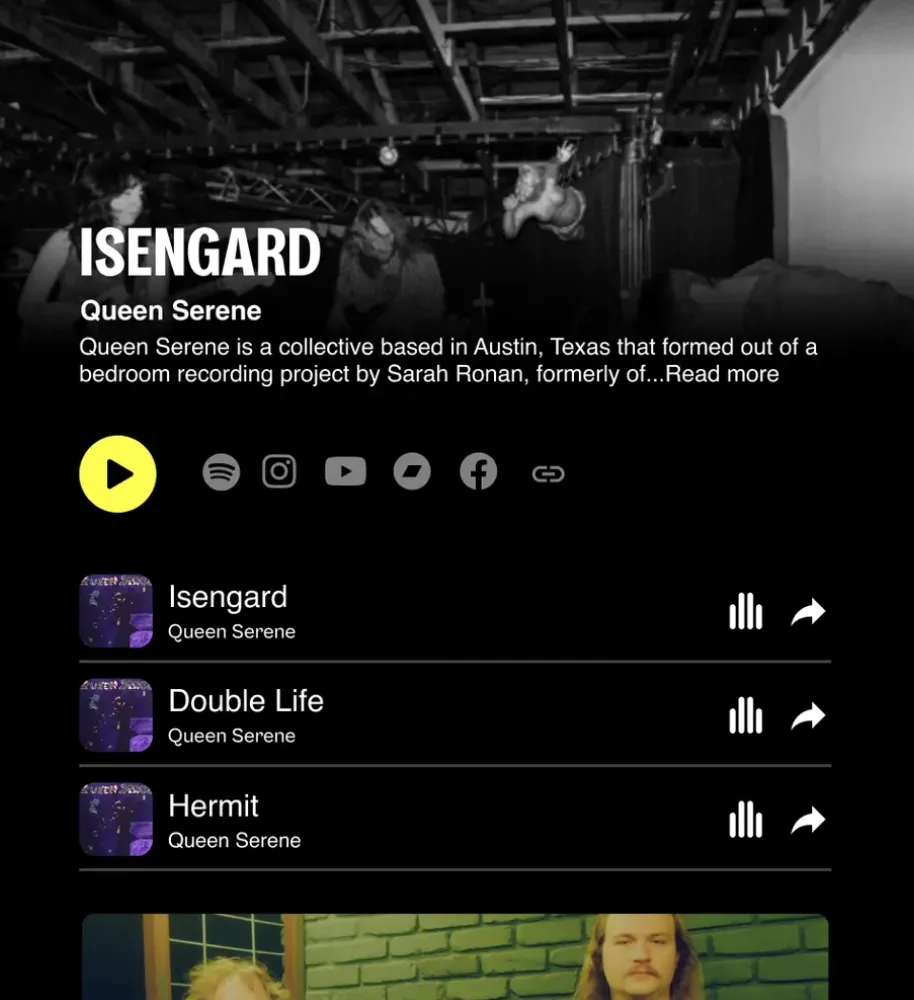
Supervisors move fast, so a frictionless listen is the difference between a placement and a closed tab. Label every version clearly and keep your contact details inside the file so a buyer never has to hunt for the owner.
How do you personalize a supervisor pitch?
Personalization means naming the specific show and explaining in one line why your track fits that scene. A message that says you watched the supervisor's recent work and have a cue matching its tone reads as a peer, not a spammer. Skip the generic blast to two hundred addresses, because those get deleted unread. Specific reference is what earns the reply.
How do you follow up without spamming?
Following up means one polite nudge after a reasonable window, then space, because persistence shows you are serious while noise gets you blocked. If a supervisor asked for more tracks, send those and nothing else. If they went quiet, a single check in a few weeks is enough. The artists who get repeat placements are the ones supervisors trust to stay professional under pressure.
How do you actually license both rights once a supervisor says yes?
A yes from a supervisor means the paperwork starts now. Here's the order it actually happens in.
- Confirm what rights the deal needs: Most placements want both the composition and the recording, so check with the supervisor before you draft anything. If you wrote and recorded the track yourself, you can offer both from one signature.
- Get a second pair of eyes on the contract if the deal is big or the terms are unclear: The moment someone hands you a contract is the moment to bring in a lawyer or publisher administrator. While terms lock in the second you sign. A flat fee for a straightforward review runs a few hundred to around fifteen hundred dollars. Bigger deals, a publishing deal or a catalog sale, tend to move to a percentage instead, commonly landing somewhere in the mid single digits of the deal's value. Small placement and clean terms is something you can often sign yourself.
- Draft the sync license: This agreement covers the composition, the melody and lyrics, and spells out the rights granted, the term, the territory, and the media it covers, film, TV, an ad campaign, a game. It also sets the fee and any credit you get on screen. When more than one songwriter is attached, a most favored nations clause often shows up, meaning nobody undercuts anybody else on rate.
- Draft the master use license alongside it: This one covers the actual recording, not the composition. It comes from whoever owns that specific audio file, usually you if you self-released the track. A production using your existing recording needs both licenses, because the composition and the recording stay two separate copyrights under the same song.
- Combine both into a one-stop license if you're the sole rights holder: BMI's own guidance calls this an all-in license, one document, one payment, split evenly between the two sides. The industry calls it "one-stop," different name, same deal. You negotiate one fee and sign one agreement, and the supervisor never has to chase a second signature.
- Sign and collect your upfront fee: This is the headline payment, the one most artists picture when they picture a sync deal.
- Ask for a copy of the cue sheet once the placement airs: A cue sheet logs every piece of music used in the show or ad, the title, composer, publisher, PRO, and how each cue gets used, as background, source, or theme music. The production company files it, not you, so check that your name and split are listed right.
- Let ASCAP or BMI calculate and pay your performance royalty: They combine that cue sheet with their own broadcast data to send you a check every time the placement airs or streams again, on top of the upfront fee you already collected.
What mistakes kill your sync chances?
The mistakes that kill sync chances are practical and repeatable, and almost all of them happen before a supervisor listens. Uncleared samples, missing versions, weak metadata, and no audience signal each take you out of the running quietly. The fix in every case is preparation plus proof that real people already listen.
Which preparation mistakes block placements?
Preparation mistakes include uncleared samples, no instrumental or stems, weak metadata, and no PRO registration. A sample you cannot clear stalls a deal the day a brief arrives. Missing an instrumental version loses you a scene that needed music without vocals. Skipping PRO registration means the backend royalties have nowhere to land. Each one is a silent rejection you never hear.
Which outreach mistakes get you ignored?
Outreach mistakes include generic spam blasts and careless exclusivity sign-aways. A mass email with no specific reference goes straight to trash, because supervisors protect their inboxes. Signing exclusivity on a track you later want to pitch elsewhere locks your own catalog against you. Both mistakes cost you more than they save, and both are easy to avoid with a little discipline.
Why does zero audience signal hurt you?
Zero audience signal hurts because supervisors and libraries pass on music that looks untested, even when it is strong. A track with no streams reads as a risk, and buyers default to catalogs that already move people. Momentum is not vanity, it is proof. Grow the audience first, and the pitch lands on a warmer table.
Frequently asked questions
How do you get your music placed in TV and film?
You prepare sync-ready tracks, join libraries or marketplaces, and pitch supervisors or agents who license the two rights. Own both copyrights so you can clear a deal in one negotiation, and grow listener signal so your catalog looks alive before a buyer hears it.
How much does a sync placement pay?
Fees run from $500 for an indie web series to well past $2,000,000 for a Super Bowl-tier national ad, with streaming TV at $3,000 to $50,000 and network drama at $10,000 to $75,000 plus. You are paid an upfront fee and then backend performance royalties through your PRO.
Do I need instrumental versions for sync?
Yes. Supervisors license instrumentals and stems depending on the scene, so a track with no alternate versions loses placements it could have won. Build those files before you pitch, not after a brief arrives.
Do I need a sync agent?
No, but an agent helps. Agents pitch directly to supervisors, see non-public briefs, and typically keep 15 to 50 percent of the fee, with 20 to 30 percent being the most common cut. You can start through open libraries and marketplaces, then add an agent once your catalog is organized and proven.
What is the difference between a sync license and a master license?
The sync license covers the composition, the melody and lyrics, and belongs to the songwriter. The master license covers the recording, the audio file, and belongs to whoever owns it. Most placements require both, which is why owning your publishing and your master gives you an edge.
How long does it take to get a sync placement?
It varies. Some artists land a placement quickly, while others wait months or years, because fit, timing, and project needs decide everything. Treat sync as a long game built on a prepared, searchable catalog rather than a fast win.
Can independent artists get sync deals?
Yes. Independent artists secure placements through libraries, marketplaces, and direct supervisor submissions without a publisher. Owning your rights and keeping your catalog sync-ready is what makes a deal possible on your own terms.
What music licensing companies are best for independent artists?
As of 2026, an open marketplace like Songtradr suits most indies, while curated libraries like Musicbed, Marmoset, and Artlist fit cinematic or distinctive sounds. Compare fee splits and exclusivity terms before you join any of them.
How do I make my music sync-ready?
Make it sync-ready with a broadcast master, an instrumental, stems, a clean edit, zero uncleared samples, and accurate metadata. Register with ASCAP for a $50 one-time fee or BMI for free so your performance royalties are collectible from the first placement.
Do I need a PRO to collect sync royalties?
Yes, for the backend. The upfront fee is negotiated directly, but performance royalties from airplay and streams are collected by a PRO such as ASCAP or BMI. In the US, ASCAP charges a one-time $50 and BMI is free, and both pay the songwriter when the content plays.
Final thoughts
You don't need a label to get placed. Prepared tracks, the right doors, and listener signal that proves your music already connects are what carry the win. The artists winning sync treat it like a craft, built on a system they can repeat.
Start with the sync-ready checklist, join one marketplace that fits your sound, and grow your audience on purpose. A supervisor wants proof the music works, and momentum is how you hand them that proof before the pitch.

Founder & CEO at SoundCampaign
I'm Nadav. I made music before I built any of this, and that's really where the interest in marketing came from. The analytics side is the part I like most: where streams come from, what moved, and what didn't. I founded SoundCampaign to give artists exposure that's actually real. It took far more time and effort than I planned for, and that part hasn't changed much.
Promote your music
Real playlist placements, TikTok videos & Meta ads

Trusted by 100,000+ artists & labels
No bots, ever.
Real case study
How SoundCampaign Put Grant Knoche in Front of 460,587 Listeners for WOOHOO
Read the full story
Ready to get your music heard?
Join thousands of independent artists using SoundCampaign to reach real playlists, creators, and fans, with honest feedback every step of the way.
- No bots, ever
- Artist Protection ProgramIf a curator or creator doesn’t review your track, we credit you back. Your budget is always protected.
- Keep 100% of your royaltiesWe’re a promotion service, not a label. We never take a cut of your streams or royalties.