Promotion Musicale
How to Get on Discover Weekly (8 Tactics That Actually Work)

Nadav Peleg
Mis à jour · 18 min de lecture
You think luck or talent can get you on Discover Weekly? Wrong! Keep reading, you'll find out how to get on Discover Weekly in a completely different way.


On this page
- How the Discover Weekly Algorithm Really Works
- #1 - Choose a Track with High Replay Value
- #2 - Master Your Metadata & Pre‑Release Setup
- #3 - Trigger Algorithmic Signals in the First 72 Hours
- #4 - Use Social Media & Short‑form Video for Discovery
- #5 - Build Your Own Playlist Ecosystem
- #6 - Collaborate Smartly with Artists & Curators
- #7 - Stay Consistent (Not Just Loud)
- #8 - Analyse Your Stats Like a Detective
- Bonus Resources & Further Reading
- Final Thoughts & Next Steps
Over 100 billion tracks have been streamed on Discover Weekly in the past decade.
Every Monday, Spotify drops a fresh Discover Weekly playlist filled with 30 songs listeners are sure to love.
Each week, this algorithmic playlist sparks more than 56 million new artist discoveries, with 77 percent coming from emerging artists.
Landing there isn’t just luck.
As an artist myself, I know that we have to wear many hats to make it work. For instance, you gotta be a master strategist, data analyst, creative genius, etc.
Why? Because getting featured means new ears, fans, and maybe your next big break.
If you give me ~15 minutes of your time, I'll break down 8 real tactics that will help you get noticed, backed by numbers, examples, and proof that actually matters.
How the Discover Weekly Algorithm Really Works
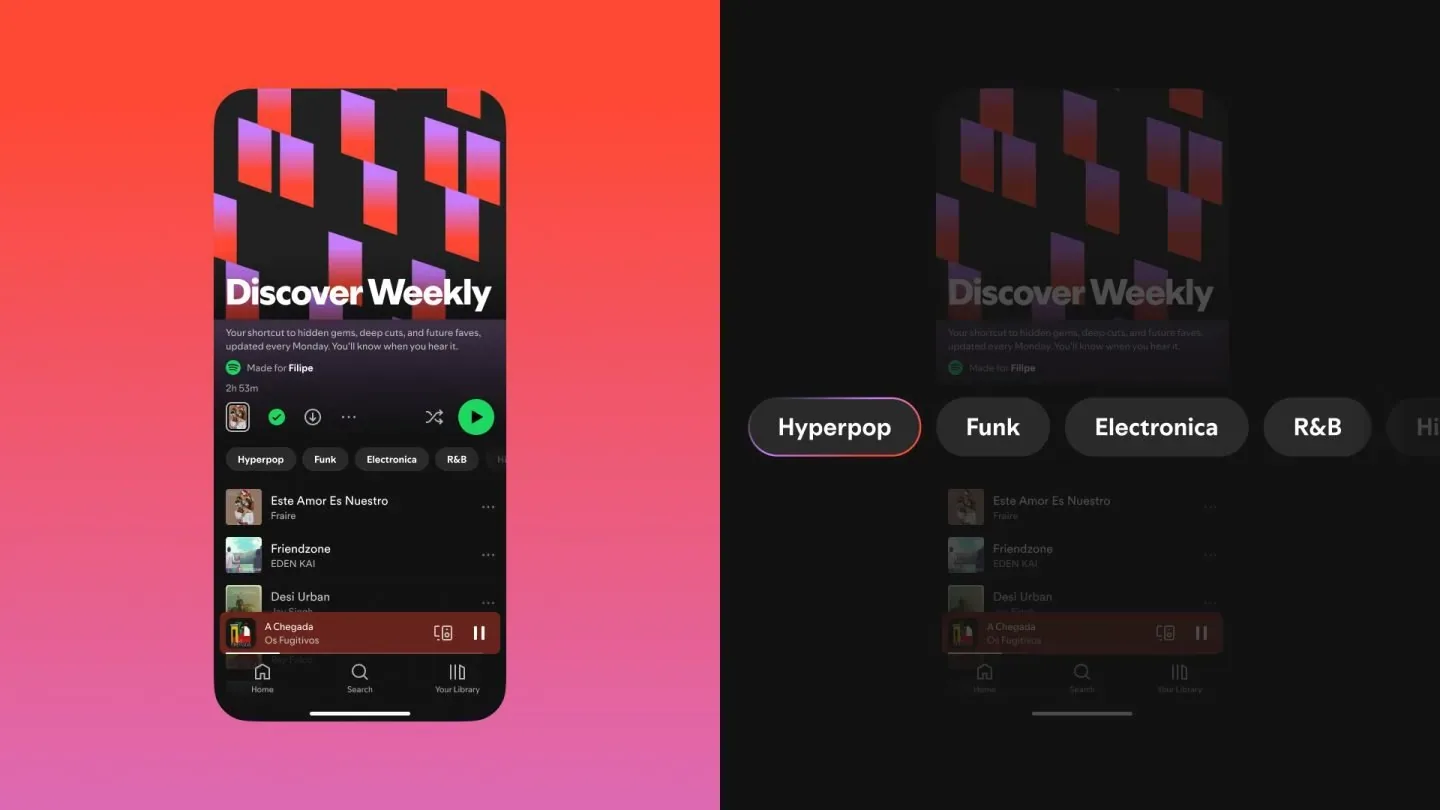
Think of Spotify’s Discover Weekly algorithm as a super smart friend who knows what you’ll love before you do.
It combines three systems:
- Collaborative filtering: Compares your listening habits with millions of others to find songs you’ll likely enjoy.
- Audio analysis: Scans each track’s tempo, mood, and vibe to spot hidden connections.
- User behavior: Learns from what you skip, save, or replay to fine-tune recommendations every week.
And as this Reddit user experienced it, the new Discover Weekly update now allows you to add more genres and playlists than before. In other words, the more you explore, the more Spotify learns your taste. There’s virtually no limit to how much new music you can discover.
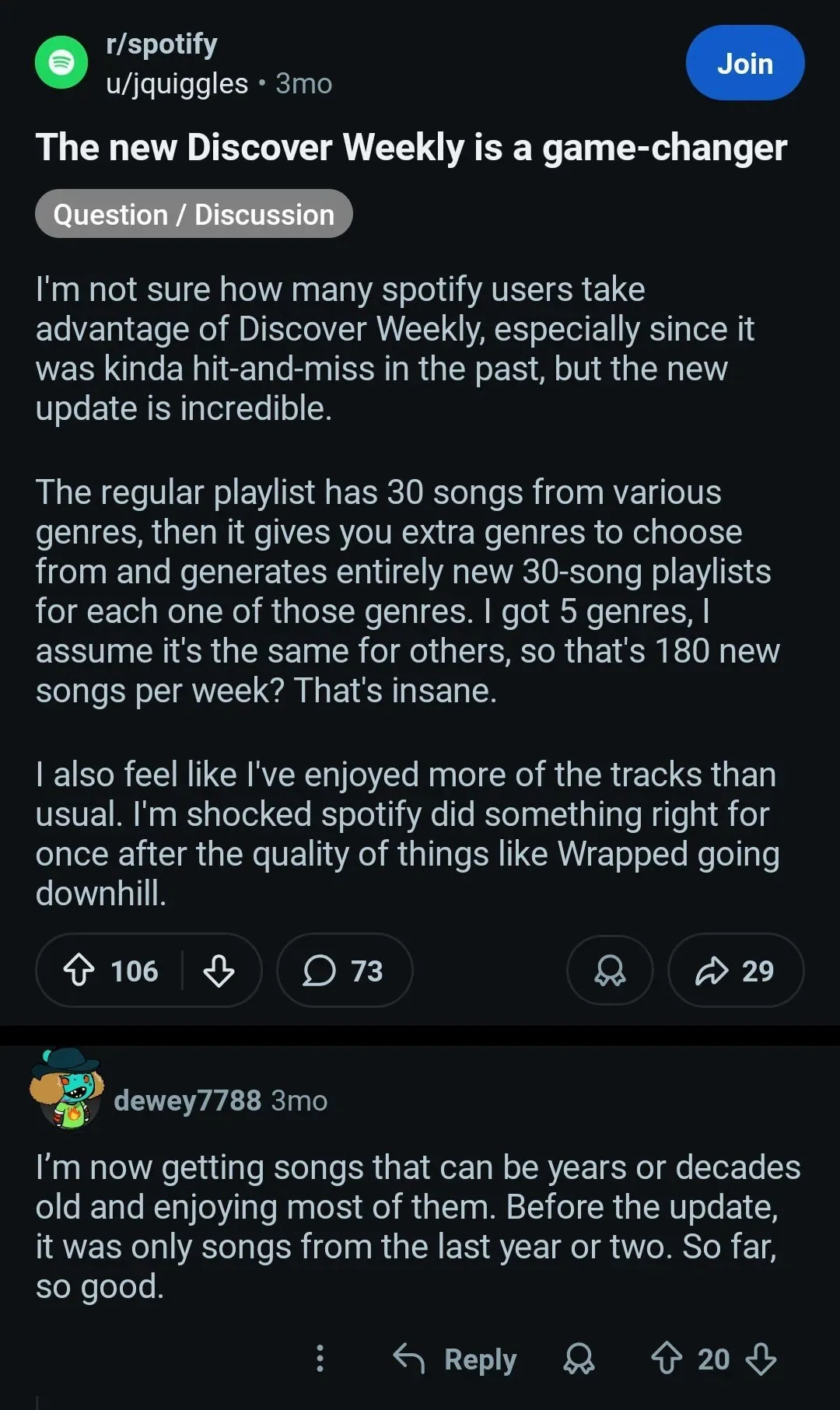
The key metrics that count are:
- Listens: Streams (especially from unique listeners, not just repeats).
- Saves: When people hit save, Spotify calls it a “super-like.” This is a HUGE deal.
- Adds to playlists: If you see your fans placing your songs in community playlists, the algorithm sees those connections as a signal of quality.
- Completion rate: The percentage of people listening all the way. High rates mean your song grabs and delivers. Skips, especially in the first 30 seconds, are bad news for your algorithmic chances.
Based on our research, time and again we have seen that you need 10,000+ streams, 4,000+ listeners and 400+ saves within the last 28 days to get your song on Discover Weekly.
Still, don't take that as something set in stone as it's different for every artist.
Spotify watches early stats intensely, so the first 72 hours after release can make or break your chances.
Pro tip for indie artists: Don’t just focus on landing in the big playlists. Smaller, curated, and user-generated playlists can be just as powerful for growth
Here's an example of such a playlist with 112K+ saves:
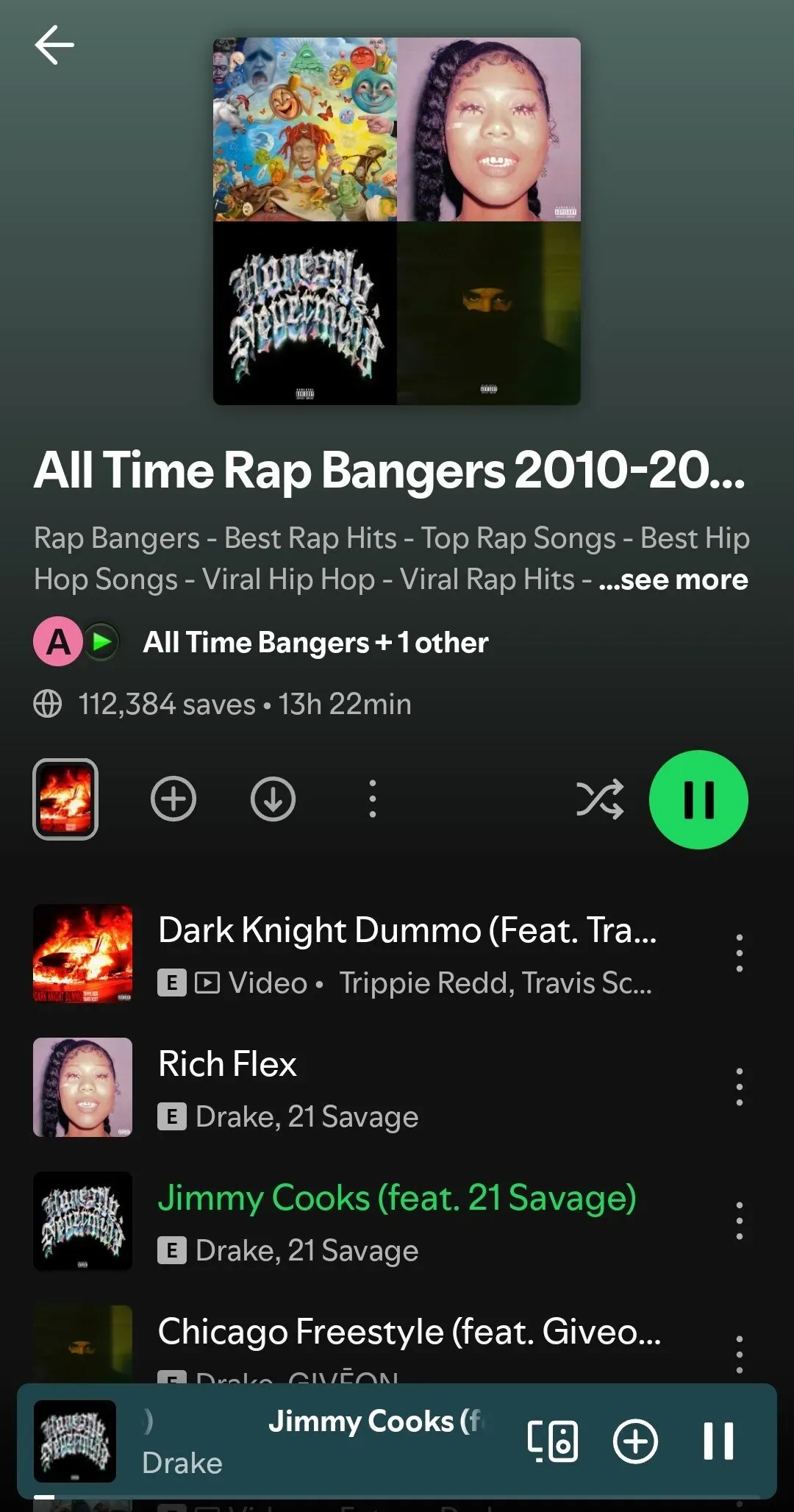
The algorithm looks for songs that pop up in a variety of “fan-made” lists, which help maintain your algorithm score. Achieving a Popularity Index score of at least 20 is essential, with some suggesting a threshold of 30.
#1 - Choose a Track with High Replay Value
Let's start by defining some key terms:
- “Replay value” means your song gets played again and again, not just once.
- “Completion rate” is how often people listen to your track all the way through.
Spotify loves both.
Why does this matter? The algorithm rewards repeat listens and full plays. When lots of people finish your song and some replay it, Spotify sees it as a strong signal that your track connects with listeners.
Now let’s talk about skip rate. If you’ve ever skipped a song before it ended, you know what that means. It happens all the time, even with your own tracks. A below 35% skip rate is decent, but above 50% may get your songs pulled from algorithmic playlists.
Here’s how to lower your skip rate:
- Grab attention in the first 5-10 seconds: Start with a catchy melody, strong vocals, or an attention-grabbing sound. Avoid long intros unless your genre calls for it.
- Use strong cover art and titles: Misleading or boring visuals can lead to skips before people even hit play.
- Stay consistent: Don’t switch styles or moods too drastically from what your listeners expect.
- Promote in the right places: Share your track where listeners are likely to pay attention, like fan pages or curated playlists, which is better than random cold pitching.
- Use your data: Check Spotify for Artists to find tracks with high skip rates. Run beta-listening sessions to see who keeps your song spinning. Running pre-save campaigns can also boost first-day streams and help identify early fans. If too many people skip, adjust your intro and test again.
Use this quick checklist to test your track’s repeat value:
✅ Does your hook hit within 10 seconds?
✅ Do listeners naturally want to replay it?
✅ Is your skip rate below 35%?
✅ Do pre-save stats show early excitement?
✅ Are beta listeners finishing the full song?
If you can tick all or most of these boxes, then you’re on the right track.
#2 - Master Your Metadata & Pre‑Release Setup
Imagine putting the wrong address on a package and it gets lost. That's what's incorrect metadata does to your music.
Metadata is the info that describes your song, like the title, artist name, genre, release date, and mood tags. In short, metadata tells the Spotify algorithm what your song is, who made it, and where it belongs.
Mess it up, and your song confuses the “taste graph,” reducing its chances of getting recommended.
Best practices:
- Upload early (7–10 days before release)
- Find the primary genre of your track and then set it the right way (choose main style, e.g., “Indie Rock”)
- Add one or two relevant sub-genres (e.g., “Dream Pop,” “Alternative”)
- Choose mood tags that fit the vibe (e.g., “Chill,” “Energetic”)
- Avoid overly broad or conflicting genres
- Use consistent naming and spelling to improve algorithm recognition
Here's a handy metadata tag compression template you can copy:
|
Field |
Example |
Notes |
|---|---|---|
|
Genre |
Indie Rock |
Primary musical style |
|
Sub-genre 1 |
Dream Pop |
Adds flavor, niche connection |
|
Sub-genre 2 |
Alternative |
Secondary audience targeting |
|
Mood |
Chill |
Sets emotional context |
|
Mood (alt) |
Melancholic |
Optional mood flavor |
Your metadata needs to be accurate when pitching through Spotify for Artists. It’s what helps Spotify match your track with the right listeners and playlists.
According to Spotify, approximately 20% of tracks pitched through 'Spotify for Artists' are placed on at least one playlist, which means you need to pitch like a pro for your song.
Be clear and specific when describing your song. You're not Shakespeare, no need for paragraphs. Also, editors don't have that much time and energy to go through everything patiently. So, be quick!
Here Are a Few Spotify Pitch Templates You Can Tweak for Your Track:
Indie Pop
For fans of Clairo, Dayglow, and the 1975.
Perfect for that “main character moment” kind of day. With dreamy synths, catchy hooks, and lyrics about finding your place, this song captures that mix of nostalgia and optimism that hits just right.
Alternative / Rock For fans of Arctic Monkeys, The Killers, and Cage the Elephant.
Perfect for road trips or loud, carefree nights. Gritty guitars and punchy drums drive this track, while the lyrics dive into the thrill and chaos of chasing something you love.
Chill R&B / Neo-Soul For fans of SZA, H.E.R., and Daniel Caesar.
Perfect for late-night drives, quiet moments, and slow Sundays. This track blends smooth vocals with warm guitar loops and mellow percussion to create a relaxed, emotional vibe. It’s all about reflection, self-love, and peace after chaos.
Also check out these real-world pitch examples that worked!
#3 - Trigger Algorithmic Signals in the First 72 Hours
The first 72 hours after your release drops on Spotify? That’s your golden window.
Spotify considers this the “critical launch window.” In these early hours, the algorithm takes a close look at your track’s stats.
It’s checking for heat. Are listeners playing all the way through? Are they saving it? Are they adding you to their playlists?
If those numbers look good, Spotify gets the signal: “This song’s hot.” That’s when you’ve got a real shot at landing on algorithmic playlists like Discover Weekly.
The key signals that the algorithm loves are:
- Completion rate: The percent finishing your track (aim for over 50%).
- Saves: How many listeners hit save (try for 30+ saves right out of the gate).
- Playlist adds: How many people drop your track onto their own playlists; user-generated playlist adds really help.
- Low skip rate: Keep it engaging. A skip means your momentum takes a hit.
The goal isn't just plays, it's genuine engagement. Quality > quantity.
Random traffic or click farms might boost numbers, but they won’t help you hit playlists. Spotify can spot if listeners aren’t legit. Their antibot system is quite effective, especially for smaller artists.
In fact, rapper RBX has filed a class action lawsuit against Spotify alleging the streaming service “turns a blind eye to fraudulent streaming,” including bot activity, to artificially inflate the streaming platform’s user base.
The lawsuit singles out Drake, claiming that some of his songs have garnered “more than a hundred million streams” from “areas with zero residential addresses and that some were generated by apparent bots that “moved unreasonable locations between songs.”
So, there's no trick. You have to Reach real fans who want to listen all the way through, save, and share. At least 30 saves in the first 72 hours signals serious momentum.
How do you boost real engagement in those early days?
- Drop social posts with a teaser video or snippet before launch
- Work with micro-influencers who actually like your genre
- Target your audience with direct playlist pitching
- Announce via email and to your Discord or Telegram group if you have one
A case study: An indie pop campaign used socials and micro-influencers, paired it with well-targeted playlist pitches, and sparked 7,000 streams plus a 10%+ save rate in just 3 days. That campaign triggered an algorithmic boost, pushing the song into Discover Weekly in its first week.
#4 - Use Social Media & Short‑form Video for Discovery
Does it ever feel like you can’t escape a song on social media? Think about 'Not Like Us' and how it exploded on TikTok earlier this year. That rap feud got so wild that Drake even sued, claiming Universal Music boosted Kendrick Lamar’s diss track unfairly.
Fair enough. Even I wouldn't want a diss song about me floating around that won 5 Grammys and became a Super Bowl anthem.
Or take the Jerusalema Challenge during the COVID-19 lockdowns. Everyone was doing it. That South African track by Master KG and Nomcebo Zikode became a worldwide hit thanks to TikTok.
Social media and short-form video are total game changers for music discovery. TikTok and Instagram Reels are now launchpads for new artists.
Why do these platforms matter so much? Simple. They help more people spot your song and send traffic straight to Spotify.
And guess what? The Spotify algorithm pays a lot of attention when fans come from outside, meaning if you bring folks from TikTok or Insta, your track looks way hotter to Spotify’s system. More saves and replays build algorithmic momentum, which helps your track land on playlists like Discover Weekly.
And this can work for anyone, not just big artists with millions of followers. And it all starts with getting people hooked.
"We're goin' up, up, up, it's our moment / You know together we're glowing / Gonna be, gonna be golden."

Yeah, that's Golden from the record-breaking movie KPop Demon Hunters, and if you’re already humming it, you’re not alone. So what made this one of the most instantly recognizable hooks in recent years? A fun beat, catchy lyrics and everyone wants to sing the high part. The perfect storm for instant earworm status.
So how can you also pick the right 5–10 second hook? Think what part of your song makes people say, “Whoa!”
It could be a killer drop, a beat switch, or a bold lyric that gets stuck in your head. The best hooks usually hit within the first 3 seconds. That’s all the time you have before someone switches to another song.
Here's a mini hook test plan for social media:
- Cut three different clips from your track: the drop, the chorus, and a fun bar
- Post each on TikTok and Instagram Reels for 3 days
- Track which gets the most comments and repeat views
- Share Spotify links under each video
- Check your Spotify for Artists dashboard to see which days get mini spikes in streams and saves
- Rinse and repeat with different clips till you find your golden hook
When you want to grab attention online, think in terms of curiosity and relevance. Try openers like: “I bet you didn’t know…” or “Stop scrolling if you…” These lines make people pause, feel included, and make them want to listen you more.
And you don’t always have to talk about music on social media. Focus on real fan engagement instead. Show your personality and make followers feel like friends so they connect more with your music. That's what indie pop artist mxmtoon does on Instagram reels!
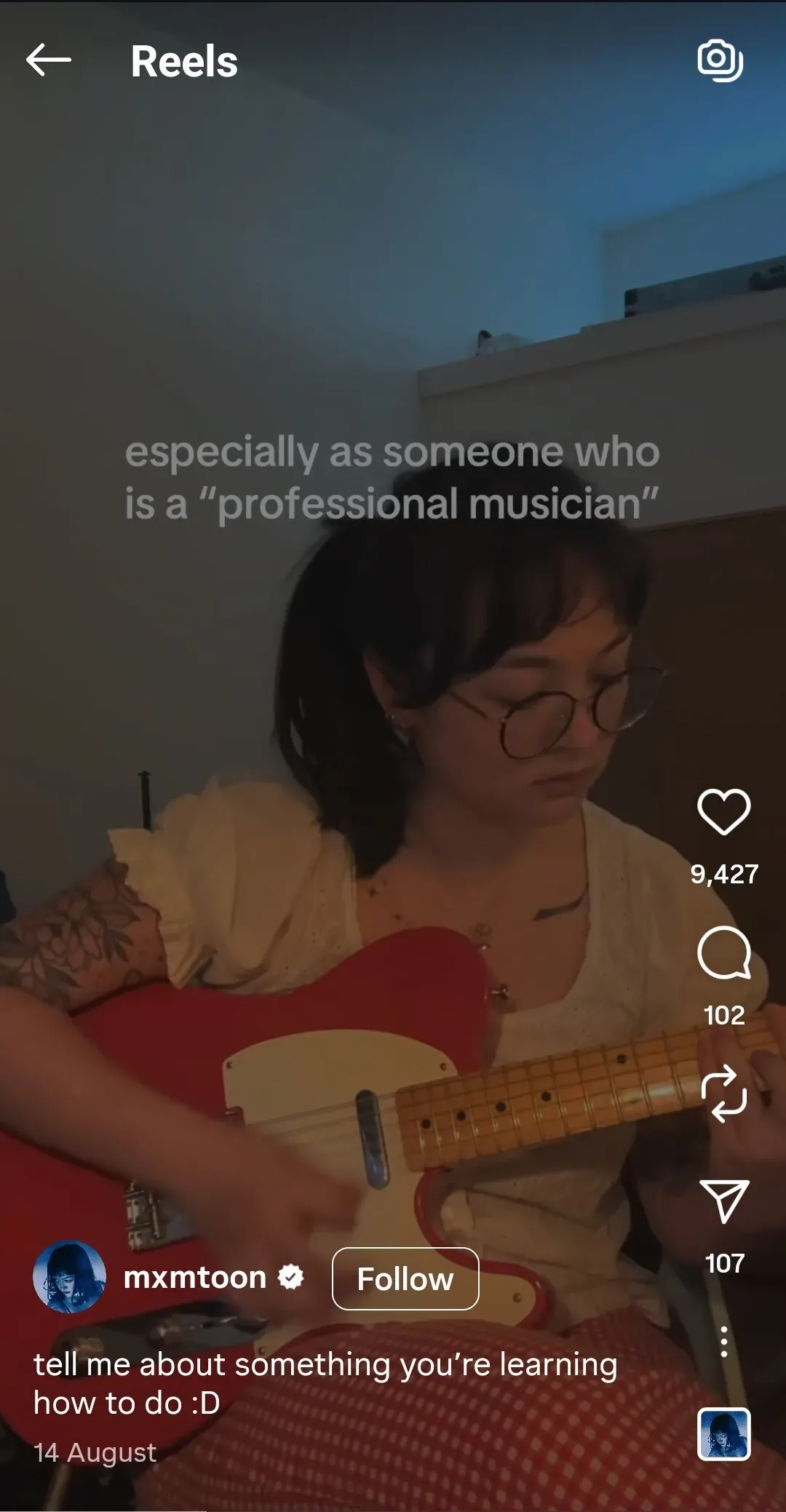
And if you're struggling with connecting with fans, you can also leverage SoundCampaign's TikTok promotion services.
#5 - Build Your Own Playlist Ecosystem
Think of a playlist ecosystem as your tool to show Spotify the bigger picture of your music.
It includes both the playlists you make, and the ones others add your music to. This helps Spotify understand where your sound fits and who might like it.
How do the playlists compare?
|
Feature |
Owned Playlists |
Others' Playlists |
|---|---|---|
|
Curator Control |
Full control on themes and tracks |
No control, depends on users |
|
Audience |
Your followers and networks |
Potentially new, wider audiences |
|
Impact on Algorithm |
Steady but limited growth |
High impact for discovery |
|
Update Frequency |
Regular, planned updates |
Irregular, user-dependent |
|
Relationship Building |
Direct networking with peers |
Organic through listener adds |
Pro Tip: Start with 5-6 themed playlists to build momentum.
Here’s a 5-step Spotify playlist placement framework that works:
- Choose Themes Around Peers, Not Just Yourself: Don’t make it about only your songs. Curate mixes with artists who share your vibe to build credibility.
- Mix Your Tracks with Popular and Emerging Artists: This balances familiarity with discovery, enticing different listener groups.
- Keep Each Playlist Focused: Stick to clear moods, genres, or activities that match listener intent. Some popular themed playlists that come to mind are Indie Mix and Happy Hits.
- Update Regularly: Fresh content keeps playlists lively and engaging.
- Promote Playlists on Socials: Share your curated playlists to attract followers and encourage saves.
How do you build a sustainable playlist ecosystem?
✅ Start Small: Create five themed playlists with clear moods.
✅ Network: Trade playlist spots with artists who share your sound.
✅ Engage Fans: Ask listeners to add your tracks to their own playlists.
✅ Use Data: Check which playlists drive the most plays and engagement.
✅ Stay Active: Keep updating playlists with fresh tracks.
With time, your playlist ecosystem becomes a natural way to grow streams and connect with listeners who really vibe to your music.
#6 - Collaborate Smartly with Artists & Curators
One of the smartest strategies to get on Spotify DW (Discover Weekly) is collaborating with other artists.
But not just anyone, you need to team up with artists who share your audience and sound. When listeners overlap, Spotify’s algorithm takes notice and starts recommending your music to similar fans.
So the point is: If you work with an artist whose fans vibe with your sound, even 10-15 new listeners can significantly impact your algorithm data.
Try these collaboration strategies for Better Results
- Artist Features: Record songs together and feature each other. Both of you reach new listeners and gain playlist traction.
- Playlist Swaps: Add each other’s tracks to your playlists. It’s a simple way to share audiences and build credibility.
- Content Collabs: Tag, share, and do joint live streams. Show your connection and keep fans engaged on social media.
Don’t just grind alone, get into the “micro scene” mindset. Instead of fighting for every listener solo, build a community of like-minded artists.
Indie-pop artists Transviolet and Lowen did exactly this. By featuring each other’s music and promoting together, Transviolet’s monthly streams rose 20% in two months, while Lowen’s listeners jumped from 20,000 to 48,000. That's a 110% increase.
A group effort creates synergy, and that’s how artists grow.
#7 - Stay Consistent (Not Just Loud)
There’s no magic number for consistency. It’s all about finding balance.
The algorithm loves a steady rhythm, not a rollercoaster.
Publish too much, your audience might take you for granted. Publish too little, you might get ignored.
Think about the artists you follow.
Do you really enjoy listening to someone who drops new music every third day? Maybe, but after a while, it can feel like too much.
On the flip side, do you enjoy waiting 3 months for a single? If that artist delivers quality that makes it worth the wait. Otherwise, it’s a BIG no!
Most successful artists aim for bi-weekly or twice a month. This frequency strikes a balance. It’s consistent enough to keep the algorithm fed, but not so often that makes the quality suffers.
Here’s a simple 4-week release calendar template you can follow:
|
Week |
Activity |
Notes |
|---|---|---|
|
Week 1 |
Release track + social promo |
Prepare hype on socials, email subscribers |
|
Week 2 |
Collect feedback and engagement data |
Run targeted ads, collaborate with influencers |
|
Week 3 |
Release second track + playlist pitch |
Keep momentum, use early stats to refine strategy |
|
Week 4 |
Engage fans, share behind-the-scenes |
Build community, ask for saves and playlist adds |
Use this promotion checklist per release:
✅ Upload early (7-10 days before release)
✅ Pitch via Spotify for Artists
✅ Use engaging social clips to promote
✅ Activate micro-influencers
✅ Reach out to playlist curators
✅ Run targeted ads to boost initial streams
✅ Encourage fans to save and add to their playlists
✅ Send reminder emails or messages a few days after launch
Spotify rewards artists who keep listeners engaged across multiple tracks, not just those who disappear after one release.
#8 - Analyse Your Stats Like a Detective
You can track these metrics to make sure if your music is actually making your listeners vibe as much as you do.
|
Metric |
What to Watch |
Good Target Range |
|---|---|---|
|
Skip Rate |
Lower is better |
Below 30% |
|
Completion Rate |
Higher is better |
Above 50% |
|
Save Rate |
Higher is better |
Above 5-10% |
|
Listener/Stream Ratio |
Favor newer fans with repeat listeners |
0.3 - 0.5 (depends on niche) |
|
Playlist Adds |
Consistent growth |
Ongoing, track weekly |
If skip rate is high: That means, it’s time to adjust. Fix your intro or get to the point faster. Tweak metadata so it reaches the right audience.
If you're getting low saves: Change your CTA or work on your track’s emotional hook. Encourage saves and playlist adds on social media. Build connection with your fans by sharing stories around the song's creation.
By using Spotify for Artists strategy consistently, you can analyze what works and what doesn’t. It’s like having a cheat sheet for your next drops, so use it wisely to improve your chances with every release.
Bonus Resources & Further Reading
#1 - Andrew Southworth Spotify Algorithm Study
A couple of months ago I came across a video where Andrew breaks down the Spotify algorithm using real data submitted by over 300 musicians.
Working with Mark Schmieder, Andrew helped create a predictive model based on streams, listeners, and saves to reveal what drives visibility.
Andrew also shares how to hit specific popularity index scores. For example, to get on Discover Weekly, you’ll need around 9,200 streams and 4,100 listeners within 28 days.
If you want to understand Spotify’s algorithm and use it to your advantage, this video offers clear, data-backed advice.
#2 - Spotify Discover Weekly: How Machine Learning Finds Your New Music
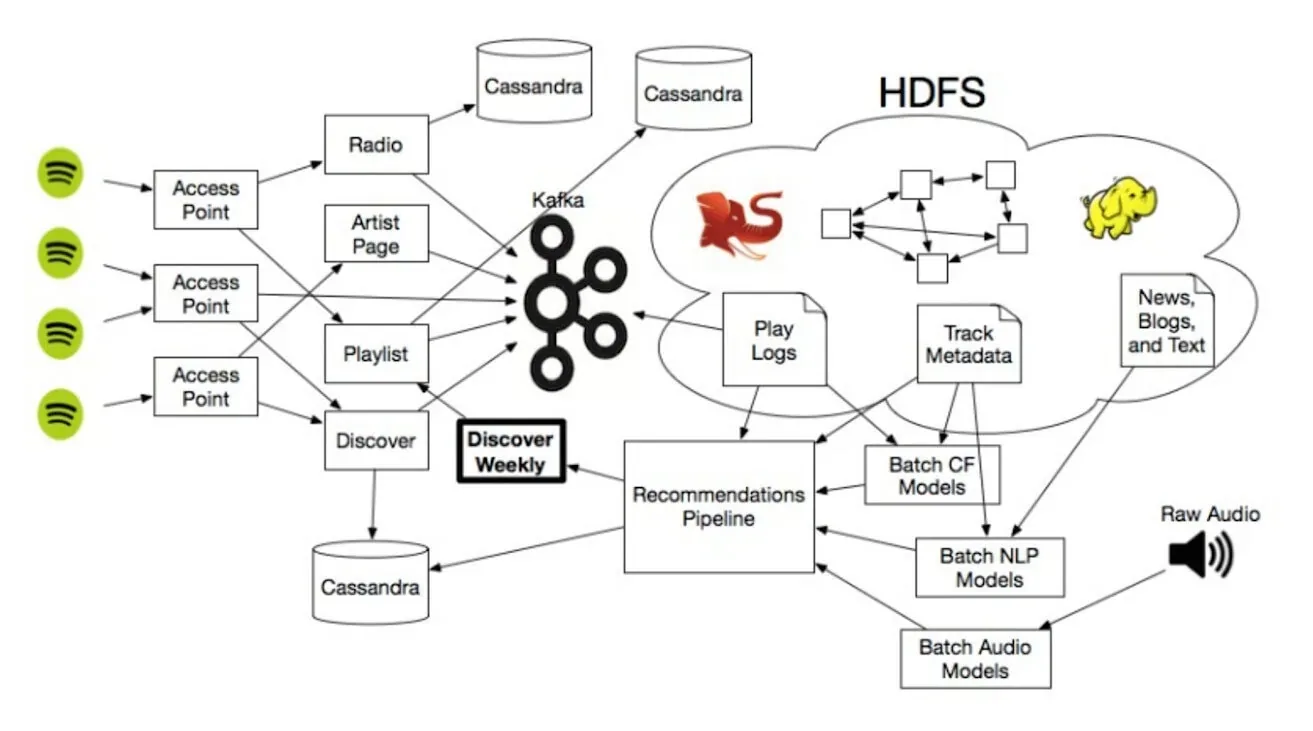
This article explains how Spotify’s popular “Discover Weekly” playlist creates personalized song recommendations using machine learning.
It breaks down Spotify’s approach into 3 main parts:
- Collaborative filtering (analyzing listener behavior to find similar users)
- Natural language processing (studying text data from blogs and articles about music)
- Audio analysis (evaluating the audio content of songs directly using neural networks).
By blending these methods, it explains how Spotify can accurately understand individual music tastes and suggest tracks listeners will love, even if they’ve never heard them before.
#3 – Montreal Ethics Institute Study: How the Music Platform Spotify Collects and Uses Your Data
This study explores how Discover Weekly and Spotify Wrapped work, what data Spotify collects, and how they use that to personalize experiences.
It talks about BART (Spotify’s behind-the-scenes recommendation engine), the 30-second rule, emotional tracking through audio analysis, and even how your listening history gets tied to your online identity.
It also raises some heavy questions:
- Are we giving up too much privacy for personalized playlists?
- Is Spotify reinforcing bias in its music suggestions?
- Are we shaping our self-image based on what Spotify tells us we like?
There’s a lot you can learn from here.
Want more resources?
Take a look at Spotify's recommender system and learn how the Spotify algorithm works. Explore these playlist pitching strategies and nail your metadata and post-release promotion tactics.
Remember: You don’t have to fly solo!
Join real artist communities on Reddit, Discord, and Facebook and actually get involved. Share works-in-progress, trade methods, learn from what’s hitting.
Use Spotify for Artists to track saves, skips, and where listeners bounce.
Then use SoundCampaign to pitch yourself into curated playlists. One shows you what’s happening. The other helps you get into more rooms.
Final Thoughts & Next Steps
Look, I don’t know how great you’re as an artist, but I’ve seen trash ones get 10X streams than actually great ones. Here’s what actually worked for them:
✅ Target 50%+ completion rates as it’s your #1 metric
✅ Focus on those first 72 hours and get 30+ saves from the RIGHT listeners, not random friends
✅ Leverage SoundCampaign to skip the cold outreach hustle as one playlist placement beats 100 random streams
✅ Build your own playlist network to show Spotify where you belong
Remember this: Spotify’s algorithm isn’t mysterious, it’s mathematical.
Don’t just drop music and pray. Drop it with a plan, track your data weekly, and adjust. That’s how you get yourself on Discover Weekly 🙂

Fondateur et PDG de SoundCampaign
Je suis Nadav. Je faisais de la musique avant de construire tout ça, et c'est vraiment de là que vient mon intérêt pour le marketing. Ce que je préfère, c'est la partie analytique : d'où viennent les streams, ce qui a bougé et ce qui n'a pas bougé. J'ai fondé SoundCampaign pour donner aux artistes une exposition réellement authentique. Ça m'a pris bien plus de temps et d'efforts que prévu, et ça n'a pas vraiment changé depuis.
Promouvoir ta musique
Vrais placements en playlist, vidéos TikTok et publicités Meta

La confiance de 100 000+ artistes et labels
Jamais de bots.

Étude de cas réelle
Comment SoundCampaign a mis Grant Knoche devant 460 587 auditeurs pour WOOHOO
Lire l'histoire complète
Prêt à faire entendre ta musique ?
Rejoins des milliers d’artistes indépendants qui utilisent SoundCampaign pour atteindre de vraies playlists, des créateurs et des fans, avec un retour honnête à chaque étape.
- Jamais de bots
- Programme de protection des artistesSi un curateur ou un créateur n’écoute pas ton titre, on te crédite en retour. Ton budget est toujours protégé.
- Garde 100% de tes royaltiesOn est un service de promotion, pas un label. On ne prend jamais de commission sur tes streams ou tes royalties.